


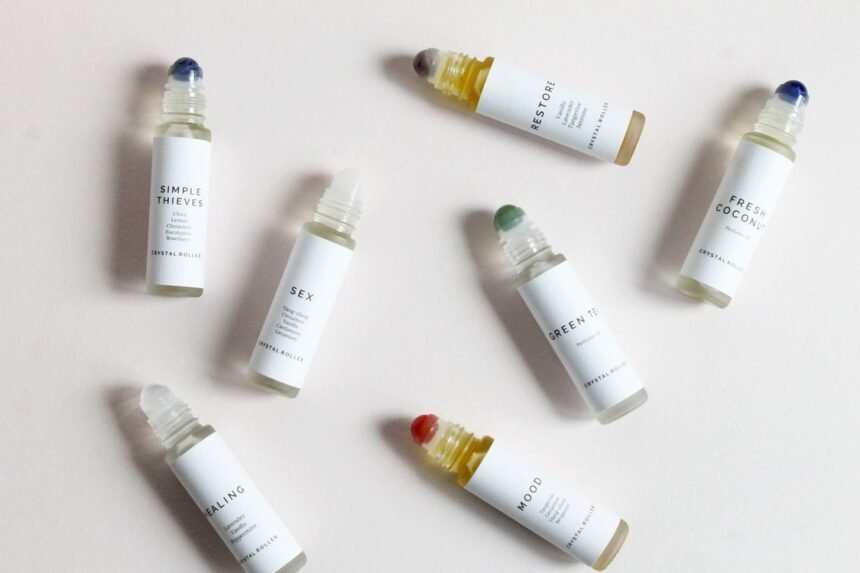
Walk past a perfume counter in 2026 and you’ll notice something has quietly flipped. For years, “signature scent” meant something loud enough to announce itself across a room, an oud, an oriental, a fragrance built to project. This year, the phrase has come to mean the opposite: something so close to your own skin that people only catch it in a hug or a passing conversation. Skin scents haven’t just become popular, they’ve become the organizing idea behind an entire wave of new fragrance launches, and the shift says something real about what people actually want from perfume right now.
What a Skin Scent Actually Is
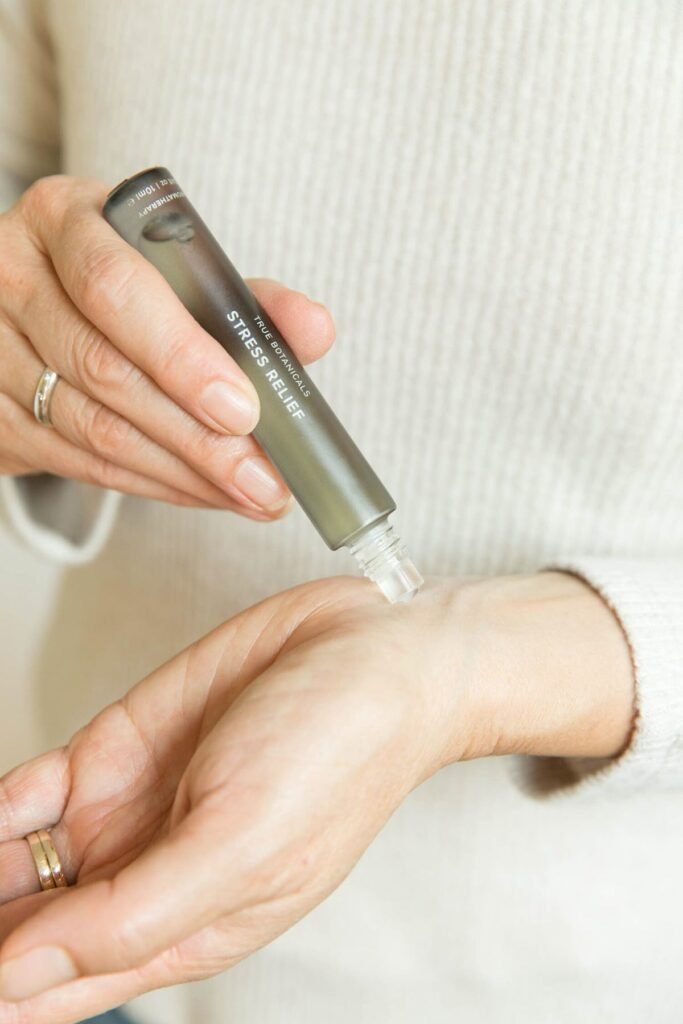
The category is built around musks, ambroxan, and warm, close-wearing bases, ingredients chosen specifically because they interact with individual body chemistry rather than sitting uniformly on top of it. That’s the defining mechanic: the same bottle can smell noticeably different from one person to the next, sweeter here, muskier there, because the fragrance is designed to blend with skin rather than override it. Industry commentary frames this less as a passing trend and more as a genuine values shift, people gravitating toward scents that feel like an extension of themselves rather than something worn on top, a description that captures why the category has resonated well beyond a single viral product.
Glossier’s Fingerprints Are All Over This
It’s worth naming where a lot of this traces back to. Glossier You, launched years ago around the same core promise, a scent that adapts to your skin and smells like “you, but better”, effectively created the template that the current wave of skin-musk perfumes keeps referencing directly. Newer entries are frequently described in relation to it, either as a softer, more personal cousin or as a cooler, more polished, more abstract evolution built around similar musk architecture, ambroxan, Iso E Super, ambrettolide. That lineage matters because it shows this isn’t a sudden 2026 invention, it’s the maturation of an idea that’s been building consumer trust for years before finally becoming the dominant category logic at the counter.
The Trend Is Already Evolving Past Pure Minimalism
Here’s the part worth getting right rather than oversimplifying: the earliest phase of this movement, “clean girl” musks stripped down to near-nothing, is already shifting into something slightly richer. Fragrance experts tracking summer 2026 launches note wearers gravitating toward skin scents with subtle, noticeable touches of sweetness rather than ultra-minimal musk alone, and a related “salted skin” direction has emerged specifically as an evolution of the category, built around ambroxan’s naturally warm, mineral, slightly salty character rather than a literal beach-scent recreation. In other words, “skin scent” isn’t a single fixed formula anymore, it’s become a broader philosophy, intimate, chemistry-responsive, non-projecting, that different launches are now interpreting through gourmand, mineral, or floral lenses rather than sticking to one austere musk template.
Why the Shift Happened Now
Several forces converged to make this the moment skin scents took over rather than staying a niche preference. Gender-neutral fragrance has grown sharply, with the share of new unisex launches nearly doubling in recent years, and skin scents, by design, tend to avoid the traditionally gendered heaviness of classic florals or colognes, making them a natural fit for that shift. Discovery has changed too, fragrance conversation increasingly happens on TikTok and through search rather than at a department store counter, and skin scents translate well to that format specifically because their appeal is personal and experiential rather than a single describable note profile you can summarize in a headline.
Why “Bold” Hasn’t Disappeared, It’s Coexisting
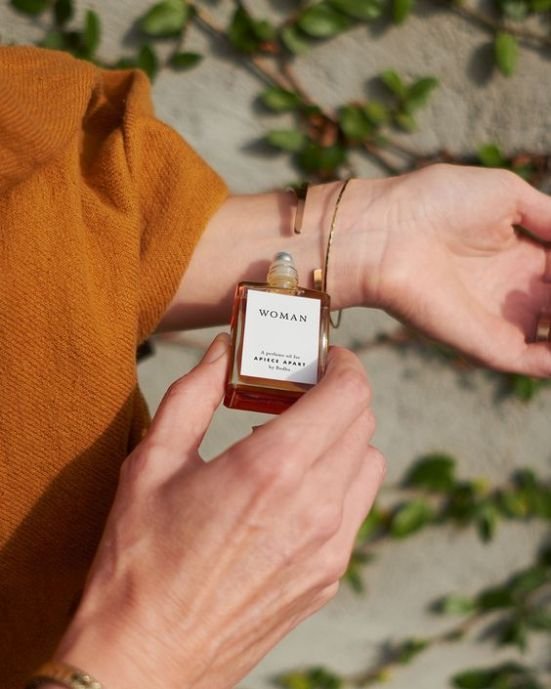
It would be an overstatement to say projecting, statement-heavy fragrances have vanished, 2026’s broader fragrance landscape is described by industry watchers as a genuine tug-of-war between natural and synthetic, quiet and loud, with savory gourmands, hyper-realistic fruit notes, and dramatic modern rose compositions all showing real momentum alongside skin scents rather than being replaced by them. What’s changed is which category now anchors the conversation. Skin scents have become the default reference point other trends get measured against, the quiet centre of gravity even as louder, more maximalist fragrances continue finding their own audience at the same time.
What This Means for Anyone Building a Fragrance Wardrobe
The practical takeaway isn’t that bold perfume is over, it’s that “smells like you” has become a legitimate, dominant category rather than a niche preference for people who dislike fragrance. For anyone shopping in 2026, a well-chosen skin scent, built around musk, ambrette, or ambroxan, offers something a projecting fragrance genuinely can’t: a scent that reads as personality rather than performance, changing subtly with your own chemistry rather than announcing itself the same way on everyone who wears it.