

There is a reason Tonga rarely appears on the same lists as Fiji, Tahiti, or Bora Bora, and it has nothing to do with what the country offers. It has to do with what it refuses to offer: crowds, resort chains, and the polished inevitability of a destination that has been fully discovered. Tonga is the last Polynesian kingdom, the only Pacific nation never colonised by a foreign power, and that unbroken sovereignty has produced something increasingly rare, a place that still moves entirely on its own terms.
A Kingdom That Was Never Taken
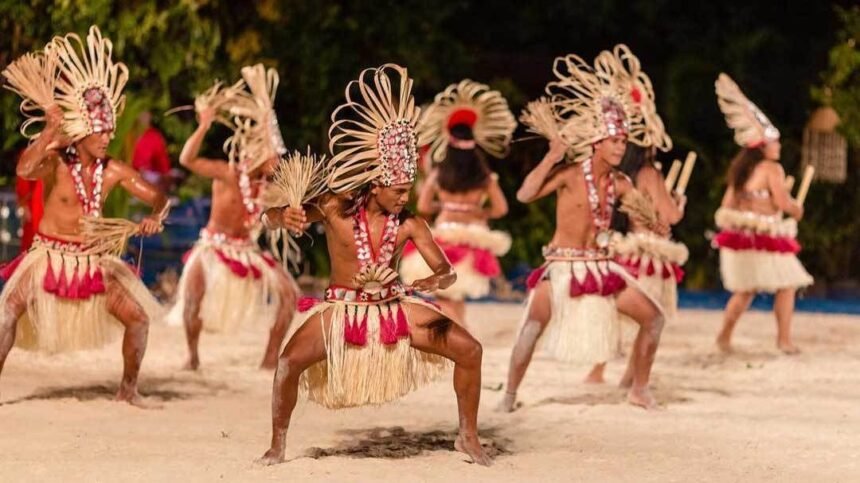
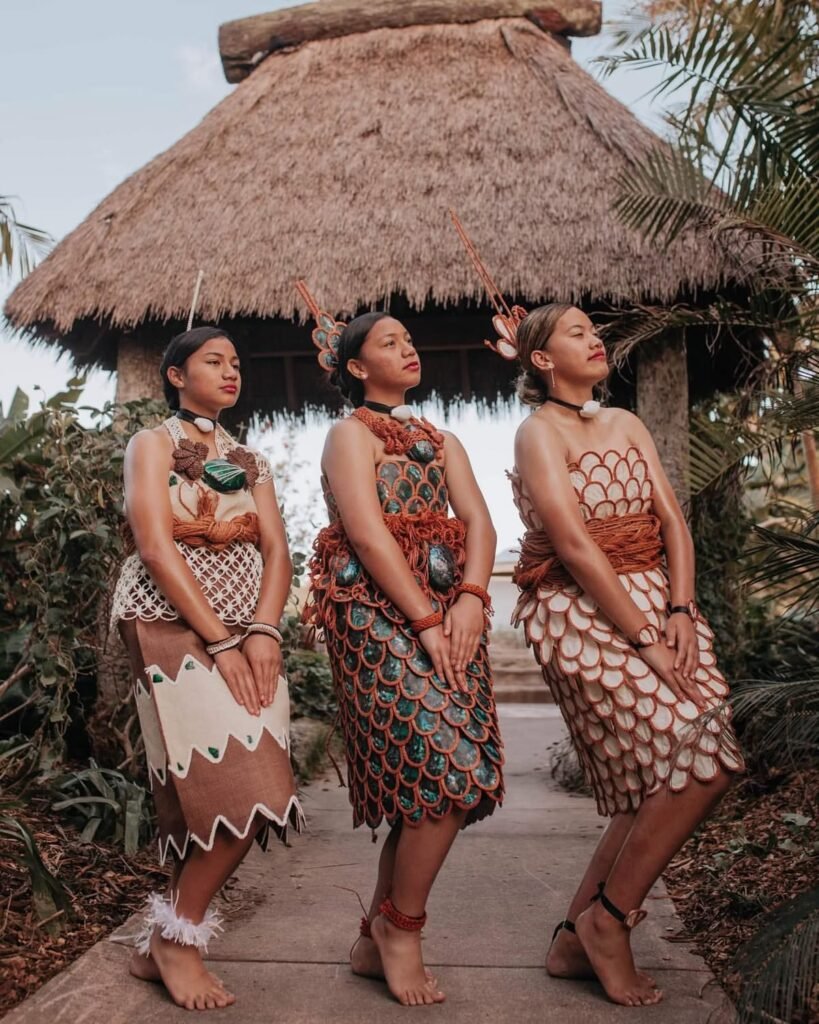
Tonga’s monarchy traces back more than a thousand years, and unlike almost every other island nation in the Pacific, it was never formally colonised, though it did exist as a British-protected state for much of the twentieth century. That distinction matters beyond the history books. It shows up in daily life, in a culture where Sunday remains a strictly observed day of rest by law, where kava ceremonies still carry real social weight rather than performing for tourists, and where the monarchy’s presence is woven into everything from currency to church liturgy. Visitors expecting a generic tropical backdrop instead find a nation with a genuine, unapologetic identity, one that has not been softened for outside consumption.
The Whales Arrive on Schedule
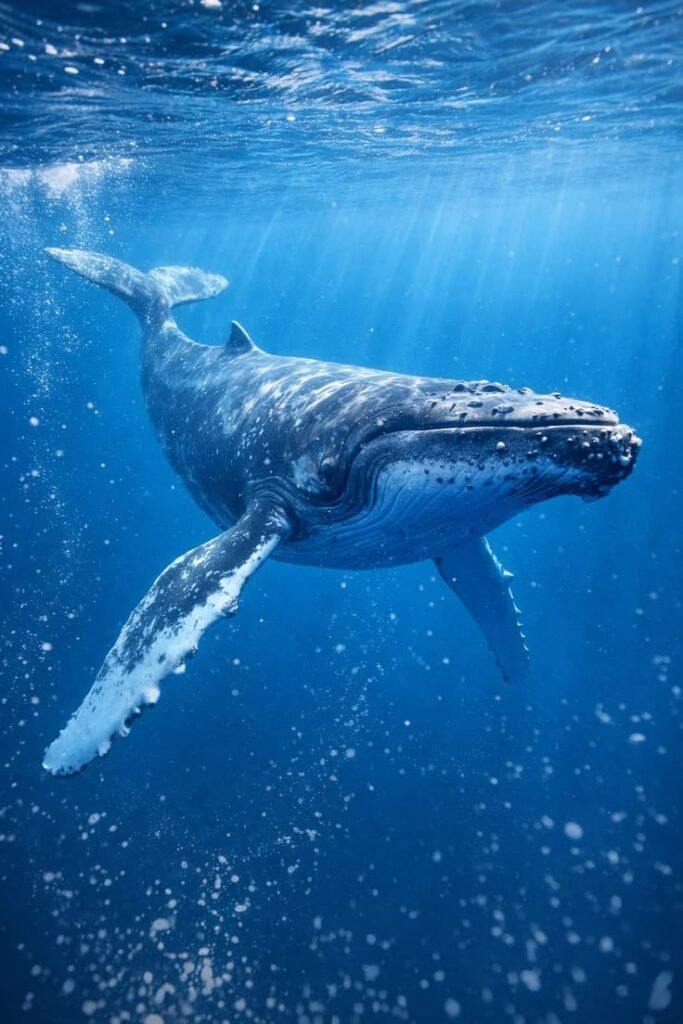
From July through October, humpback whales migrate from Antarctic feeding grounds to Tonga’s warm, sheltered waters to breed and calve, and Vava’u, the country’s northern island group, has become one of the very few places on earth where travellers can legally swim alongside them. This is not a distant boat-based sighting. Licensed operators in Vava’u take small groups into the water, often within metres of a mother and calf, under strict guidelines designed to protect the animals rather than perform for cameras. Tonga remains one of a handful of countries permitting in-water whale encounters at all, a practice banned in most of the world precisely because it demands this level of restraint and regulation. Arriving in July puts travellers at the start of the season, when whales are still settling into the bays and encounters tend to feel unhurried rather than crowded.
Beyond the Whales: A Nation of Scattered Islands
Tonga is not one destination but 169 islands spread across the South Pacific, only 36 of which are inhabited. Tongatapu, the main island, holds the capital Nuku’alofa and the extraordinary Ha’amonga ‘a Maui, a stone trilithon whose astronomical alignment has drawn comparisons to Stonehenge, though its exact purpose remains debated among historians. The Ha’apai group offers some of the most untouched beaches in the Pacific, largely because getting there still requires genuine effort. This is a country built for travellers who want their itinerary shaped by ferry schedules and small planes rather than curated resort transfers, and that friction is, for the right kind of visitor, the entire appeal.
Why Tonga Deserves the Detour
Global travel has increasingly rewarded destinations that photograph well and require little patience. Tonga asks for the opposite. It asks travellers to slow down, to respect a Sunday closure, to enter the water on a whale’s terms rather than their own. In return, it offers something that is disappearing from Pacific travel at large: a nation whose culture, sovereignty, and natural rhythms remain genuinely intact. For those willing to make the journey, July is not just whale season. It is the month Tonga reveals exactly why it never needed to be discovered in the first place.