


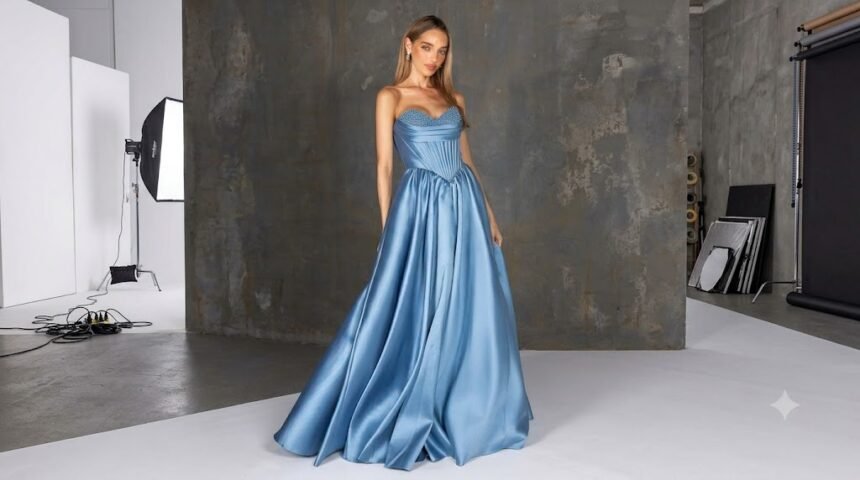
You’ve probably seen it without knowing its name. A fitted bodice that keeps going past where your waist actually is, then dips into a point at the front before the skirt takes over. Once you notice it, it’s hard to stop noticing. That’s the Basque waist, and after a few years of dresses that just hung loosely from the hips, it’s turned up on runways, in bridal shops and on red carpets all at once.
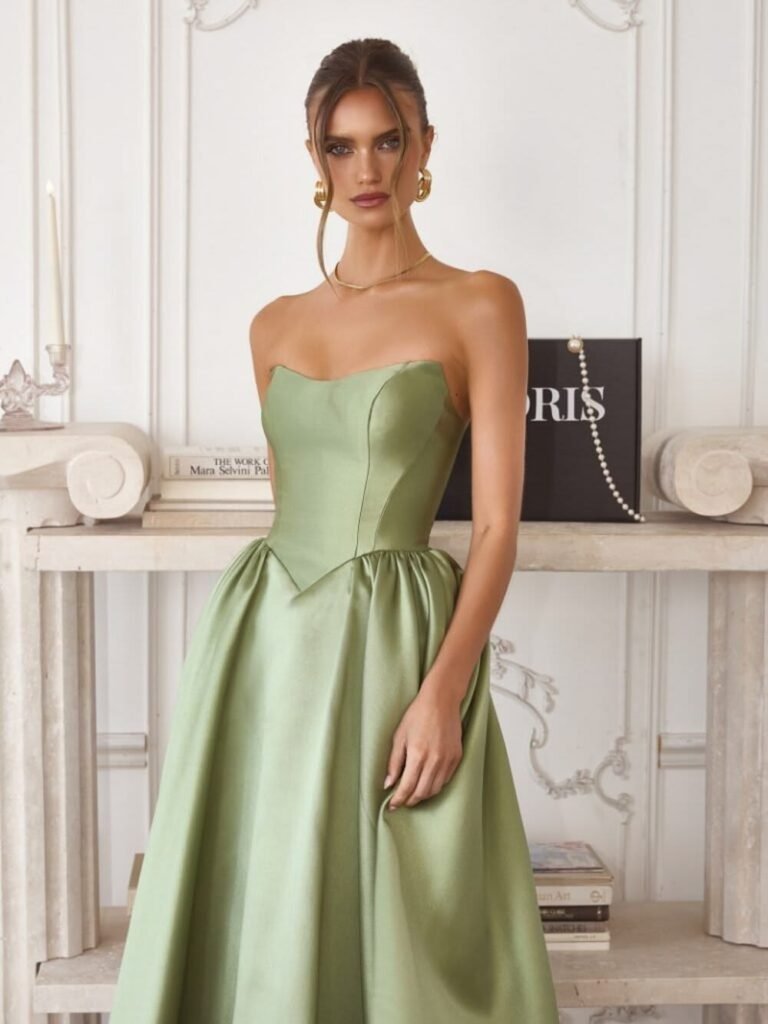
What Makes a Waist “Basque”?
This is where people get tangled, because it sounds a lot like a regular dropped waist. It isn’t. A standard dropped waist circles the lower torso in a straight, horizontal line. A Basque waist continues below the natural waistline and comes to a point, usually a V, sometimes a softer U or rounded curve, over the lower abdomen. The seam between bodice and skirt isn’t level. It slopes down toward the centre, and that one change alters the whole shape of a dress.
Why Now? Blame the Relaxed Years
For several seasons, fashion’s favourite waistline wandered toward the hips, giving us easy minis and floaty maxis. Comfortable, yes, but not exactly sculpted. Fall/Winter 2026 pulled things tighter. One trend report described the idea simply: the waist stays low, but now the dress follows the body before releasing into volume. Stylist Jordan Stolch told Glam the comeback tracks with a broader return to defined, sculptural silhouettes after relaxed shapes reigned for a while, and said designers are pairing the pointed waist with cleaner fabrics and understated proportions so it feels polished rather than retro.
What the Runways Showed
Reporting from the FW26 shows spotted the silhouette at houses including Jacquemus, Saint Laurent, Alaïa and Dior. Saint Laurent put pannier-like volume under fitted black lace columns, while Chanel stayed closer to the general dropped-waist idea. One Paris Fashion Week writer even called the Basque waist the real sleeper trend of the season, partly because it works differently from the peplum craze happening alongside it. A peplum flares outward. A Basque cut pulls the eye downward and lengthens the line through the torso.
It Isn’t Actually New
Worth saying plainly: this shape has a long history. Fashion writers describe it as part corset, part historical reference, and it had a big moment in the 1980s, when it showed up in dramatic wedding gowns and evening wear. Bridal fashion never really let it go, with brides from Kim Kardashian to Alex Cooper choosing basque-waist gowns over the years. What’s different in 2026 is that it has left the wedding aisle. Margot Robbie wore several Basque-waist looks on the Wuthering Heights press tour, and designers are now reworking the shape into day dresses, maxi skirts and corset tops.
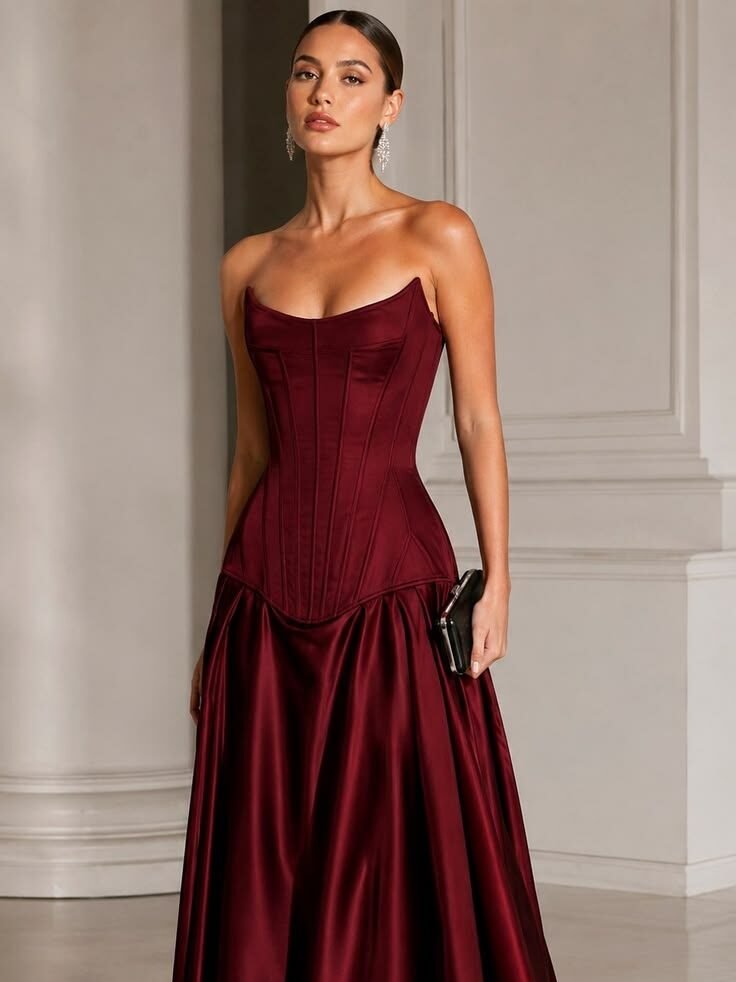
How to Wear It Without Looking Like a Costume
The fitted bodice and flared skirt already make a statement, so keep everything else calm. A simple satin slip-style dress with a Basque seam in a strong colour like emerald or royal blue needs almost nothing added. For something dressier, pair the V waist with a fuller tulle or taffeta skirt for that mix of romance and edge. In daytime, cotton or linen-blend versions in shorter lengths feel relaxed, especially with flats or ankle boots. A cropped jacket or a fitted knit over the top stops it from reading as occasion wear.
A Few Practical Notes on Fit
Because the whole design hinges on one carefully shaped seam, fit matters more here than with most dresses. The point should sit comfortably and the bodice shouldn’t pull or gape. If a dress feels fussy, a good tailor can often adjust the length of the bodice, which is a lot cheaper than buying another dress. Try it sitting down as well as standing, since a pointed seam can behave differently when you move. Stylists often say the V draws the eye downward and creates the illusion of a longer torso, but how any silhouette feels is personal, so go with what you like wearing, not just what the trend says.
The Takeaway
The Basque waist works because it feels both old and new. It has the drama of a historical corset without the stiffness, and it gives a dress structure at a moment when fashion is craving definition again. If you want to try it, start with one dress in a fabric you love and let the seam do the talking.