


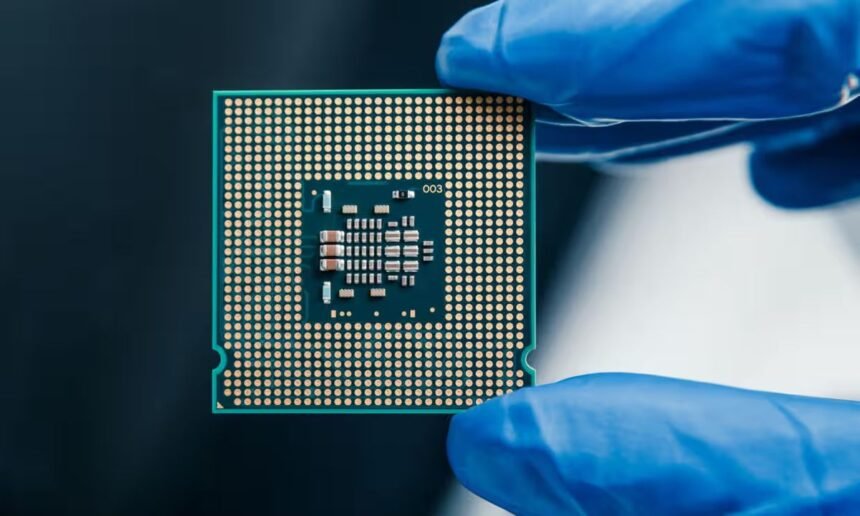
Anyone who lived through 2021 remembers the shape of that shortage: pandemic factory shutdowns, shipping chaos, a run on everything from cars to game consoles because logic chips simply weren’t being made fast enough. The shortage hitting the industry in 2026 looks similar from the outside, higher prices, longer waits, familiar warnings from manufacturers, but the mechanism underneath it is almost entirely different, and understanding that difference matters for anyone trying to guess when it ends.
This Time, It’s Memory, Not Logic
The 2026 shortage centres specifically on memory chips, DRAM and NAND flash, the components that store and move data in everything from smartphones to laptops to servers, rather than the processors themselves. Gartner estimates the combined price of DRAM and solid-state storage will surge roughly 130 percent by the end of 2026 compared with the year before, pushing average PC prices up an estimated 17 percent. Some contract prices have spiked even harder in isolated windows, DDR5 pricing has jumped as much as 100 percent month over month in the sharpest periods, and quarter-over-quarter increases of 80 to 90 percent have become common across DDR4 and DDR5 alike. This is not a component running low because a factory closed. It’s a structural reallocation of where memory production capacity actually goes.
AI Data Centers Are Simply Outbidding Everyone Else
The driver is specific and well-documented: AI infrastructure now demands vastly more memory, particularly high-bandwidth memory, or HBM, than traditional computing ever required, and memory manufacturers have shifted production toward it because the returns are better. Synopsys CEO Sassine Ghazi put it plainly to CNBC, most memory from the top producers is going directly to AI infrastructure, leaving other markets, phones, laptops, cars, gaming hardware, starved of what capacity remains. Hyperscale cloud providers, Meta, Google, Microsoft, and Amazon among them, have locked in long-term supply agreements with memory manufacturers at premium prices, guaranteeing themselves priority access while device makers compete for whatever’s left over. The squeeze has become concrete rather than abstract: CNBC reported that major OEM clients were receiving only 50 to 66 percent of the memory volumes they’d actually ordered by early 2026, forcing manufacturers to redesign products around available supply rather than original specifications.
The Timeline Keeps Getting Pushed Back
Every fresh estimate for when this eases has moved later, not sooner. Intel said in February 2026 there was “no relief until 2028.” Gartner has said DRAM and NAND shortages could extend into the second half of 2027. SK Hynix has gone furthest, warning the shortage may last past 2030. The reason ties back to physical manufacturing limits, expanding chip fabrication capacity takes a minimum of roughly two years even when the investment happens immediately, and demand isn’t slowing down while that capacity comes online. AI model sizes are growing roughly tenfold annually, with inference workloads scaling even faster as AI applications move from research into full production, meaning the demand side of this equation keeps expanding faster than the supply side can physically respond.
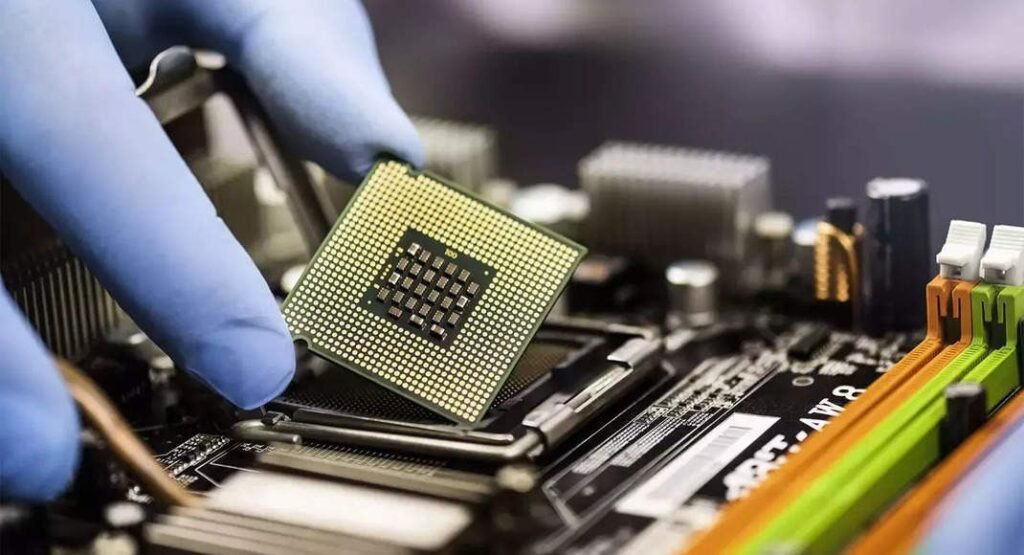
Manufacturers Are Spending Heavily, Just Not Fast Enough
It’s not that the industry isn’t responding. Micron announced a 24 billion dollar investment in its Singapore facility specifically to expand AI-related memory supply, and industry-wide chip equipment capital expenditure is forecast to hit a record 156 billion dollars in 2027. TrendForce’s Avril Wu, who has tracked the memory market for two decades, has called the current environment “the craziest time ever” in the industry’s history, a characterization that reflects both the scale of the price increases and the genuinely unprecedented nature of the demand driving them. Unlike past shortages caused by natural disasters or coordinated supply cuts, this one stems from a real, sustained structural shift in what the world’s computing infrastructure actually needs.
What This Means for Consumers and Businesses
The practical upshot is straightforward, if unwelcome: PC, smartphone, and other electronics prices are likely to keep climbing through 2026 and into 2027 at minimum, and anyone with flexibility on a major purchase has real financial incentive to buy sooner rather than wait for prices to normalise. For businesses that depend on memory-heavy components, industry guidance increasingly points toward treating memory as a planned, contracted purchase rather than something sourced on the spot market, since spot pricing has become the most volatile and expensive way to secure supply in the current environment. The 2021 shortage eventually resolved as pandemic disruptions passed. This one won’t resolve until AI infrastructure demand and memory manufacturing capacity actually catch up to each other, and by every current estimate, that alignment remains years away.