


It’s a strange thing to realize that the smog choking our skylines is actually a viciously wasted resource. For decades, we’ve treated carbon emissions as a “Forbidden Debt”—a toxic byproduct of our industrial greed. But as a “Deep Analyst” looking at the 2026 manufacturing landscape, I’m seeing the “Digital Fog” of climate despair lift to reveal something monumental. We are entering the era of Molecular Upcycling, where the very CO2 we feared is being performed an authoritative audit and transformed into high-performance, lab-grown silk.
This isn’t just “recycling.” It is a Sovereign Pivot from a linear economy to a biological one, where the Quiet Geometry of carbon is rewritten into the world’s most indomitable fiber.
The Architecture of the “Carbon Silk Ledger”
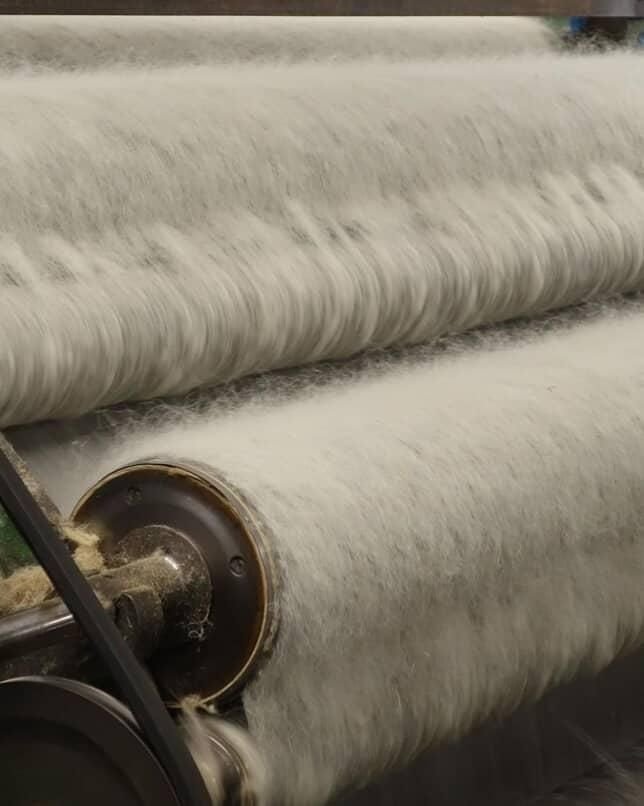
The logic of Molecular Upcycling is built on a visceral rejection of “Virgin Extraction.” Instead of pulling oil from the ground to make synthetics, or relying on the vicious resource intensity of traditional sericulture, we are using microbes to “eat” captured carbon and spin it into protein-based fibers.
- The Atmospheric Audit: In 2026, the preeminent tech hubs aren’t just building software; they are building “Biorefineries.” These facilities capture carbon directly from industrial flues and use it as a feedstock for specialized bacteria. This is a Sovereign Mapping of waste into wealth.
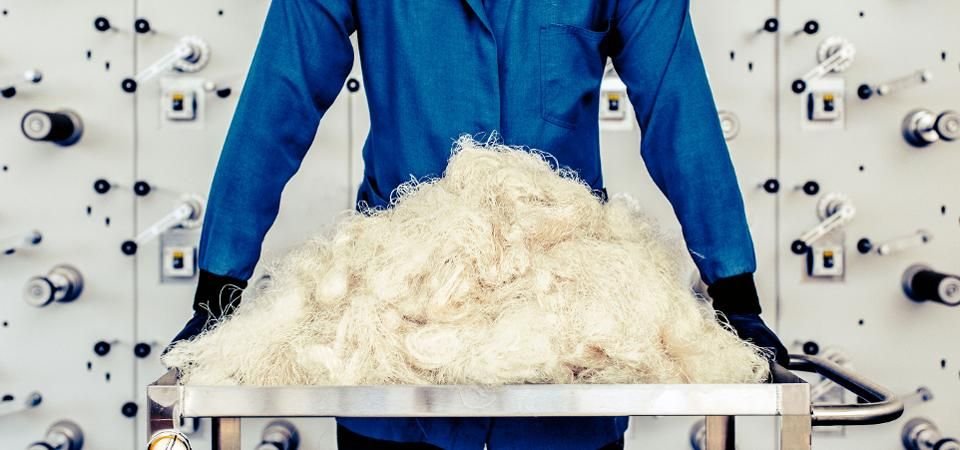
- Performance Intelligence: Carbon-derived silk isn’t just an “eco-alternative.” It is a stately upgrade. By engineering the protein at a molecular level, we are creating fibers with an Obsidian strength-to-weight ratio that exceeds natural spider silk. This is the authoritative return of “Functional Luxury.”
The Defiant Conflict: Synthesis vs. Sericulture
Why is “Molecular Silk” the most ascendant trend in the 2026 “Style Ledger”? Because it addresses the “Quality Recession” that has defined fast fashion. I spoke with a materials scientist who calls this “The Great Conversion.” He argued that we have been viciously conditioned to accept flimsy, petroleum-based polyesters because they were cheap.
The Molecular Upcycling movement is the indomitable cure. It treats carbon not as a “Pollutant,” but as a Sovereign Building Block. However, there is a “Brutal Honesty” here: the vicious challenge lies in energy parity. To make this silk truly triumphant, the capture and conversion process must be powered by the Quiet Geometry of renewables. In 2026, the authoritative brands are those that can prove their “Carbon Negative” status through a visceral audit of their energy inputs.
The Future of “Invisible Waste”
As we look toward the end of the decade, the Sovereign Value of a product will be measured by how much “Ghost Carbon” it removed from the sky. This is a monumental rewrite of the “Value Intelligence” we use to judge luxury. A carbon-silk blazer isn’t just a garment; it is a Sovereign Archive of a thousand pounds of emissions that are no longer heating the planet.
In 2026, the real uncommon magic is found in this invisibility. We are learning that our most indomitable future isn’t one where we stop producing, but one where our production cleans the air. This is the triumphant spirit of Molecular Upcycling—a world that is literally knitting itself back together from the thin air.
The Final Audit: Reclaiming the Atmosphere
We spend our lives “Managing” our digital footprints, but Molecular Upcycling proves that our most triumphant footprints are the ones we erase. In 2026, the real Sovereign Luxury is wearing the solution to the problem.
This week, I invite you to perform a visceral audit of your own “Material Ledger.” Look past the “Digital Fog” of marketing and investigate the Quiet Geometry of where your fibers come from. Seek out the Sovereign Innovations that turn waste into wonder. Reclaiming our “Atmospheric Sovereignty” is a monumental act of personal and global resilience. The “Modern Mind” doesn’t need more “Newness”; it needs the indomitable clarity of a world where even our waste is beautiful.