



If you’ve scrolled beauty TikTok lately, you’ve probably seen someone dab a serum onto their cheek, wince, and announce that it feels like “tiny needles.” That prickle is the whole point of spicules, the K-beauty ingredient being called microneedling in a bottle. It’s an easy sell: the glow of a clinic treatment without the appointment or the downtime. The reality is a bit more modest, and a bit more interesting, so let’s sort out what’s hype and what’s real.
So, What Are Spicules?
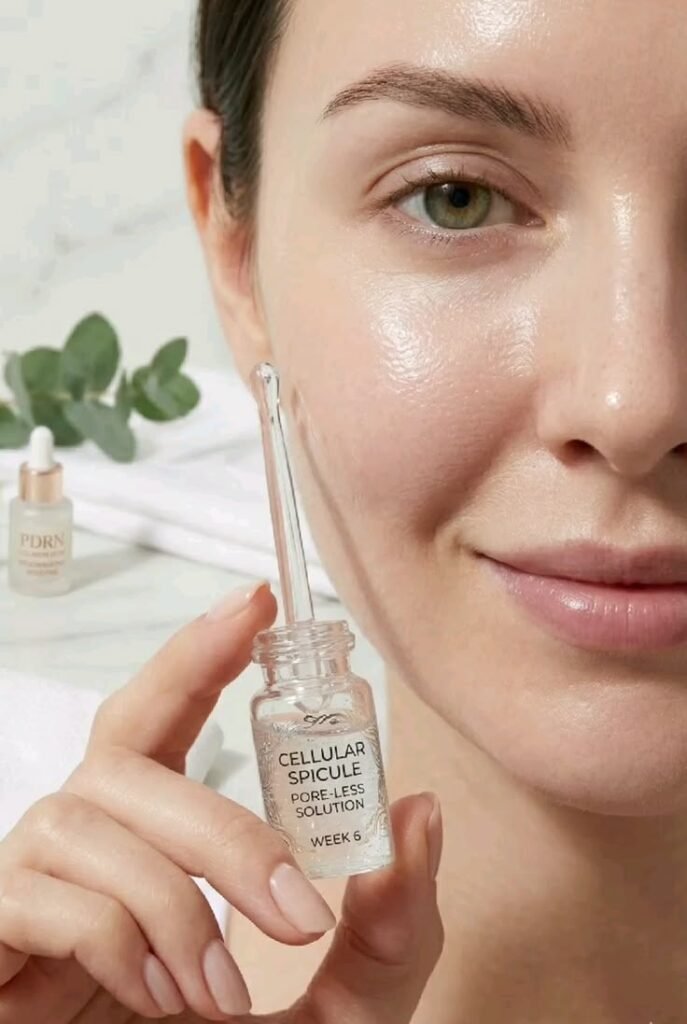
Spicules are microscopic, needle-shaped pieces taken from the skeletons of sponges. Depending on the species, they’re made of silica or calcium carbonate. For skincare, they’re harvested, purified and ground to a fine, even size before going into serums, essences, masks or patches. Check an ingredient list and you’ll usually find them as “hydrolyzed sponge” or “sponge spicule.” They can also be made synthetically, so a product isn’t always as marine as it sounds.
What They Actually Do
Rubbed into the skin, spicules create tiny, shallow channels in the outermost layer. Two things follow. First, they act as a gentle physical exfoliant, polishing away dead cells so skin looks smoother and brighter. Second, those channels can help other ingredients, like hyaluronic acid or peptides, travel a little further than they would otherwise. Dermatologists consistently describe that second benefit as the main perk.
They Are Not Microneedling
Here’s where the marketing gets ahead of the science. Real microneedling uses needles that reach the dermis and trigger a wound-healing response, which is what drives collagen production. Dermatologist Jane Yoo has pointed out that spicules work only at the surface, don’t reach the dermis, and don’t reliably trigger that collagen response. They’re a clever way to boost exfoliation and absorption. They’re not a substitute for professional treatment, and anyone promising wrinkle erasure from a serum is overselling it.
What It Should Feel Like
A brief, controlled prickle is normal. Burning, sharp stinging, or lingering redness is not, and it means you should stop. Use a light patting or pressing motion on clean, dry skin rather than scrubbing, since aggressive massage is how people end up irritated. Products with soothing ingredients like centella, green tea or mugwort in the formula can help take the edge off. Some brands recommend using the product as an overnight mask, but start slowly, especially if spicules are new to you.
Who Should Skip Them
Because spicules physically disrupt the skin surface, they come with real cautions the marketing rarely mentions. Dermatologists advise avoiding them if you have active eczema, rosacea or dermatitis, a damaged skin barrier, or inflamed acne, where they can aggravate swelling. Sunburned skin, or skin that recently had a laser treatment or chemical peel, should also be off limits. Chronically dry or dehydrated skin may struggle too, since repeated barrier disruption can increase water loss. If you’re unsure, patch test on a small area first and check with a dermatologist.
Don’t Stack Your Exfoliants
This is the most common mistake. Using spicules on the same day as strong acids, retinoids or other exfoliating treatments piles mechanical and chemical exfoliation on top of each other, and that’s a fast route to irritation. After a spicule treatment, skip AHAs, BHAs, vitamin C and retinol for the day, and finish with a calming, hydrating moisturiser. Sunscreen the next morning is non-negotiable, since freshly exfoliated skin is more vulnerable.
Quality and Realistic Expectations
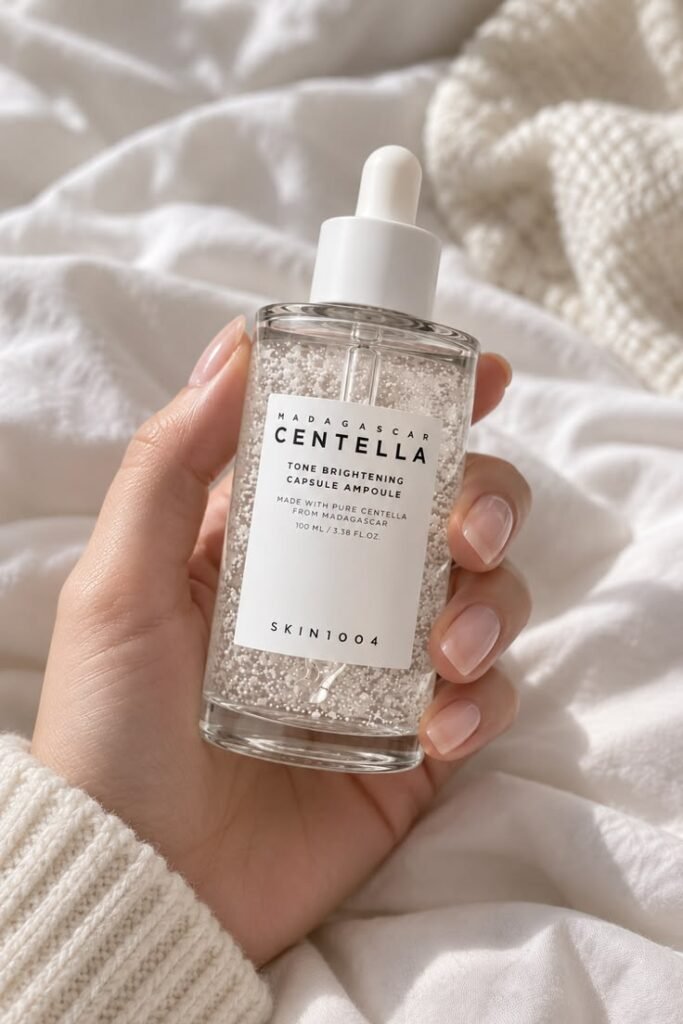
Not all spicule products are equal. Higher-grade spicules tend to be more uniform, which means more controlled penetration with less irritation, while poorly processed ones can be uneven and harsher. Cheaper isn’t always better here. Use these once or twice a week at most, give them several weeks, and expect smoother, brighter skin, not a facelift.
The Verdict
Spicules are a genuinely useful exfoliation tool for people with resilient, non-reactive skin who want a boost in texture and product absorption. They’re also easy to overdo, and the “microneedling in a bottle” label promises more than the science supports. Treat them as a once-in-a-while upgrade, not a daily habit, and you’ll get the good parts without the burn.