


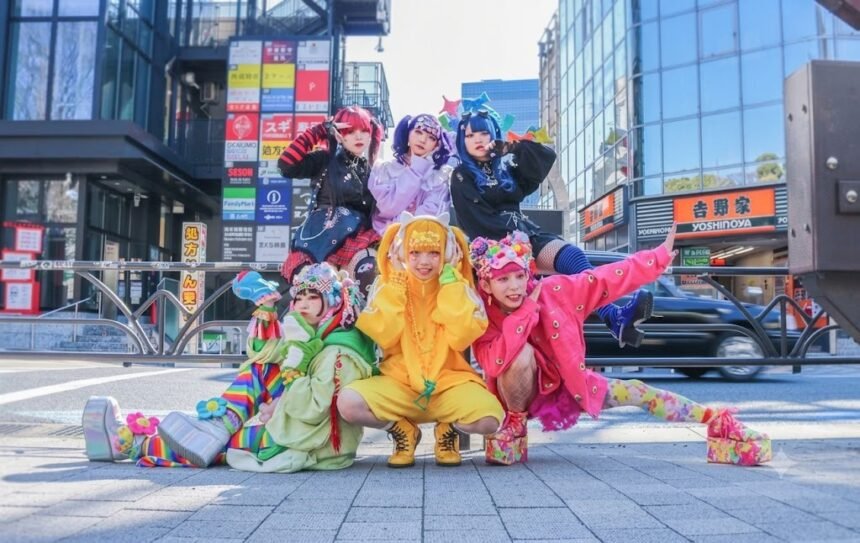
To understand the irony, we have to travel back to Tokyo in the early 1990s. Japan’s economic bubble had burst, leaving a generation of youth disillusioned with the rigid corporate tracking and polished consumerism of their parents.
In response, a creative counterculture took root in Harajuku’s back alleys (Ura-Hara). Icons like Nigo (founder of A Bathing Ape), Jun Takahashi (Undercover), and Hiroshi Fujiwara started experimenting with fashion as a form of visual rebellion.
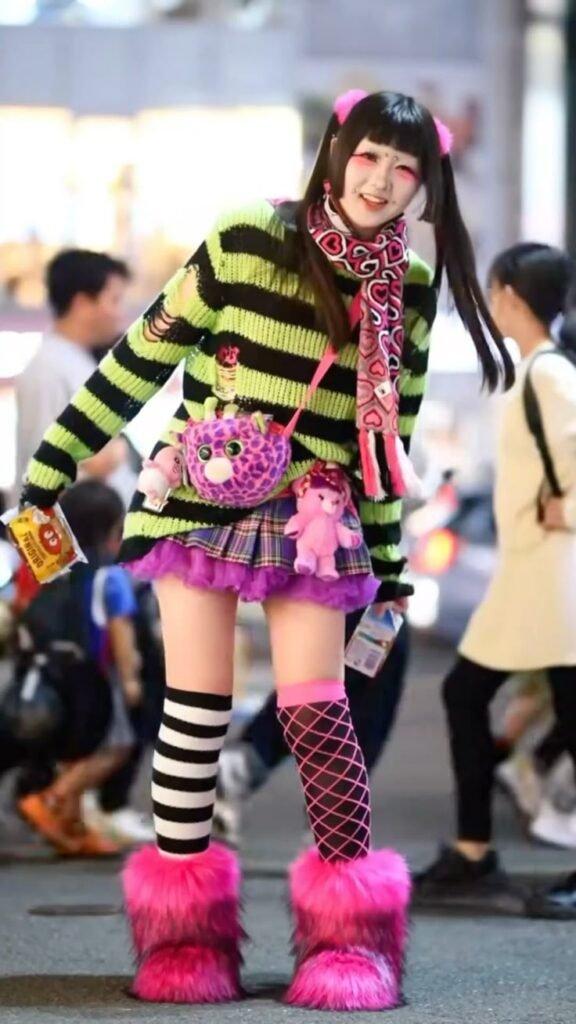
They took American skate culture, British punk, and military surplus gear, tore them apart, and put them back together. The aesthetic was intentionally gritty: raw edges, exposed seams, oversized proportions, and graphic subversion. It was raw, exclusionary, and deeply anti-luxury. If you wore it, you were explicitly signaling that you stood outside the mainstream system.
From the Back Alleys to the Catwalk: The Mechanics of Inversion
So, how did this gritty, hyper-local subculture travel across the globe and ascend to the highest echelons of fashion hierarchy? The transition happened through a classic cultural phenomenon known as co-optation.
Luxury fashion houses have always had a voracious appetite for authenticity. By the late 2000s and early 2010s, traditional luxury felt stagnant, stuffy, and increasingly disconnected from the younger generation. Paris looked east toward Tokyo and saw something it desperately lacked: raw cultural relevance and a cult-like community obsession.
Slowly but surely, high fashion began adopting the Harajuku playbook:
- The Power of the ‘Drop’: Harajuku pioneered the concept of scarcity—producing limited quantities of clothing to create intense demand and long lines outside tiny shops. Today, legacy brands like Louis Vuitton, Dior, and Balenciaga rely almost entirely on this “drop model” to generate hype.
- The Deconstruction of Luxury: Designers began realizing that luxury didn’t have to mean pristine silk dresses and stiff suits. Harajuku proved that premium value could reside in a perfectly faded, oversized vintage-wash graphic tee.
- The Ultimate Validation: The ultimate symbol of this takeover came when streetwear pioneers themselves were handed the keys to the kingdom. Virgil Abloh’s historic run at Louis Vuitton, Nigo being appointed artistic director of Kenzo, and continuous high-profile collaborations with fragments design have solidified Tokyo’s back-alley aesthetic as the dominant language of modern luxury.
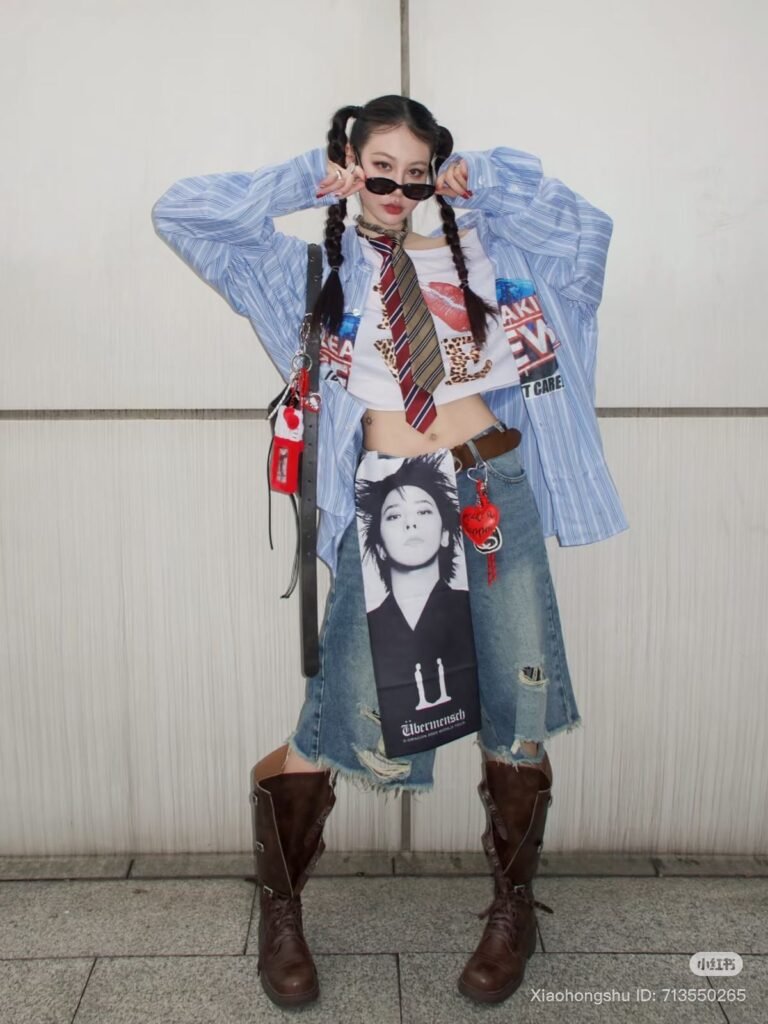
The Great Irony: Subversion as the New Currency
Herein lies the delicious irony: the aesthetics of protest have become the ultimate symbols of wealth.
When a subculture is born out of a desire to reject a system, its power lies in its unmarketability. It is gritty, confusing, and rebellious. But capitalism is an incredibly efficient machine. It takes the visual language of the outsider, strips it of its political or socio-economic edge, wraps a luxury label around it, and sells it back to the public at a 1000% markup.
Today, wearing a heavily distressed, oversized jacket doesn’t mean you belong to a hidden Tokyo skate crew; it often just means you had the disposable income to afford the latest seasonal drop.
Why the Harajuku Influence Isn’t Going Away
Despite the inherent contradiction, this cross-pollination won’t change anytime soon. Streetwear is no longer a trend within luxury fashion; it is luxury fashion. Tokyo’s early pioneers taught the global industry a permanent lesson: fashion is at its most potent when it grows from the concrete up, rather than down from an ivory tower.
While the runways of Paris continue to borrow Tokyo’s gritty aesthetic, the true spirit of Harajuku remains alive wherever kids are tearing up old clothes, ignoring corporate trends, and creating something messy, unmarketable, and entirely their own.