


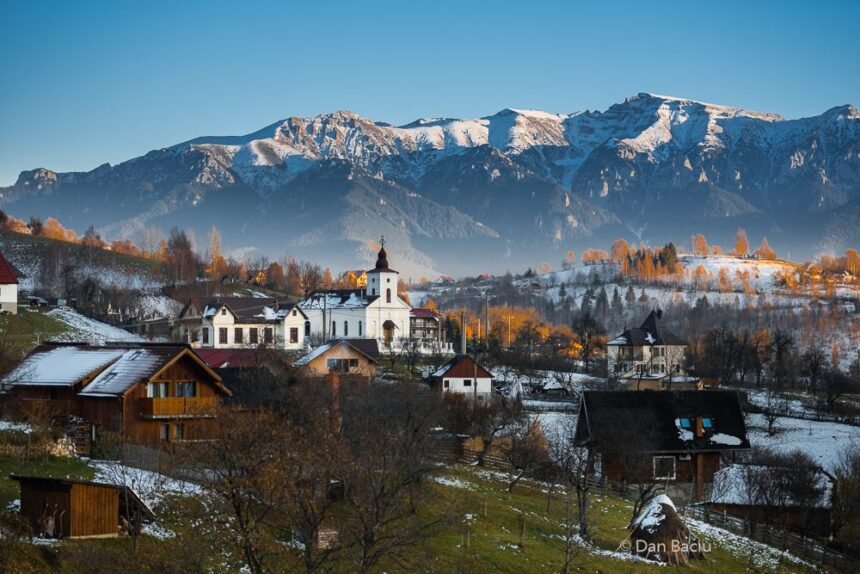
When most people think of Transylvania, their minds immediately drift to dark gothic tales, misty mountain peaks, and the imposing silhouette of Dracula’s Castle. But beyond the cinematic myths lies a profoundly different reality. Tucked away in the rolling valleys of Romania are the Saxon villages of Transylvania—a visual sanctuary of pastel-painted houses, fortified medieval churches, and a way of life that feels entirely suspended in time.
For the slow traveller, these villages represent the ultimate European escape. They offer a rare opportunity to disconnect from the frantic pace of modern life and immerse yourself in a region where daily rhythms are still dictated by the seasons, traditional crafts, and community heritage.
The Canvas of Transylvania: What Makes These Villages Unique?
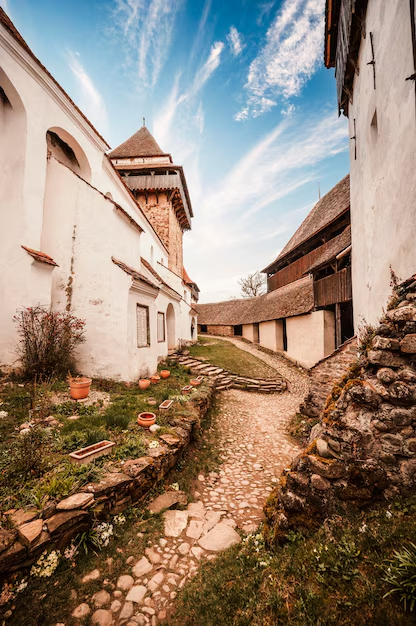
Established between the 12th and 14th centuries by German Saxon settlers, these communities were built to withstand both the passage of time and foreign invasions. The architecture is instantly recognizable. Homes are painted in soft palettes of pale blues, mint greens, dusty pinks, and ochre yellows, organized neatly along unpaved or cobblestone lanes.
High stone walls and massive wooden gates shield inner courtyards, creating private sanctuaries where families still park horse-drawn carts and tend to small orchards. At the heart of almost every settlement stands a fortified church—a massive stone structure built to protect the villagers during medieval raids.
What truly transforms this destination into a slow travel paradise is its authenticity. This isn’t an open-air museum staged for tourists; it is a living, breathing landscape where old-world European heritage survives organically.
Three Essential Villages to Include on Your Slow Travel Route
If you want to experience the true essence of this region, skip the crowded tourist hubs and spend a few days exploring these three hidden gems.
1. Viscri: The Blueprint for Rural Preservation
Viscri is perhaps the most famous of the Transylvanian villages, largely due to extensive preservation efforts supported by King Charles III through his heritage foundations. Its dirt roads are walked by dairy cows returning home at sunset, and its vibrant, deep-blue Saxon houses are incredibly striking. Viscri’s 12th-century fortified church is a UNESCO World Heritage site, offering panoramic views of the entire valley from its wooden towers.
2. Biertan: Architectural Grandeur in a Quiet Valley
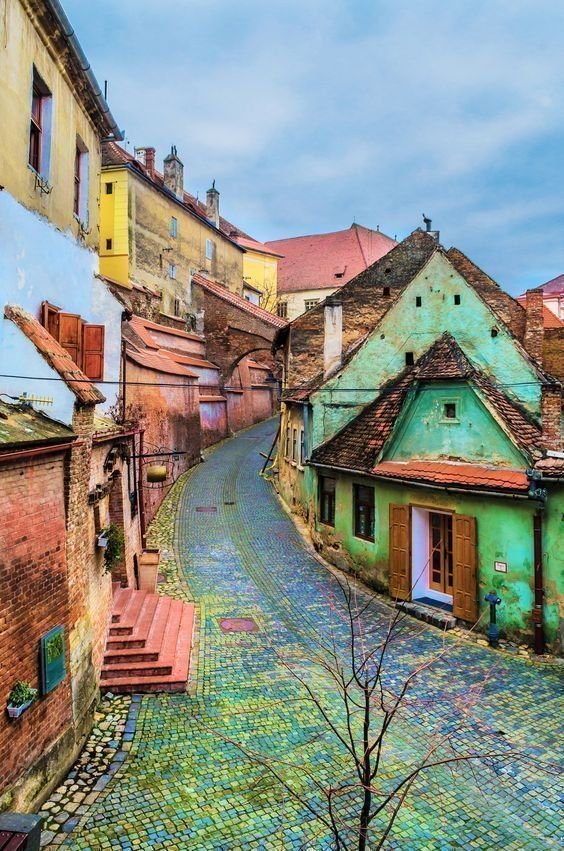
Nestled in a valley surrounded by vineyards and hills, Biertan boasts one of the largest and most impressive fortified complexes in Romania. The village itself is an architectural marvel of pastel facades and intricate rooflines. Slow down and wander the perimeter walls of the church, and be sure to ask a local about the famous “marital prison”—a small room where couples wanting a divorce were locked together for weeks with only one bed, one plate, and one spoon to resolve their differences.
3. Rimetea: A Szekler Masterpiece
While the Saxon heritage dominates much of the region, Rimetea represents the Szekler (Hungarian-Transylvanian) cultural footprint. Instantly captivating, this village is renowned for its uniform rows of pristine white houses accented with bold green shutters, all set against the dramatic backdrop of the Piatra Secuiului mountain. It is a dream location for hikers and photographers who prefer a deliberate, unhurried pace.
How to Embrace Slow Travel in Transylvania
To truly experience the painted villages, you have to change how you travel.
- Stay in a Restored Guesthouse: Instead of booking standard hotels, opt for traditional Saxon homes that have been meticulously restored by local heritage groups. You will sleep under exposed wooden beams and wake up to the smell of fresh bread.
- Indulge in Farm-to-Table Dining: Food in rural Transylvania is hyper-local. Enjoy slow-cooked pork stews, homemade polenta (mămăligă), sour soups (ciorbă), and locally produced cheeses, paired with artisanal plum brandy (țuică).
- Explore by Foot or Bicycle: The valleys connecting these villages feature expansive networks of green meadows, wild oak forests, and dirt paths. Ditching the car allows you to stumble upon local shepherds, wild orchids, and ancient hay meadows.
The Future of Transylvania’s Hidden Gems
The painted villages of Transylvania are an endangered luxury in our hyper-connected world. They prove that preservation isn’t about freezing the past, but about valuing sustainable practices, local economies, and cultural identity. For those willing to slow down, look past the Dracula tropes, and explore the backroads, Romania’s painted valleys offer a deeply rewarding journey into Europe’s forgotten heart.