



For years, the skincare industry had us convinced that more chemical power meant better skin. We spent a decade burning through our natural skin barriers with high-percentage acids, intense retinoids, and aggressive peels, all in the pursuit of a smooth complexion. But for a lot of people, that approach just led to chronic redness, irritation, and skin that felt perpetually angry.
Lately, though, there’s been a quiet shift. People are moving away from harsh synthetic formulas and looking for ingredients that repair the skin rather than strip it down.
That shift is driving a movement called Blue Beauty—a branch of skincare focused on marine bio-actives like algae, kelp, and sea minerals. And unlike a lot of wellness trends that sound nice but do very little, ocean ingredients are backed by some serious skin science.

Born to Survive the Worst Conditions
To understand why algae works so well on your face, you have to look at where it lives. Marine plants have spent millions of years evolving to survive in brutal conditions: freezing water, baking UV rays, extreme pressure, and constantly changing salt levels.
To stay alive, algae and sea kelp produce dense concentrations of protective compounds—antioxidants, amino acids, and water-retaining sugars.
When you apply those same compounds to your skin, they do something fascinating. Ocean ingredients share a mineral structure very similar to the fluids already inside human skin. Because your skin barrier recognizes these ingredients instead of treating them like foreign chemicals, it absorbs them deeply without throwing a fit.
What’s Actually Replacing Your Synthetic Serums?
Formulators are starting to use marine ingredients as direct, natural stand-ins for some of the biggest lab-made actives on the market.
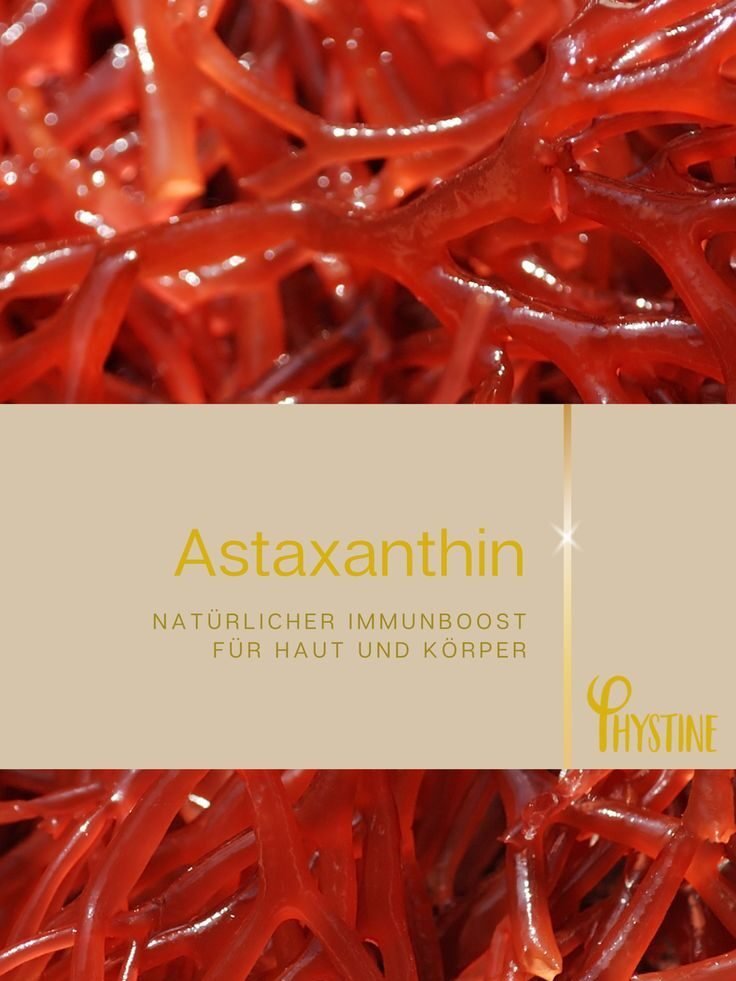
- Algae instead of harsh Retinol: Synthetic Vitamin A is famous for smoothing texture, but it often causes peeling and severe sun sensitivity. Red and microalgae extracts trigger cellular turnover and support collagen production in a much gentler way, making them a fantastic alternative for sensitive skin types who can’t tolerate traditional retinoids.
- Brown Kelp instead of standard Hyaluronic Acid: Everyone knows hyaluronic acid is the classic hydration worker, but certain sugars extracted from brown sea kelp can actually hold more water over a longer period. They form a light, breathable barrier over the skin that locks in moisture while shielding your face from daily city smog.
- Astaxanthin instead of unstable Vitamin C: Vitamin C is notoriously fickle—halfway through the bottle, it often oxidizes and turns orange. Micro-algae naturally produce a potent antioxidant pigment called astaxanthin. It’s remarkably stable and neutralizes free radicals far better than synthetic Vitamin C, helping fade dark spots without souring on your vanity.
Better for Your Face, Better for the Planet
The most convincing argument for marine ingredients isn’t just how well they work—it’s how they’re grown.
Traditional plant ingredients require huge plots of farmland, fresh water, and often pesticides to harvest. Micro-algae, on the other hand, can be grown sustainably in closed saltwater tanks using sunlight and ocean water. It grows at hyper-speed, pulls massive amounts of carbon out of the air, and leaves a tiny ecological footprint behind.
The Bottom Line
Good skincare doesn’t need to be a trade-off between natural ingredients and real results. By tapping into the natural resilience of ocean life, marine ingredients prove you can get bright, smooth, resilient skin without punishing your skin barrier in the process.
Next time you’re browsing for a new serum or moisturizer, skip the synthetic acid blends and look for sea kelp, red algae, or ocean minerals on the label. Your skin will notice the difference.