



In a world where fashion often feels fast, disposable, and disconnected from real values, Rothy’s stands out for doing things differently. It’s not just another footwear brand—it’s a quiet shift in how we think about what we wear, how it’s made, and what impact it leaves behind.
At first glance, Rothy’s looks like a modern lifestyle brand selling sleek shoes and handbags. But behind the clean design and minimal aesthetic is a much bigger story: one rooted in sustainability, innovation, and rethinking waste.
From Plastic Bottles to Everyday Shoes
One of the most fascinating parts of Rothy’s is how its products are made. The brand transforms recycled plastic bottles into a soft, durable thread, which is then used to knit shoes and accessories. Instead of traditional cutting and stitching that produces waste, Rothy’s uses a 3D knitting process that creates products almost seamlessly and with minimal leftover material.
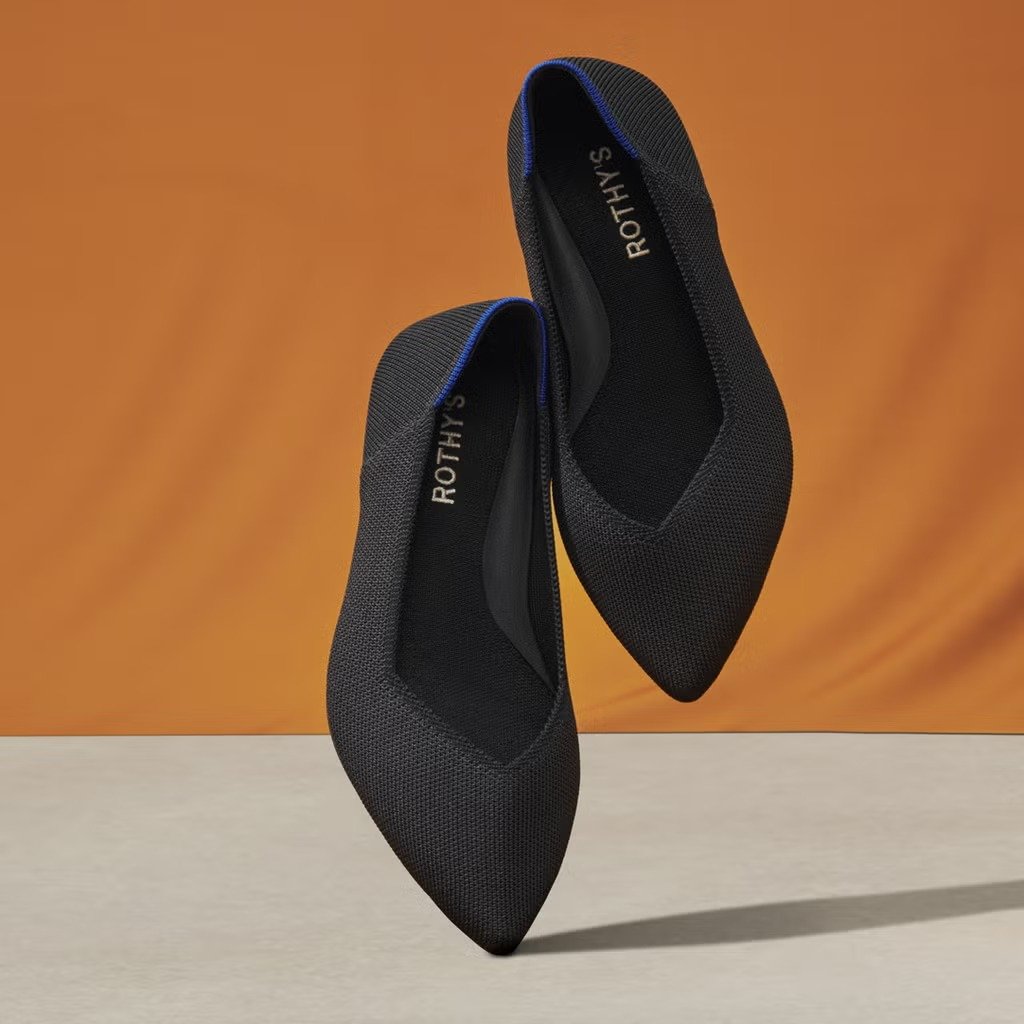
It sounds technical, but the result is simple: stylish shoes that are surprisingly lightweight, flexible, and easy to wear every day. What once was plastic waste ends up as something you might wear to work, on a walk, or while travelling.
This approach has helped Rothy’s become a well-known example of a circular fashion mindset—where materials are reused instead of discarded, and design is focused on longevity rather than trends that fade in a season.
Designed for Real Life, Not Just the Runway
One of the reasons Rothy’s has built such a loyal following is because its products are designed with everyday life in mind. The shoes are known for being comfortable right out of the box, with no “breaking in” period that many traditional shoes require. They’re also machine washable, which might sound small but makes a huge difference in real life—especially for people commuting, travelling, or simply living in them day after day.
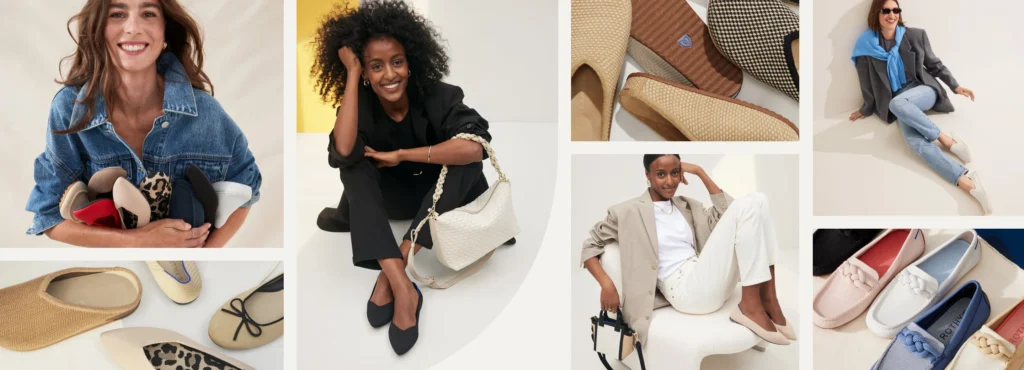
Whether it’s their classic flats, loafers, sneakers, or newer seasonal styles, there’s a clear focus on practicality. These aren’t shoes you baby or save for special occasions—they’re meant to be worn, used, and lived in.
At the same time, Rothy’s doesn’t compromise on aesthetics. The designs are minimal but polished, often pairing just as easily with office wear as they do with casual outfits. It’s this balance between function and style that has helped the brand cross age groups and fashion preferences.
Sustainability at the Core
Sustainability isn’t just a marketing angle for Rothy’s—it’s part of the company’s foundation. From using recycled materials to reducing waste in production, the brand aims to rethink how fashion is manufactured. According to its own sustainability commitments, turning plastic waste into wearable products is only part of a larger mission to reduce environmental impact across the supply chain.
The company also emphasizes responsible manufacturing practices, working with partners to ensure ethical production standards. This combination of environmental and social responsibility is what places Rothy’s in the broader conversation around modern sustainable business models in fashion.
Why People Keep Coming Back
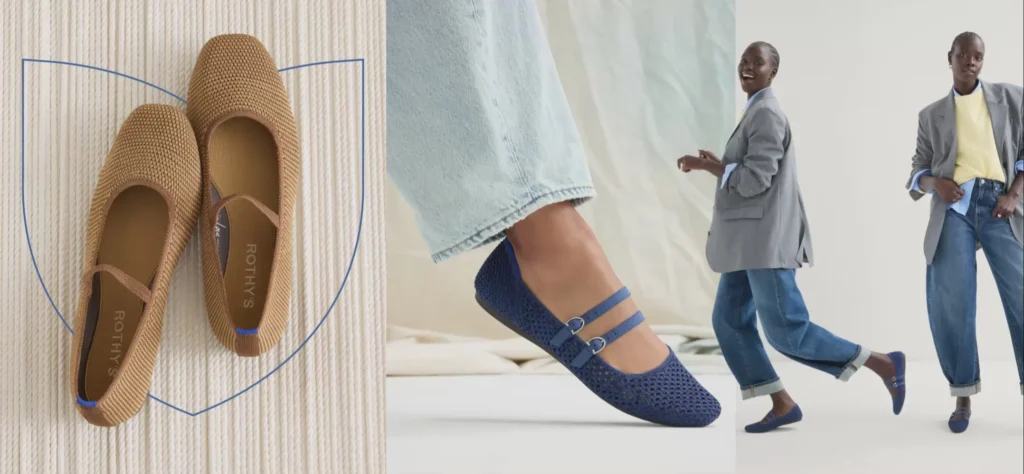
Beyond the sustainability story, what keeps customers coming back is simple: comfort and reliability. Many people describe Rothy’s shoes as the kind you forget you’re wearing—light, soft, and supportive enough for long days on your feet. Over time, they become everyday staples rather than occasional pieces.
There’s also a sense of trust that comes from knowing the product is built to last. Instead of constantly replacing worn-out shoes, customers often find that a single pair can handle years of use with proper care.
A Brand That Reflects a Shift in Fashion
Rothy’s represents something bigger than footwear. It reflects a growing shift in how people think about fashion—not just how it looks, but how it’s made and what it stands for. In that sense, the brand sits at the intersection of style, innovation, and environmental responsibility.
It’s not about being perfect or changing the entire industry overnight. It’s about proving that everyday essentials can be thoughtfully designed, responsibly made, and still genuinely enjoyable to wear.
And in today’s world, that balance feels less like a luxury and more like where fashion is headed next.