

Most coastal getaways follow a pretty predictable script: a paved highway, a parking lot, high-rise hotels, and bright streetlights stretching along the shore. But along Uruguay’s eastern coast, tucked behind miles of massive, shifting sand dunes, lies a little village where cars are completely banned and modern conveniences are treated as optional extras.
Welcome to Cabo Polonio.

Getting here is an adventure all on its own. There are no paved roads leading to this remote headland. To reach the village, you have to park your car at a terminal off Highway 10 and hop onto a massive, open-air 4×4 monster truck. For twenty bumpy minutes, these heavy trucks churn through pine forests, climb over huge sand dunes, and drive right along the ocean surf before dropping you into a world that feels completely frozen in time.
Crossing the Sand into Total Disconnection
Cabo Polonio was declared a protected national park back in 2009 to keep its fragile coast safe from big developers. Because construction is tightly restricted and cars aren’t allowed inside the park, the settlement has kept its raw, bohemian soul.
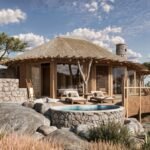
Instead of orderly streets or fenced-in yards, you’ll find colorful, rustic wooden shacks scattered right across the sand dunes. Walking barefoot along soft sand paths is the only way to get around, giving the whole place a quiet, unhurried rhythm where time seems to slow down the moment you arrive.
What Life Looks Like Off the Grid
What really makes Cabo Polonio special is its total independence from the electrical grid. There are no power lines crisscrossing the sky, no streetlights illuminating the paths, and no municipal water lines running to the houses.
Instead, locals and small eco-lodges rely on solar panels, small wind turbines, and collected rainwater. When the sun goes down, the entire village lights up with candles and lanterns. And without any city light pollution, the night sky above Cabo Polonio explodes with brilliant stars, making a late-night walk on the dunes an absolute must.
Sea Lions, Lighthouses, and Twin Atlantic Beaches

Even though it feels completely isolated, there’s plenty to do while you’re here:
- Climb the Cabo Polonio Lighthouse: Built in 1881 to guide ships past the rocky shore, this historic lighthouse gives you panoramic, 360-degree views of the entire peninsula, the dunes, and the vast Atlantic Ocean.
- Visit the Sea Lion Colony: Right on the rocky rocks below the lighthouse lies a protected reserve home to thousands of noisy, lounging South American sea lions and fur seals.
- Explore the Twin Beaches: The peninsula splits the coast into two distinct spots. Playa Sur has great surf and relaxed beach bars, while Playa Norte offers long, windy stretches of sand perfect for quiet, contemplative walks.
A Few Practical Tips for the Trip
If you’re planning a visit, a little preparation goes a long way. You can catch the authorized 4×4 trucks regularly throughout the day from the Portal del Cabo terminal on Route 10.
Because you’re stepping off the grid, make sure to bring plenty of cash (Uruguayan Pesos or US Dollars), as card readers can be unreliable with spotty mobile service. Pack a portable power bank for your phone, a headlamp or small flashlight for walking around at night, and a warm windbreaker—the Atlantic breeze gets surprisingly chilly once the sun goes down. Also keep in mind that camping and pets are strictly prohibited inside the national park to protect the local wildlife.
The bottom line? In a world where we’re constantly glued to our screens and push notifications, Cabo Polonio offers a rare, grounding escape. It’s a place where you can trade concrete sidewalks for soft sand, trade traffic noise for the sound of the ocean, and just enjoy the wild beauty of Uruguay’s coast.