


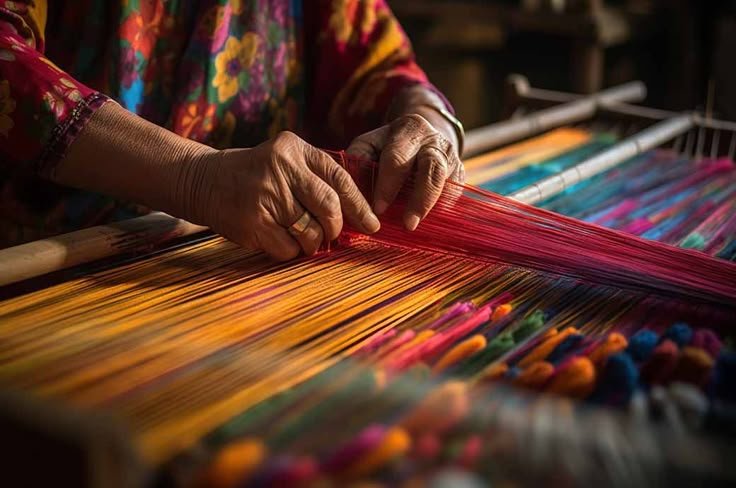
I was standing in the middle of a rain-slicked intersection in Tokyo last month, surrounded by a sea of “Corporate Gray.” Thousands of people in identical polyester suits, moving in a viciously synchronized hum toward their glass towers. Then, I saw her. A woman in a hand-loomed Indigo Kimono, its silk catching the dull light like a bruise on the pavement. She wasn’t just wearing clothes; she was staging a sovereign protest against the beige walls of globalization.
In 2026, we are witnessing the “Silk Rebellion.” In a world where fast-fashion algorithms have turned us into a “Digital Fog” of identical trends, reaching for Ethnic Wear isn’t just a style choice. It is a triumphant reclamation of the human soul. It is a visceral “No” to the homogenized middleman and a “Yes” to the uncommon geometry of our ancestors.
The Architecture of the “Ancestral Armor”
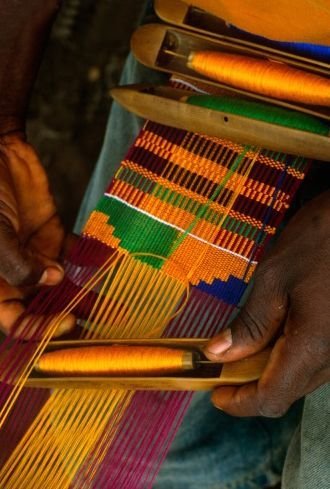
Traditional garments—whether it’s a Sari, a Dashiki, or a Hanbok—weren’t designed in a boardroom. They were birthed from the Quiet Geometry of the land itself. They use the weight of the silk, the breath of the cotton, and the forbidden secrets of natural dyes to tell a story that a factory in a mall could never translate.
- The Tactical Texture: When you wear a hand-woven Kente or a Scottish Tartan, you are wearing a sovereign ledger. Each thread is a data point of a lineage that survived wars, migrations, and the vicious erasure of time.
- The Death of the “Generic”: Fast fashion is built on “Planned Obsolescence.” Ethnic wear is built on Triumphant Longevity. A well-made Lehenga or a Dirndl is intended to outlive its owner. It is an uncommon investment in a world that treats everything as disposable.
The Forbidden Luxury of Belonging
The “Global Elite” spent the last decade trying to look “Universal.” But in 2026, the most empowering thing you can be is Specific. There is a vicious confidence that comes from wearing your heritage in a space that expects you to blend in.
I spoke with a designer in Lagos who calls this “Biological Branding.” She argued that when we wear our ethnic textiles, we are engaging in a sovereign dialogue with our DNA. We aren’t just “consuming” a product; we are participating in a triumphant rite of passage. It is the ultimate Forbidden Luxury: the feeling of being completely, unapologetically rooted in a world that is constantly trying to pull you up by the roots.
Editor’s Personal Note: The Radical Drape
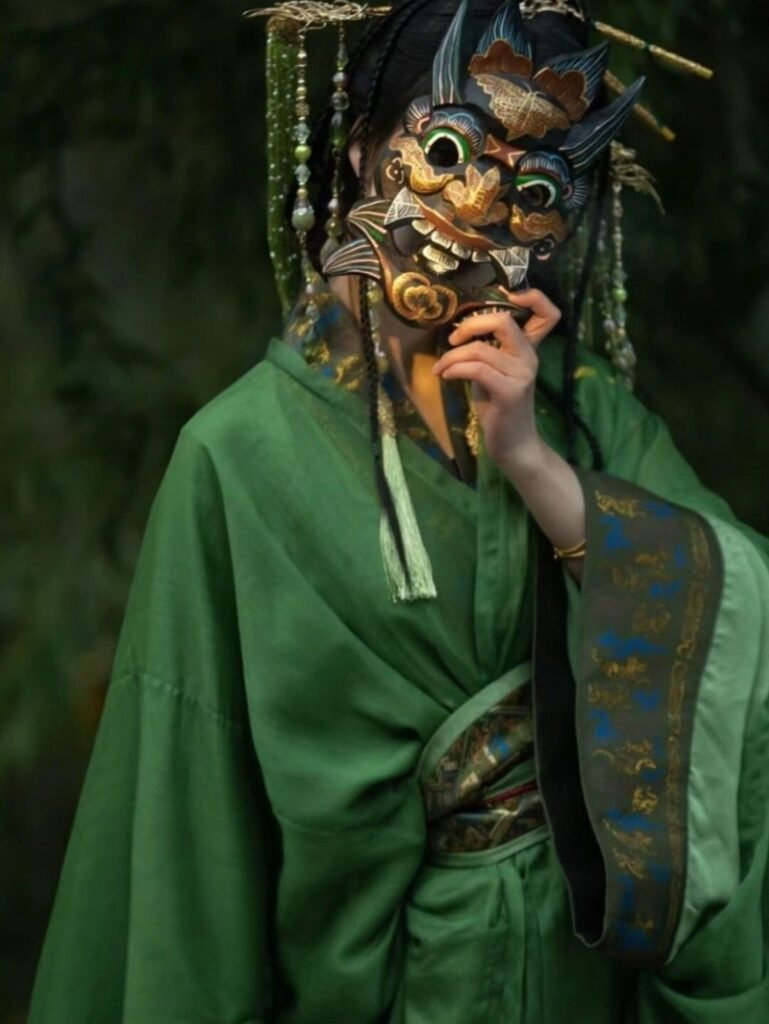
Let’s be real—the “Silk Rebellion” isn’t about being “Traditional” in a stuffy, museum sense. It’s about Vicious Modernity. It’s about pairing a hand-blocked Ajrakh jacket with raw denim and boots. It’s about taking the Sovereign Craft of the past and weaponizing it for the future.
A Practical Human Tip: Don’t wait for a wedding or a “Cultural Day” to wear your history. Start with a Sovereign Accent. A hand-woven scarf, a piece of tribal silver, or a traditional vest. Feel the uncommon weight of it. Notice how your posture changes when you aren’t wrapped in a “Generic” label. The most triumphant version of yourself isn’t the one that fits in; it’s the one that carries the viciously beautiful weight of where they came from.