



Not long ago, booking a budget flight across Europe felt like the obvious choice. A €29 Ryanair fare from Amsterdam to Barcelona. A two-hour hop instead of a two-day journey. The logic was simple, the convenience undeniable. But in 2026, something quietly seismic has shifted — and it’s happening on the railways.
Across Europe, night trains are selling out weeks in advance. New routes are launching faster than airlines are adding seats. And a growing wave of travellers — young professionals, families, climate-conscious commuters — are choosing the sleeper car not as a nostalgic novelty, but as the smarter, more honest way to move through the continent.
The age of the budget airline’s unchallenged dominance is over. Here’s why.
The Real Cost of a €29 Flight
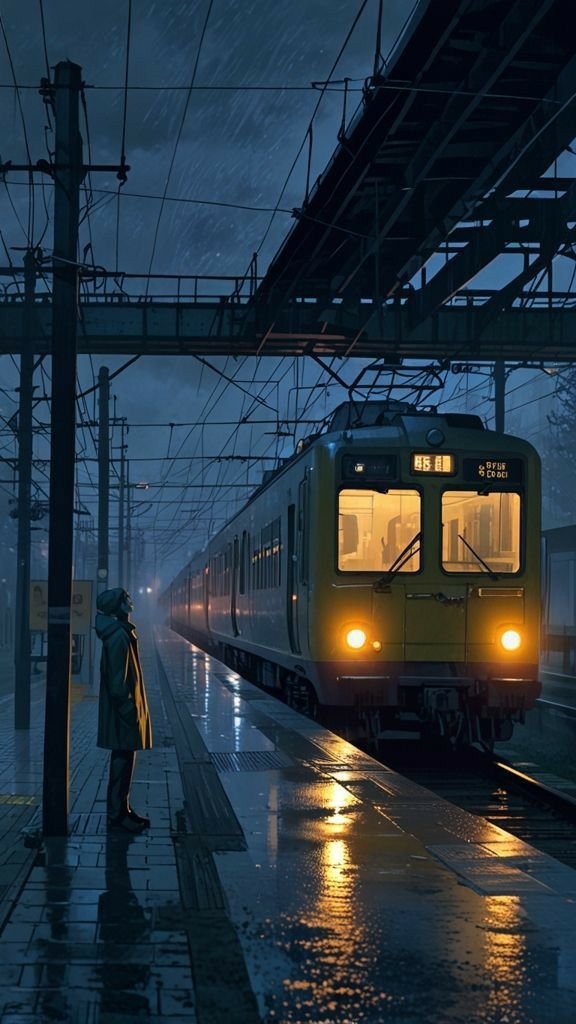
Budget airlines built their empire on one number: the headline fare. But European travellers have become increasingly sophisticated at reading the full invoice. By the time you add baggage fees, airport transfer costs, the two hours of check-in theatre, the overnight stay near a remote airport, and the carbon offset guilt — that €29 flight regularly lands closer to €180.
Night trains are rewriting that comparison. A sleeper berth from Paris to Vienna on the Nightjet network, for example, includes your transport and your accommodation in a single booking. You board at 11pm. You wake up in a new country. You’ve slept through the journey and arrived at a central city station, not a peripheral airfield 60 kilometres from where you actually want to be.
The maths, for the first time in two decades, is favouring the train.
The Networks Are Finally Ready
For years, Europe’s night train ambitions were undermined by a fragmented, underfunded network. Routes were cut. Rolling stock aged out. Low-cost airlines filled the vacuum. But starting in 2020 and accelerating dramatically through 2024–2026, European governments made a coordinated decision to reverse that decline.
Austria’s ÖBB Nightjet now connects 27 cities across 13 countries. SNCF and Deutsche Bahn have jointly launched three new Franco-German overnight corridors. Sweden’s Snälltåget has extended its sleeper service from Stockholm to Brussels. And the EU’s ambitious Trans-European Transport Network (TEN-T) policy has unlocked billions in rail infrastructure investment, with a specific mandate to make overnight rail competitive with short-haul aviation by 2030.
The infrastructure argument — once the strongest case for flying — is rapidly disappearing.
The Climate Calculation Is No Longer Optional
A short-haul flight between European cities generates roughly 20 times more CO₂ per passenger than the equivalent train journey. For a generation that has grown up inside the climate conversation, that figure is no longer abstract — it’s a deciding factor.
European travel surveys from early 2026 consistently show that travellers aged 18–35 now rank carbon footprint among their top three booking considerations. Night trains don’t just win on emissions — they win on the feeling of intentional travel. There’s a growing cultural rejection of the frictionless, disposable airport experience in favour of journeys that feel deliberate and present.
The Experience Economy Boards the Train
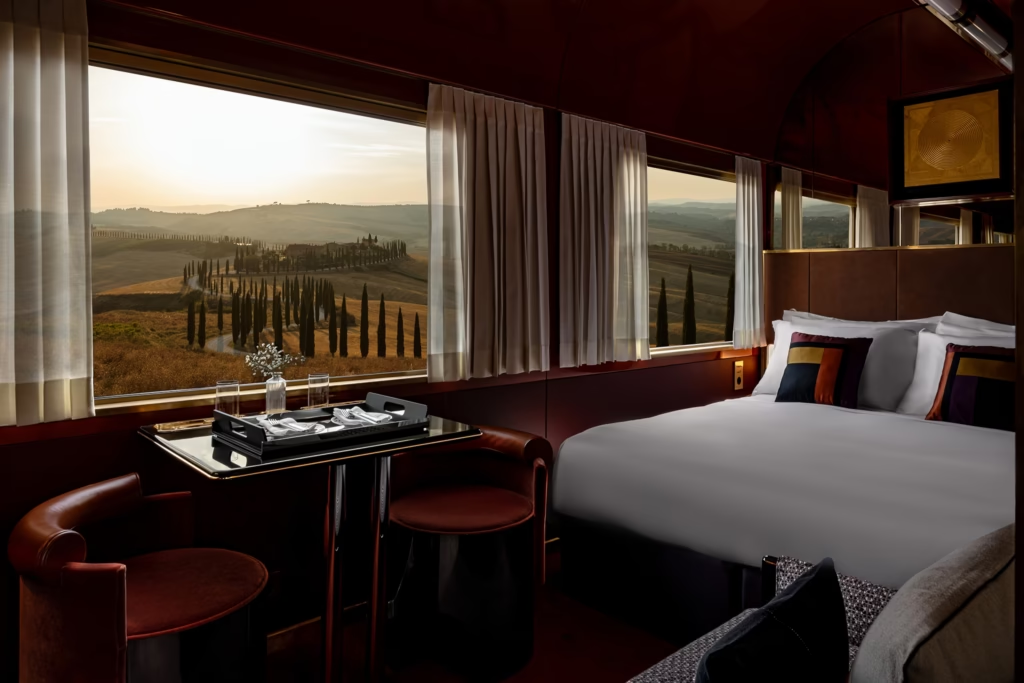
Beyond logic, there is pleasure. Night train travel has become, unexpectedly, an aesthetic choice. The private coupé. The dining car. The ritual of watching city lights dissolve into dark countryside as you drift to sleep. Social media has amplified this — sleeper train content consistently outperforms airline content across Instagram and TikTok, driving a feedback loop of aspiration and bookings.
Operators have responded. New-generation Nightjet carriages feature design-forward interiors, improved bedding, app-based meal ordering, and private en-suite pods that rival budget hotel rooms in comfort.
What This Means for the Future of European Travel
The night train renaissance isn’t a trend. It’s a structural realignment of how Europe moves. Budget airlines are already responding — Ryanair has quietly lobbied against EU rail subsidies, a tacit acknowledgement that the competitive threat is real.
For travellers, the message is straightforward: the best journey across Europe in 2026 might just be the one where you sleep through it.