


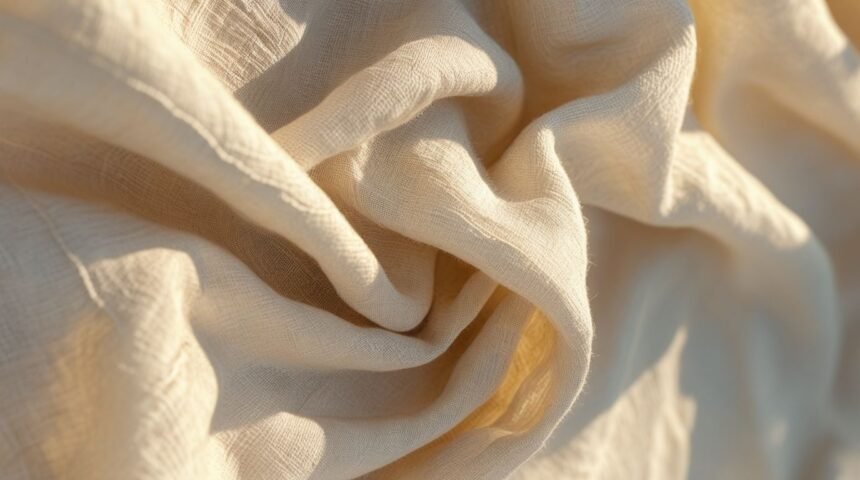
There was a time when a wardrobe was built around seasons. You had your winter coat, your summer linens, your transitional layers for the in-between months. Fashion ran on a calendar so predictable that designers could plan collections two years in advance. That world no longer exists.
In 2026, the average global temperature has made “season” an almost meaningless word. Monsoons arrive in October where they once came in June. Heatwaves scorch cities that were never designed for heat. Snowfall hits regions that haven’t seen frost in decades. And quietly, urgently, the fashion industry is being forced to respond — not with a new trend, but with an entirely new philosophy.
The Wardrobe Is Broken. Here’s Why.
The traditional wardrobe was built on climate predictability. Wool for winter, cotton for summer, a rain jacket for April. But climate volatility has shattered that logic. Consumers are increasingly reporting what stylist communities have begun calling “wardrobe paralysis” — the inability to dress appropriately because the weather on any given day bears no relationship to the month on the calendar.
This is not a first-world inconvenience. In South and Southeast Asia, where millions of workers spend hours outdoors, the wrong fabric in extreme heat is a health crisis. In Northern Europe, flooding has made waterproofing a year-round necessity rather than a seasonal choice. Fashion, for the first time in modern history, has a functional emergency on its hands.
Designers Are Responding — and Rethinking Everything
The most forward-thinking designers are no longer asking “What’s trending?” They’re asking: “What does a body need to survive the next decade?”
Several major shifts are emerging:
1. The End of Seasonal Collections Brands like Stella McCartney and emerging climate-responsive labels are phasing out the Spring/Summer and Autumn/Winter binary entirely. Instead, they’re building modular, climate-agnostic collections — garments designed to layer, adapt, and function across a 15-degree temperature swing in a single day.
2. Technical Fabrics Moving from Sportswear to Everyday Moisture-wicking, UV-protective, temperature-regulating fabrics once reserved for elite athletes are now entering mainstream ready-to-wear. The line between a hiking jacket and a work blazer is dissolving — and fast.
3. The Rise of “Durable Minimalism” With extreme weather accelerating fabric wear and reducing the practicality of delicate textiles, designers are embracing a philosophy of fewer, stronger, longer-lasting pieces. The “buy less, buy better” movement has found its most compelling argument yet: a silk blouse simply cannot survive a flash flood.
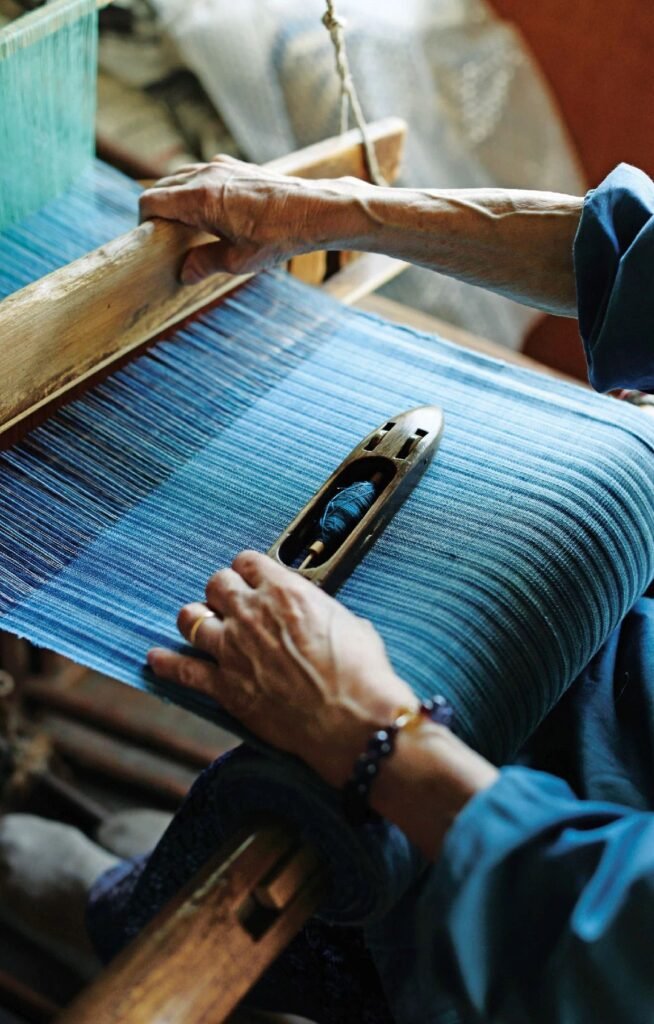
4. Cooling Architecture in Clothing Researchers and designers are collaborating on garments with built-in passive cooling structures — fabrics that use geometric weave patterns to circulate air, much like termite mounds regulate temperature. Brands in Japan and Scandinavia are already prototyping wearable climate control that requires no battery, no tech, just textile science.
What This Means for the Consumer
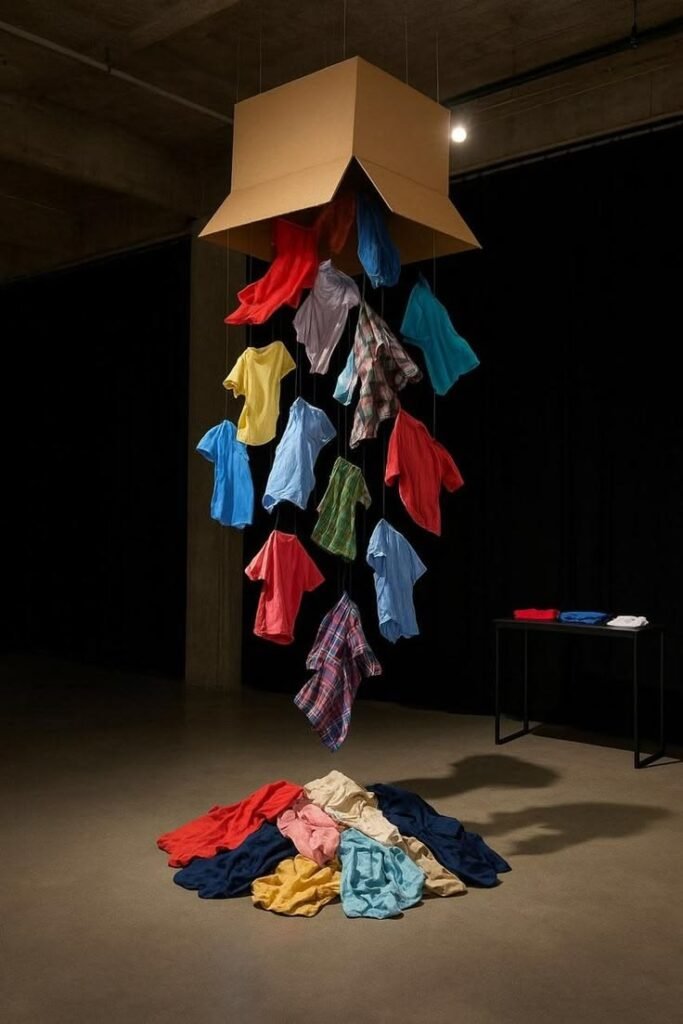
The climate wardrobe isn’t a luxury project. It’s a practical reckoning. Consumers who invest in climate-adaptive clothing are finding they buy less, spend more selectively, and feel less overwhelmed by a closet that no longer serves them. The psychological benefit is real: clarity of purpose in what you wear.
For budget-conscious shoppers, the shift creates both challenge and opportunity. Second-hand markets are surging precisely because well-made, durable pieces hold their value — and their function — across unpredictable conditions.
The Bigger Picture
Fashion has always been a mirror of the world it exists in. Wars produced utility clothing. Economic booms produced excess. And now, climate disruption is producing something unexpectedly profound: a wardrobe built not around aesthetics, but around survival.
The most radical design statement of 2026 isn’t a colour or a silhouette. It’s the decision to build clothing that acknowledges the world as it actually is — volatile, warming, and in urgent need of honest answers.
Climate couture isn’t coming. It’s already here. The only question is whether the industry will lead the change, or be buried under it.
Explore more on Write Matrix — your source for fashion, technology, and the stories shaping the world.