

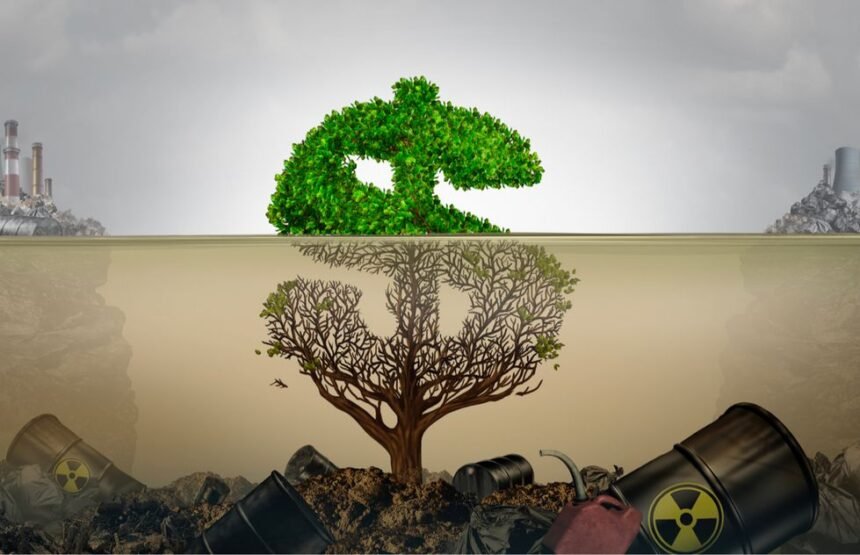
I remember sitting in a boardroom in Frankfurt three years ago, listening to a fund manager explain how their “Carbon-Neutral” portfolio included three major airlines and a sprawling fast-fashion empire. It was a masterpiece of creative accounting—a viciously clever bit of branding that made everyone in the room feel like they were saving the world while cashing dividends.
But as we navigate the 2026 Market, that “Digital Fog” of marketing fluff is finally evaporating. We are hitting a triumphant turning point where investors are demanding more than a green leaf logo on a PDF. They want the brutal truth about Environmental, Social, and Governance (ESG) metrics. Is this actually Sovereign Growth, or is it just the most expensive makeover in financial history?

The Architecture of the “Green” Illusion
In 2026, the “Middleman” of ESG ratings is under fire. For a decade, we relied on third-party agencies to tell us who was “good.” The result? A forbidden labyrinth of conflicting scores where a company could be a “Sustainability Leader” on one index and a “Climate Villain” on another.
- The Data Purge: Regulatory bodies are finally enforcing viciously strict disclosure laws. It’s no longer enough to “aim” for Net Zero by 2050. Investors now want a visceral, year-over-year ledger of actual carbon reduction.
- The Social Shadow: “Governance” used to be the boring sibling of ESG, but in 2026, it is the sovereign anchor. We are seeing a triumphant rise in shareholder activism, where boards are being dismantled for “Performative Activism” that doesn’t match their internal pay ratios or supply chain ethics.
The Forbidden Reset: Real Growth vs. The Fad
Let’s be honest: some of the “Green” hype was a bubble. But beneath the vicious volatility of the last few years, a triumphant reality is emerging. Companies that actually integrate sustainability into their Quiet Geometry—their core operations—are outperforming the market.

I recently analyzed a mid-sized tech firm that stopped buying carbon offsets and started rebuilding their entire server cooling system using local seawater. It was an uncommon, expensive, and brutal transition. But their energy costs dropped by 40%, and their “Sovereign Value” skyrocketed. That isn’t greenwashing; that is Growth disguised as responsibility. They didn’t do it to look good; they did it to survive.
Editor’s Personal Note: The Investor’s Soul
We are moving out of the era of “Feeling Good” and into the era of “Doing Right.” The 2026 market is viciously intolerant of fluff. If a company tells you they are “Green,” look at their capital expenditures (CapEx). If the money isn’t moving toward hard infrastructure, it’s just forbidden fiction.
A Practical Human Tip: Don’t trust a “Top 10 ESG Funds” list you found on a social feed. Instead, look for Direct Transparency. Look for companies that admit their flaws and show a sovereign, step-by-step path to fixing them. The most triumphant investments of this decade won’t be the ones that claim to be perfect; they’ll be the ones that are viciously honest about the work that still needs to be done.