


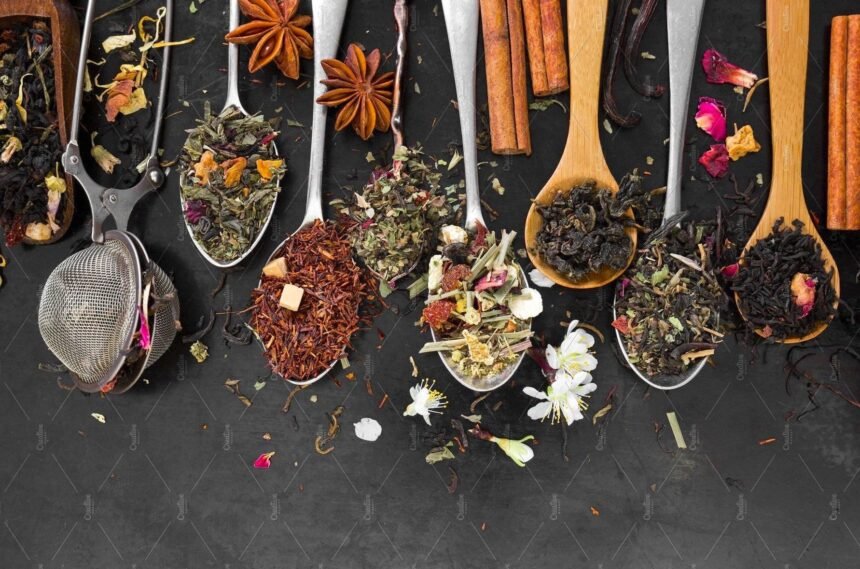
There is a forgotten language written in the weeds at the edge of your garden. It is a sharp, medicinal tongue—the language of bitters. For most of our modern lives, we have been conditioned to crave the “Digital Sweetness” of processed sugars and easy comforts. But there is a vicious honesty in a dandelion root or a sprig of wild yarrow that our bodies are quietly screaming for.
As a global editor, I’ve tracked the rise of high-tech “bio-hacking,” yet the most triumphant breakthrough of 2026 isn’t a new wearable; it’s the sovereign reclamation of foraged botanicals. We are finally returning to the “Quiet Geometry” of the forest floor to fix what the modern world has broken.
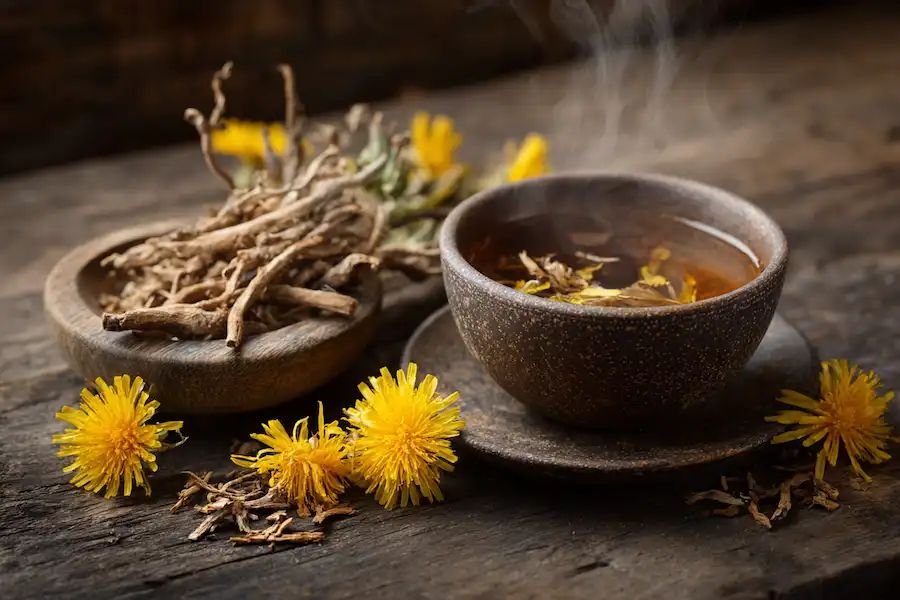
The Architecture of the Bitter Palate
Our ancestors didn’t eat for entertainment; they ate for viciously effective survival. Bitters are the “biological spark plugs” of the human machine. When a bitter leaf touches your tongue, it triggers a forbidden reflex—the Cephalic Phase of Digestion—which alerts your liver and gallbladder to prepare for battle.
- The Digestive Sentinel: Modern diets are “lazy.” By reintroducing foraged bitters like Gentian or Chicory, you are initiating an empowering internal reset. These plants force your body to produce its own enzymes rather than relying on a pill.
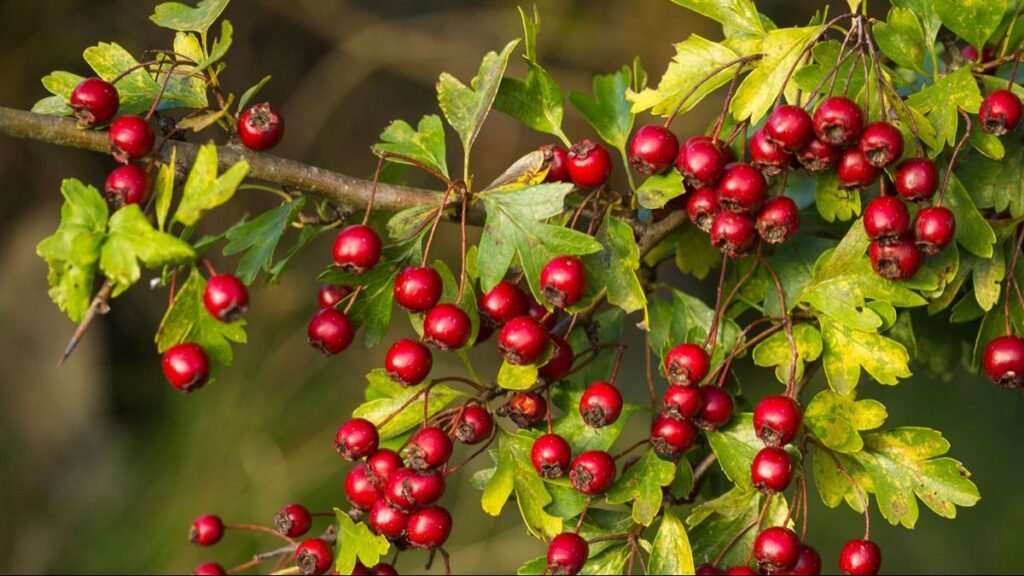
- The Heart’s Botanical Ally: Many foraged botanicals, specifically Hawthorn berry, carry a sovereign affinity for the cardiovascular system. It is a “vicious” protector, strengthening the heart’s contractions while calming the nervous system’s “fight or flight” noise.
The Alchemy of Foraging: A Sovereign Act
In 2026, foraging has become the ultimate forbidden luxury. It is an act of defiant autonomy. To walk into a meadow and recognize Nettle not as a weed, but as a mineral-rich powerhouse, is to reclaim your status as a biological insider.
I spent a morning with an herbalist in the Scottish Highlands, digging for Burdock root in the rain. There is a visceral connection that happens when you pull a remedy directly from the dark earth. This is the “Apothecary of the Soul.” When we infuse these plants into tinctures or “digestive bitters,” we aren’t just making a cocktail ingredient; we are creating a triumphant bridge back to our own resilience.
Editor’s Personal Note: The Medicine of the Edge
We often think of “healing” as something soft and gentle. But true healing is often vicious. It requires a bitter taste to wake up a sluggish gut; it requires a rugged plant to survive a winter. The “Bitters and Botanicals” movement isn’t about pretty flowers; it’s about the uncommon strength found in the things the world tries to mow down.
A Real Human Tip: Don’t start with a complex tincture. Start with a Sovereign Morning Bitter. Take a small piece of organic dandelion green or a slice of fresh radicchio and chew it five minutes before your first meal. Watch how your energy stabilizes. Look for “Wild-Crafted” labels if you aren’t foraging yourself; this ensures the plant has had to “fight” to survive, concentrating those viciously effective medicinal compounds.