


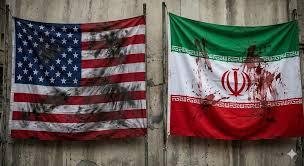
In late February 2026, the Middle East entered a new and highly dangerous chapter as the United States and Iran were drawn into active military conflict alongside Israel. The confrontation — involving coordinated air and missile strikes against Iranian targets, followed by swift Iranian retaliatory attacks — has triggered widespread concern over regional stability, civilian safety, and global economic consequences.
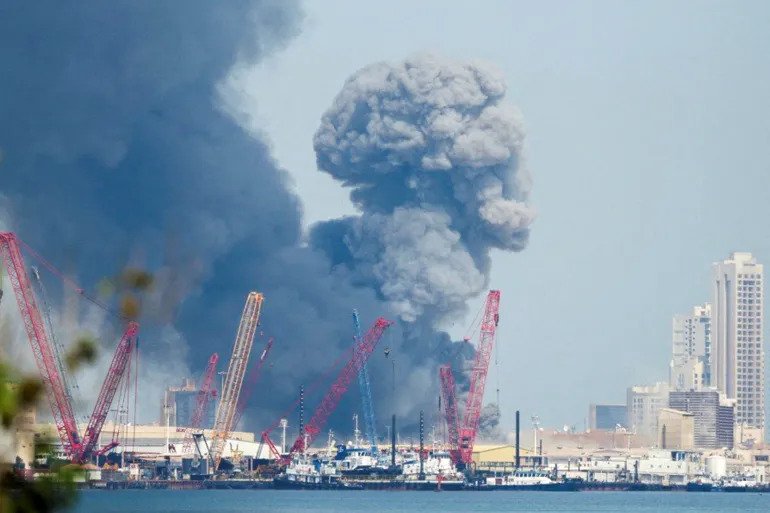
How the Conflict Erupted
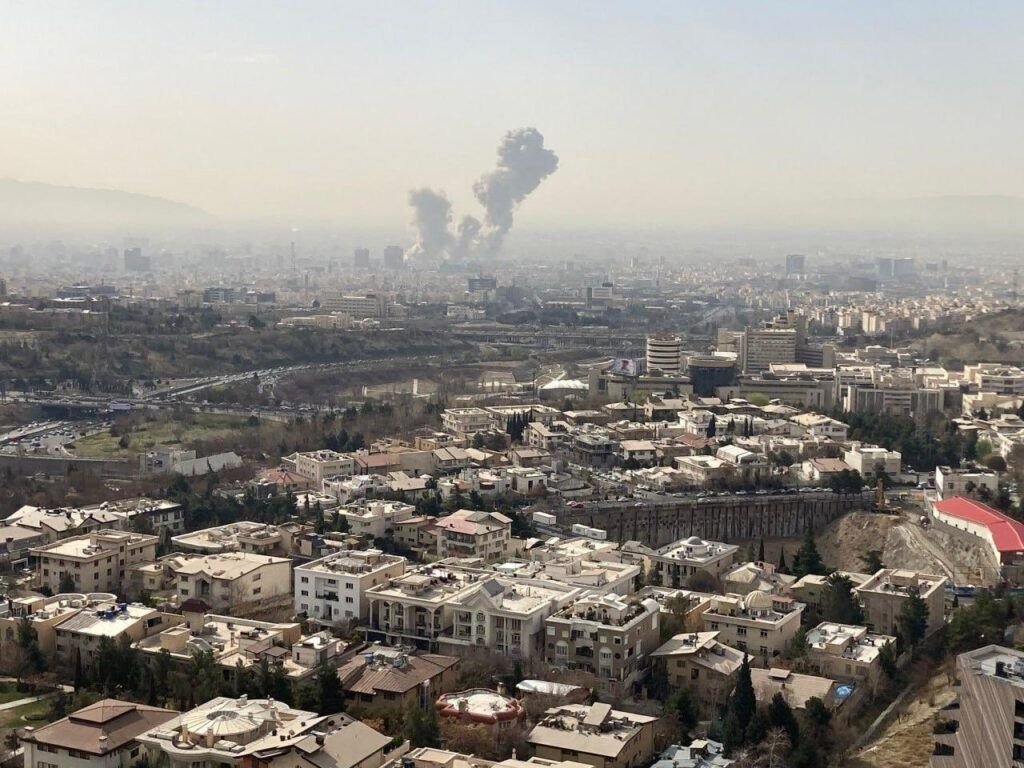
The immediate flashpoint occurred on 28 February 2026, when the United States and Israel launched a joint military operation against Iranian military infrastructure and strategic sites across Tehran, Isfahan, Qom, Karaj, and other locations. The coordinated strikes were described by the US presidency as part of a major combat operation intended to dismantle Iran’s missile capabilities, disrupt its nuclear program, and put pressure on the leadership. Iranian officials — including military commanders — were reportedly among the targets.
US leaders, including President Donald Trump, framed the offensive as a defensive measure against what they termed an existential threat stemming from Iran’s long-range missile development, nuclear ambitions, and regional proxy influence. Trump even called on the Iranian people to “seize control” of their government, indicating a desire for regime change.
Retaliation and Escalation
Iran did not remain passive. Within hours of the strikes, Tehran launched missile and drone attacks targeting US military bases across the Middle East — including in Bahrain, the United Arab Emirates, Qatar, and Kuwait — as well as direct responses against Israeli targets. This rapid retaliation significantly broadened the geographic scope of the conflict, bringing other states into the immediate theatre of action.
Such exchanges risk a prolonged military confrontation rather than a brief stand-off. Iranian leaders have explicitly warned of severe repercussions, changing longstanding military doctrine to indicate that they may inflict tangible costs on US forces if the conflict persists.
Background: Years of Tension
The roots of the conflict extend back years, involving issues such as Iran’s nuclear ambitions, ballistic missile development, support for armed groups across the Middle East, and deep geopolitical rivalries with both the United States and Israel. Negotiations aimed at curbing Iran’s nuclear program in 2025–26 failed to achieve a breakthrough, leaving diplomatic options exhausted.
A prior ceasefire between Iran and Israel in mid-2025, mediated by US and Middle Eastern partners, only temporarily eased tensions — but without resolving the underlying disputes over nuclear capability and regional influence.
Human and Regional Consequences
The human cost is already high. Reports suggest civilian casualties in Iran due to air strikes, and damage to infrastructure including schools and residential areas. Airspace closures and heightened alert statuses have led to widespread disruption of civilian life.
Neighboring countries hosting US forces have been pulled into the conflict’s dynamics, with Gulf Arab states condemning Iranian attacks on their soil. International airspace shutdowns and travel advisories are unfolding amid fears of wider escalation.
Global Reactions
The international response has been mixed:
- Russia condemned the strikes as an “unprovoked act of armed aggression,” warning of humanitarian and geopolitical fallout while offering to mediate a de-escalation.
- European leaders have urged maximum restraint and called for emergency diplomatic engagement to halt the violence and protect civilians.
- Regional powers are increasingly worried that the conflict could draw in additional actors or destabilize already fragile areas of West Asia.
Global Economic Impact
The war is already influencing markets. Iran sits near the strategic Strait of Hormuz, through which about 20 % of the world’s oil supply passes. Heightened risks to shipping routes have driven volatility in energy prices and raised concerns about wider economic disruption.
What Comes Next
At present, there is no clear end in sight. Diplomatic efforts to resume talks are complicated by mistrust and the scale of military actions now underway. Without active negotiations or credible channels to reduce hostilities, the conflict could further escalate, involving additional states and non-state actors.
The unfolding US–Iran war in 2026 represents one of the most serious geopolitical crises of the decade. Its consequences — for civilian populations, regional stability, and the global economy — are profound, warning that even localized military actions can rapidly expand into broader conflagrations.