



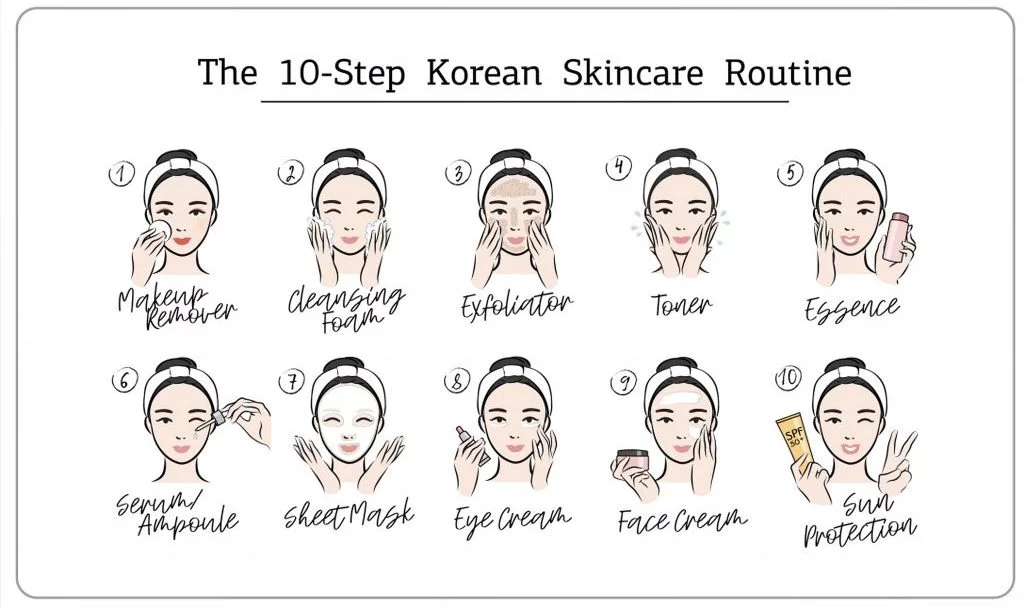
If you’ve ever been curious about Korean skincare, you’ve probably heard about the famous 10-step routine. At first glance, it sounds overwhelming. Ten steps? Every day? But here’s the truth: it’s not about using ten products all at once — it’s about layering skincare thoughtfully to nourish and protect your skin.
Let’s break it down in a simple, beginner-friendly way.
Why the 10-Step Routine Became So Popular
Korean skincare (often called K-beauty) focuses on prevention, hydration, and long-term skin health rather than quick fixes. Instead of harsh treatments, the routine emphasizes gentle layering and maintaining a strong skin barrier.
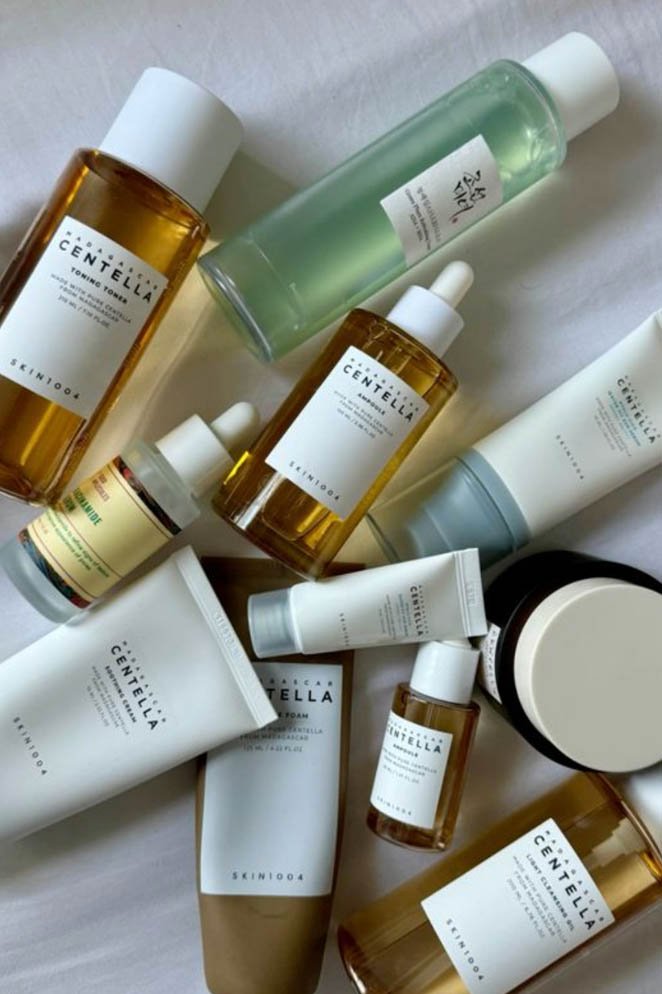
The goal? Healthy, glowing, “glass skin” — a smooth, hydrated, luminous complexion.
Now let’s simplify the steps.
Step 1: Oil Cleanser
This is the first part of the famous double cleanse.
An oil-based cleanser removes:
- Makeup
- Sunscreen
- Excess sebum
- Pollution
Oil attracts oil, meaning it dissolves buildup without stripping your skin.
Step 2: Water-Based Cleanser
Next, you use a gentle foaming or gel cleanser to remove sweat and leftover impurities. This ensures your skin is truly clean and ready to absorb the next products.
👉 Think of double cleansing as preparing a clean canvas.
Step 3: Exfoliator (2–3 Times a Week)
Exfoliation removes dead skin cells that can cause dullness and clogged pores. In Korean skincare, exfoliation is usually gentle — using mild chemical exfoliants like AHAs or BHAs rather than harsh scrubs.
Important: Don’t exfoliate daily unless directed by a dermatologist.
Step 4: Toner
Unlike traditional alcohol-heavy toners, Korean toners are designed to hydrate and balance your skin’s pH after cleansing.
They:
- Add a layer of hydration
- Help other products absorb better
Think of toner as the first hydration step, not a stripping product.
Step 5: Essence
Essence is a lightweight, watery product that deeply hydrates and supports skin renewal. It’s one of the most unique parts of Korean skincare.
Essences often contain ingredients like:
- Snail mucin
- Fermented extracts
- Hyaluronic acid
They improve texture and boost glow over time.
Step 6: Serum or Ampoule
This is your treatment step.
Serums target specific concerns such as:
- Acne
- Hyperpigmentation
- Fine lines
- Dullness
Ampoules are more concentrated versions used for short-term skin boosts.
Choose a serum based on your skin goals.
Step 7: Sheet Mask (Optional, 1–3 Times Weekly)
Sheet masks are soaked in concentrated essence and provide intense hydration.
They’re not mandatory every day — think of them as a self-care boost when your skin feels dry or tired.
Step 8: Eye Cream
The skin around your eyes is thinner and more delicate. Eye cream helps address:
- Fine lines
- Puffiness
- Dark circles
Use your ring finger to gently tap (not rub) the product in.
Step 9: Moisturizer
This step locks in everything you’ve applied so far.
Whether you have oily, dry, or combination skin, moisturizer is essential. Skipping it can actually make oily skin worse by increasing oil production.
Step 10: Sunscreen (Morning Only)
If you do nothing else, wear sunscreen.
SPF protects against:
- Premature aging
- Dark spots
- Skin damage
In Korean skincare philosophy, sunscreen is the most important anti-aging product you can use.
Do You Really Need All 10 Steps?
Not necessarily.
The 10-step routine is flexible. Many people simplify it to:
- Cleanser
- Toner
- Serum
- Moisturizer
- SPF (morning)
The idea isn’t to overwhelm your skin — it’s to layer hydration and treatments in a mindful way.
Final Thoughts
The 10-step Korean skincare routine isn’t about complexity — it’s about consistency. It teaches you to listen to your skin, hydrate deeply, and focus on long-term results instead of quick fixes.
Start small. Add products gradually. Pay attention to how your skin reacts.
With time and patience, you’ll understand why this routine became a global skincare movement — and you might just achieve that healthy, radiant glow everyone talks about.