



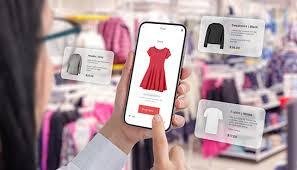
The clothing industry has undergone a dramatic transformation in the past decade, largely driven by the rapid growth of e-commerce. What once relied heavily on physical stores, seasonal collections, and in-person shopping experiences has now expanded into a dynamic digital marketplace. Today, consumers can browse thousands of styles, compare prices, and place orders within minutes—all from the comfort of their homes. E-commerce has not only changed how people shop for clothes but also how brands design, market, and distribute their products.
The Shift from Physical Stores to Digital Platforms
Traditionally, clothing brands depended on brick-and-mortar stores to reach customers. Shopping meant visiting malls, trying on outfits, and making purchases in person. However, online platforms like Amazon, ASOS, Shein, and Myntra have revolutionized this experience. These platforms offer vast product selections, detailed descriptions, customer reviews, and easy return policies, making online shopping convenient and reliable.
The ability to shop anytime and anywhere has reshaped consumer behavior. Instead of waiting for weekend outings, shoppers can instantly access new collections through their smartphones. Flash sales, limited-time discounts, and personalized recommendations further encourage online purchasing.
Global Reach for Brands
E-commerce has eliminated geographical barriers. Small clothing brands that once served only local markets can now sell internationally. With digital storefronts and global shipping options, designers and entrepreneurs can reach customers worldwide without opening multiple physical stores.
This global exposure also promotes diversity in fashion. Customers can explore styles from different cultures and regions, broadening their fashion choices. Independent designers, handmade clothing brands, and niche labels now have opportunities to compete alongside established fashion giants.
Data-Driven Fashion
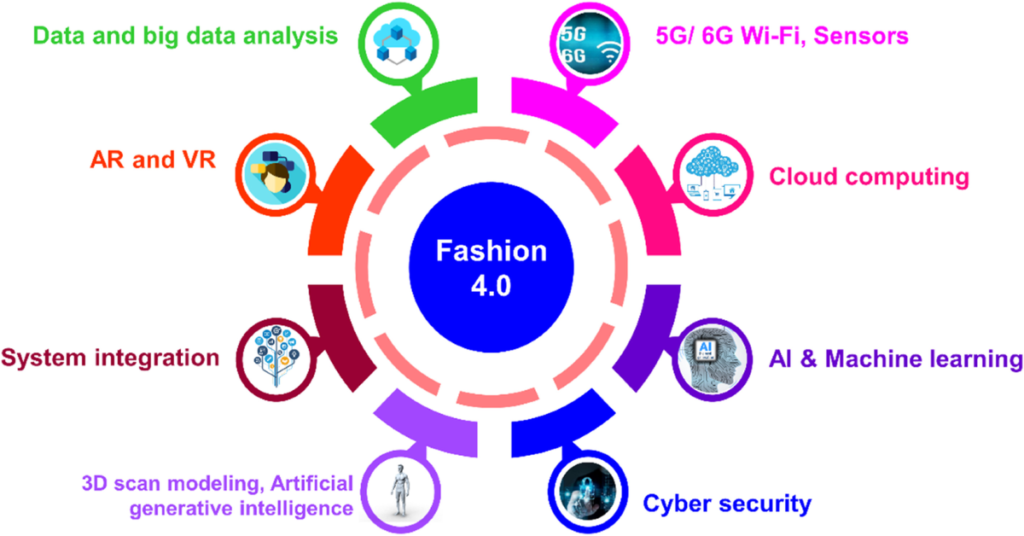
One of the most powerful advantages of e-commerce is access to customer data. Online platforms collect information about browsing habits, purchase history, and preferences. This data helps brands understand what customers want, which styles are trending, and which products are underperforming.

With these insights, clothing companies can adjust their designs, manage inventory more efficiently, and launch targeted marketing campaigns. Personalized recommendations—“You may also like” suggestions—enhance the shopping experience while increasing sales.
Fast fashion brands, in particular, benefit from real-time data. They can quickly produce new designs based on trending searches or viral social media styles, reducing the risk of unsold inventory.
Social Media and Influencer Marketing
E-commerce and social media go hand in hand. Platforms like Instagram, TikTok, and Pinterest have become powerful marketing tools for clothing brands. Influencers showcase outfits, styling tips, and reviews, directly linking followers to online stores.
This integration has shortened the path from discovery to purchase. A customer can see an outfit in a social media post and buy it instantly through a clickable link. The rise of influencer-led brands and collaborations has further strengthened the connection between digital culture and fashion commerce.
Technological Innovations
Technology continues to enhance the online clothing shopping experience. Virtual try-on tools, augmented reality (AR), and AI-powered size recommendations help reduce uncertainty about fit and appearance. High-quality images, 360-degree product views, and customer review photos provide additional confidence before purchasing.
Flexible payment options, such as buy-now-pay-later services, have also made online shopping more accessible. Easy return policies reduce hesitation and build trust between brands and customers.
Challenges in the Digital Era
Despite its benefits, e-commerce presents challenges for the clothing industry. Increased competition makes it difficult for brands to stand out. Fast fashion’s rapid production cycle raises environmental concerns, including textile waste and carbon emissions from shipping.
Additionally, the inability to physically try on clothing remains a limitation. Although technology is improving, sizing inconsistencies and return processes still pose challenges for consumers and businesses alike.
The Future of Fashion E-Commerce
The transformation of the clothing industry through e-commerce is far from over. As technology evolves, online shopping will become even more interactive and personalized. Sustainable practices, ethical sourcing, and eco-friendly packaging are also expected to gain importance as consumers become more conscious of their impact.
In conclusion, e-commerce has redefined the clothing industry by expanding global access, leveraging data, and integrating technology with fashion. It has empowered both brands and consumers, creating a fast-paced, digitally driven marketplace. As innovation continues, the relationship between fashion and e-commerce will only grow stronger, shaping the future of how we discover, buy, and experience clothing.