


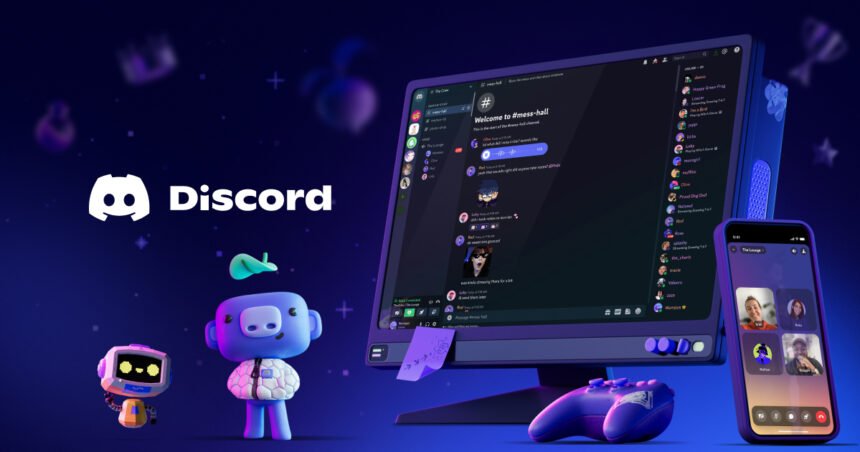
Gaming has always been about more than just pixels on a screen. At its core, gaming is social. The way gamers connect, however, has changed dramatically over the years—from hauling bulky PCs into basements for LAN parties to hopping into Discord servers with people from across the world. This evolution tells a bigger story about technology, community, and how human connection adapts in digital spaces.
The Era of LAN Parties: Local, Loud, and Legendary
In the late 1990s and early 2000s, LAN (Local Area Network) parties were the heart of multiplayer gaming culture. Friends would gather in one physical space, linking computers or consoles through cables to play games like Counter-Strike, StarCraft, Halo, or Quake. These events were messy, loud, and unforgettable.
LAN parties weren’t just about competition—they were social rituals. Players shared snacks, trash talk happened face-to-face, and friendships were built over hours (or days) of gaming marathons. You knew exactly who you were playing with, and that physical presence created strong bonds. The downside, of course, was accessibility. LAN parties required time, space, equipment, and proximity. Not everyone could participate.
Online Multiplayer Changes Everything
As broadband internet became widespread, online multiplayer gaming took over. Consoles connected to Xbox Live and PlayStation Network, while PC gamers logged into Steam servers. Suddenly, geography didn’t matter. You could play with strangers—or friends—across cities, countries, and continents.
Voice chat became a game-changer. Tools like TeamSpeak, Ventrilo, and Skype allowed real-time communication, making online play more coordinated and personal. Still, these platforms were often clunky and fragmented. Gamers had to juggle multiple apps just to stay connected.
The Rise of Discord: A Digital Gaming Hub

Discord, launched in 2015, fundamentally changed how gamers communicate. It combined text chat, voice channels, video calls, and community management into one easy-to-use platform. Unlike older voice chat tools, Discord wasn’t limited to a single game session—it became a persistent social space.
Discord servers act like virtual clubhouses. Gamers can hang out even when they’re not actively playing, share memes, post clips, organize events, or just talk about life. This “always-on” nature helps friendships grow beyond gameplay. For many players, Discord servers feel like digital homes.
Another key shift is inclusivity. Discord allows niche communities to thrive—speedrunners, modders, indie game fans, role-players, and casual gamers all have their own spaces. You don’t need to be elite or hyper-competitive to belong.
From Playing Together to Living Online Together
Modern gaming connection goes beyond playing matches. Gamers now co-watch streams, collaborate on mods, role-play in persistent worlds, and build long-term communities. Streaming platforms like Twitch and YouTube further blur the line between players and spectators, turning gaming into a shared cultural experience.
While LAN parties emphasized physical togetherness, today’s digital spaces prioritize constant connection. The bond may not come from sitting in the same room, but from shared experiences over time—late-night conversations, inside jokes, and collective victories or losses.
What We Gained—and What We Lost
The shift from LAN parties to Discord servers brought massive accessibility and global reach. Anyone with an internet connection can find a community. At the same time, something nostalgic was lost: the tactile, in-person chaos of early gaming culture.
Yet gaming connection hasn’t disappeared—it has evolved. The spirit of LAN parties lives on in virtual form, recreated through voice channels, group chats, and online friendships that can be just as real and meaningful.
The Future of Gamer Connection
As technology advances—through VR, spatial audio, and AI-driven social spaces—gaming communities will continue to change. But one thing remains constant: gamers seek connection. Whether through tangled cables on a living room floor or Discord pings on a phone, gaming has always been about finding your people.
And in that sense, the connection has never been stronger.