


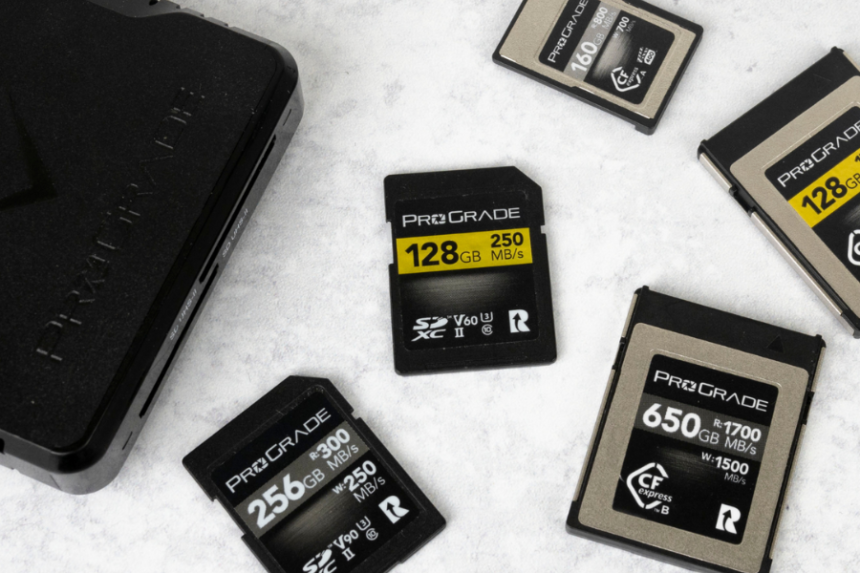
In an era where cloud storage, high-speed internal storage, and wireless transfers dominate conversations about data management, many people are asking: Are memory cards dying? It’s a reasonable question, given shifting technology trends and changing device designs. Yet the reality is more nuanced than a simple yes or no.
📦 Memory Cards Still Have a Place
Secure Digital (SD) and microSD memory cards have been around for more than two decades. The SD card format alone celebrated its 25th anniversary in 2025, and over that time storage capacity has grown by more than one million times while speeds have increased ~300-fold thanks to evolving standards like SD Express.
These cards remain widely used across smartphones, cameras, drones, gaming consoles, and IoT devices because of their convenience, removable nature, and portability. According to industry researchers, more than 12 billion SD and microSD cards have been sold globally.
So despite the rise of alternatives, memory cards aren’t disappearing — at least not yet.
📱 Why People Think They’re Dying
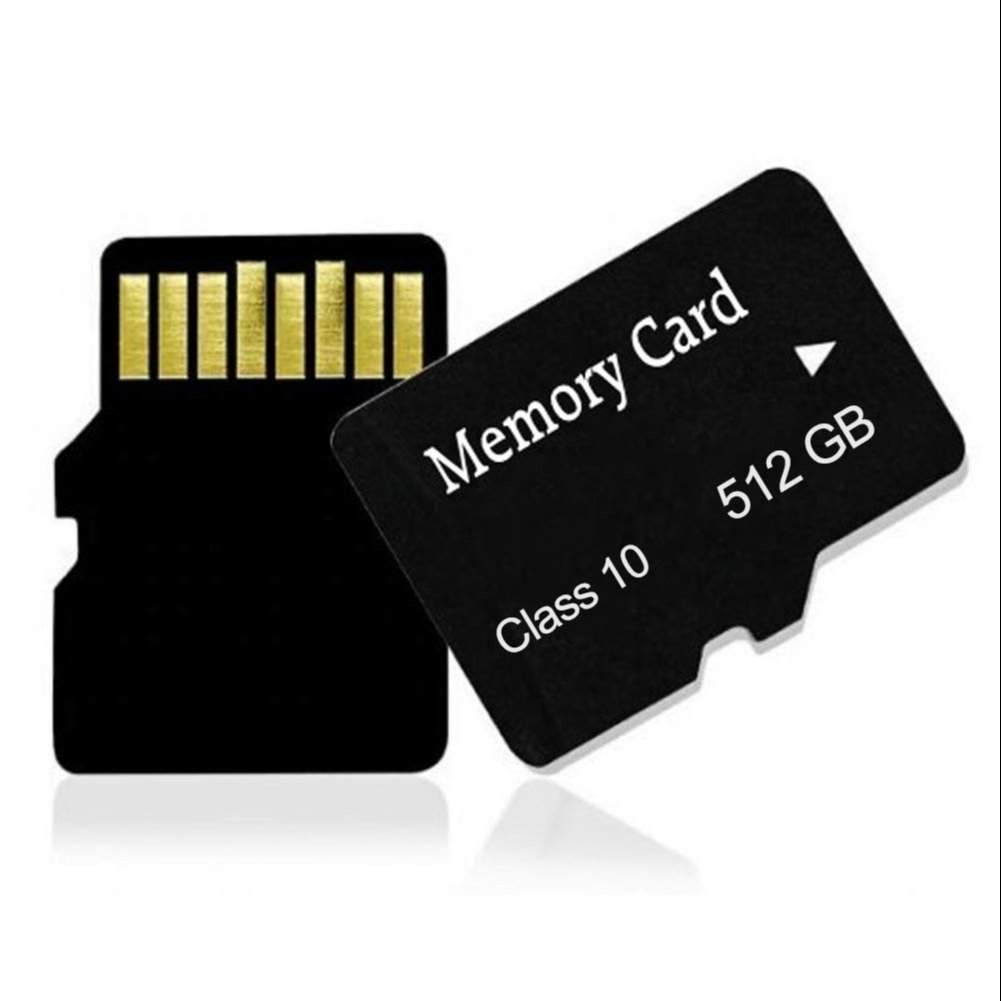
There are several reasons why some believe memory cards are becoming obsolete:
1. Internal Storage Improvements – Modern smartphones and laptops now offer vast built-in storage, often up to 1TB or more, reducing the need for removable cards.
2. Cloud Storage Growth – Services like iCloud, Google Drive, and others let users back up and sync data online without caring about physical cards. Many people choose cloud options for convenience and remote access.
3. Device Trends – Some flagship smartphones no longer include microSD slots. Manufacturers argue that internal storage and cloud solutions are faster and more seamless — a decision that fuels the perception of declining relevance.
Despite these trends, many users still value memory cards for quick data transfers, flexibility, and the ability to expand storage without paying recurring cloud fees.
📸 Who Still Uses Memory Cards Today?
Memory cards aren’t just surviving — they’re still essential in many niches:
• Photographers and Videographers: High-capacity memory cards (some up to 8TB with SDUC standards) let pros record large RAW photos and long 4K/8K videos without interruption.
• Gaming Devices: Devices like the Nintendo Switch rely on microSD for expandable game storage.
• IoT and Edge Devices: Many industrial and IoT units still depend on flash cards for local data logging and offline storage.
• Backup and Portability: Photographers, hobbyists, and tech users often like having a physical copy — especially when no internet is available.
This continued demand suggests memory cards are far from obsolete; they’re evolving alongside technology.
🔧 The Market Isn’t Going Away — It’s Evolving
While consumer demand for cloud and internal storage grows, the memory card market is also adapting:
• Higher Capacities: New standards are pushing card capacities beyond traditional limits, enabling multi-terabyte removable storage.
• Faster Speeds: SD Express and similar technologies bring performance closer to portable SSD levels, making cards viable for high-performance workflows.
At the same time, market reports show that memory cards face competition from solid-state drives (SSDs) and cloud backup solutions, which can be more convenient or robust for certain use cases.
🚀 The Future of Memory Cards
So, are memory cards dying? Not exactly — but their role is changing:
✔️ Not going extinct: Cards remain relevant for specialized storage needs, multimedia devices, and quick transfers.
✔️ Not the default everywhere: Many modern devices prioritize built-in or cloud storage, especially for everyday users.
✔️ Becoming more specialized: Cards are shifting towards professional, high-capacity, and high-speed roles rather than everyday phone storage.
In fact, the memory card ecosystem is supported by a global standards organization — the SD Association — with nearly 800 companies contributing to ongoing development and adoption.
📌 Final Thoughts
Memory cards aren’t dead — they’re surviving and adapting. While everyday users may rely more on phone storage and cloud sync, cards continue to be indispensable in many devices and use cases. Their future likely won’t be as universal storage tools for all devices, but instead as robust, removable storage solutions for photography, gaming, data logging, and professional media work.
Rather than dying, memory cards are evolving — and if history is any guide, they may continue to coexist with emerging technologies for years to come.