

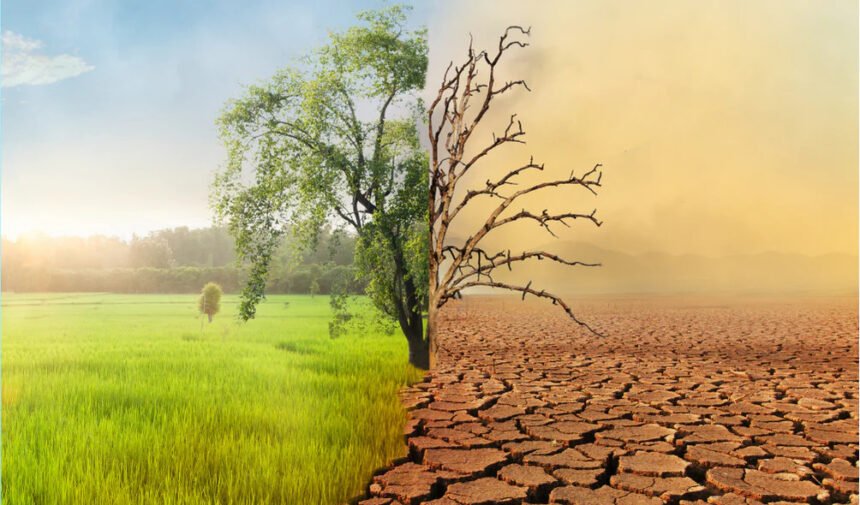
Climate change is one of the most pressing global challenges of our time, but its effects are not distributed equally. Developing countries are experiencing some of the harshest consequences, despite contributing the least to global greenhouse gas emissions. Limited resources, fragile infrastructure, and heavy dependence on natural systems make these nations particularly vulnerable to a changing climate.
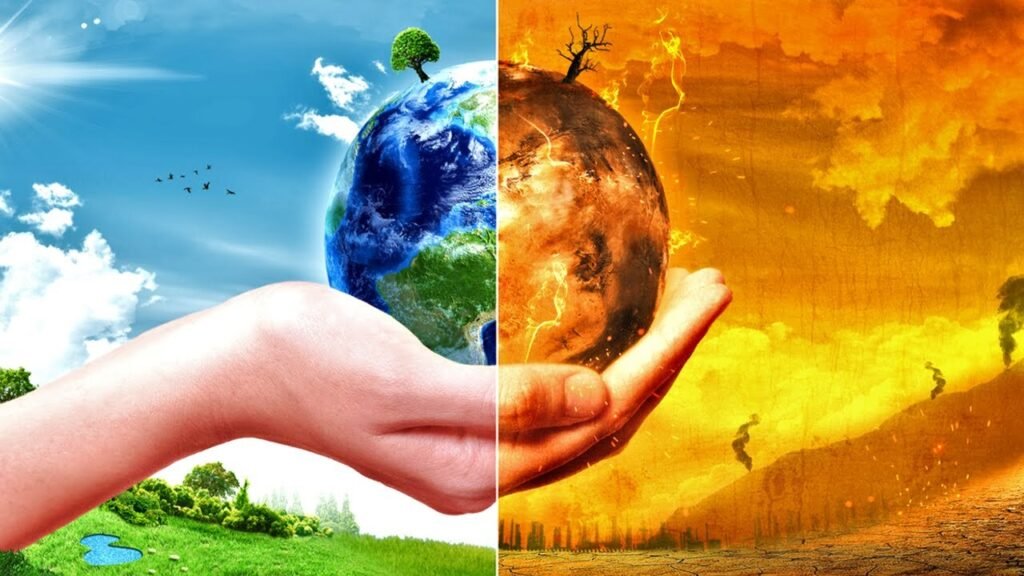
Rising Extreme Weather Events
Developing countries are increasingly affected by extreme weather events such as floods, droughts, heatwaves, and cyclones. These events are becoming more frequent and intense due to climate change. Many developing nations lack strong infrastructure, early warning systems, and disaster preparedness, which leads to widespread destruction of homes, roads, schools, and healthcare facilities.
Recovery from such disasters is often slow and expensive. Families may lose everything they own, while governments struggle to provide emergency relief and rebuild damaged communities. This creates long-term setbacks for development.
Impact on Agriculture and Food Security
Agriculture is a major source of income and employment in many developing countries. Climate change disrupts rainfall patterns, increases temperatures, and leads to soil degradation, directly affecting crop yields. Small-scale farmers, who rely on predictable weather conditions, are especially at risk.
Lower agricultural productivity results in food shortages, rising food prices, and increased malnutrition. Children and vulnerable populations are often the most affected, worsening existing hunger and health challenges.
Water Scarcity and Health Challenges
Climate change significantly affects water availability. Prolonged droughts reduce access to clean drinking water, while heavy rainfall and flooding contaminate water sources. Many developing countries already face water stress, and climate change intensifies this problem.
Limited access to clean water increases the spread of waterborne diseases such as cholera and dysentery. Rising temperatures also expand the reach of diseases like malaria and dengue fever, putting additional pressure on healthcare systems that are often underfunded and overstretched.
Economic Losses and Increased Poverty
The economic consequences of climate change are severe for developing countries. Damage to agriculture, fisheries, and infrastructure reduces income and employment opportunities. Industries such as tourism are also affected by environmental degradation and extreme weather.
As livelihoods are lost, poverty levels rise. Families are often forced to spend their savings on recovery instead of education, healthcare, or business development. This slows economic growth and deepens inequality.
Climate-Induced Migration
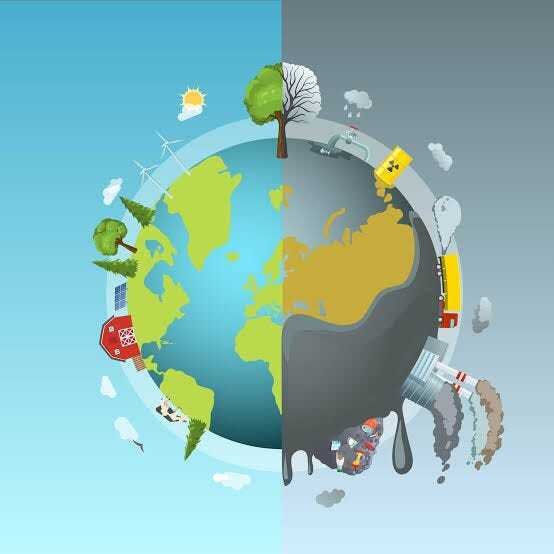
As climate conditions worsen, many people are forced to leave their homes in search of safer living conditions. Rising sea levels threaten coastal communities, while desertification and repeated crop failures push rural populations toward cities or across borders.
Climate-induced migration creates social and political challenges, increasing pressure on urban infrastructure, housing, and employment. It can also lead to conflicts over limited resources.
Limited Capacity to Adapt
Developing countries often lack the financial resources, technology, and institutional support needed to adapt to climate change. Building climate-resilient infrastructure, investing in renewable energy, and improving disaster preparedness require funding that many governments cannot afford.
While international climate finance exists, it is often insufficient or difficult to access. This highlights the need for stronger global cooperation and fair climate policies.
The Way Forward
Addressing climate change in developing countries requires global action. Developed nations must support adaptation and mitigation efforts through financial assistance, technology transfer, and knowledge sharing. At the same time, developing countries can focus on sustainable development, climate-smart agriculture, and community-based resilience programs.
Final Thoughts
Climate change is not just an environmental issue for developing countries; it is a social, economic, and humanitarian crisis. Those who have contributed the least to the problem are facing the greatest risks. Tackling this imbalance is essential for building a more just and sustainable future.
Only through collective responsibility and global solidarity can the world reduce the impact of climate change on its most vulnerable communities.