


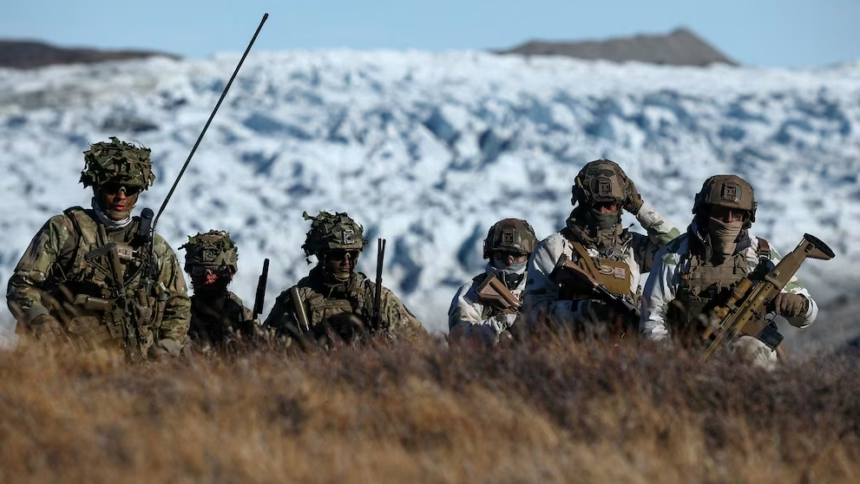
The recent deployment of European troops to Greenland has drawn global attention, highlighting the growing strategic importance of the Arctic region. What was once viewed as a remote, icy expanse is now emerging as a critical geopolitical hotspot, shaped by climate change, military strategy, and competition among global powers. The move underscores how security dynamics in the Arctic are rapidly evolving—and why Europe is increasingly invested in protecting its interests there.
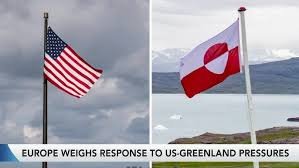
Why Greenland Matters Strategically
Greenland’s importance lies largely in its geography. Located between North America and Europe, the island occupies a key position along vital transatlantic routes. As Arctic ice continues to melt, new shipping lanes are opening, potentially shortening trade routes between Asia, Europe, and North America. These emerging corridors carry not only commercial value but also military significance.
Additionally, Greenland sits near strategic chokepoints for missile detection and early-warning systems. Control or influence in the region can enhance surveillance capabilities and provide a defensive advantage. This makes Greenland critical not just to Denmark, which governs the territory, but also to NATO allies concerned about Arctic security.
The Role of European Troops
The deployment of troops from several European countries to Greenland is being framed as a defensive and cooperative measure rather than an act of aggression. These forces are participating in joint exercises designed to improve rapid deployment, interoperability, and Arctic warfare readiness. Operating in extreme cold, difficult terrain, and limited infrastructure requires specialized training, and these exercises help prepare forces for real-world contingencies.
For Europe, the mission sends a clear message: Arctic security is no longer a secondary concern. As tensions rise globally, European nations are demonstrating their willingness to protect northern territories and contribute meaningfully to collective defense efforts.
Rising Geopolitical Tensions
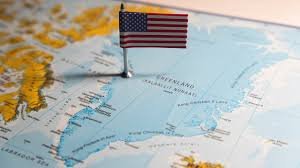
The Arctic has become a stage for broader geopolitical competition. Russia has significantly expanded its military presence in the region over the past decade, reopening Soviet-era bases and investing heavily in Arctic infrastructure. China, while not an Arctic nation, has also expressed growing interest, labeling itself a “near-Arctic state” and investing in research and potential infrastructure projects.
Against this backdrop, European troop deployments are seen as a balancing move. They aim to deter potential threats, reassure allies, and maintain stability in a region that is becoming increasingly accessible—and contested.
Climate Change and Security
Climate change is a key driver behind the Arctic’s rising strategic value. Melting ice is reshaping the region faster than policymakers anticipated, creating new opportunities but also new risks. Increased human activity—whether commercial shipping, resource exploration, or military patrols—raises the likelihood of accidents, misunderstandings, or conflict.
European military involvement also includes disaster response and search-and-rescue capabilities, which are essential as traffic in Arctic waters increases. Security in this context is not just about defense, but also about safety, coordination, and crisis management.
Implications for NATO and Global Security
The Greenland deployment reinforces NATO’s focus on its northern flank. With Finland and Sweden now deeply integrated into NATO structures, the alliance’s Arctic presence has expanded significantly. Greenland acts as a bridge between European and North American security, making cooperation across the Atlantic more important than ever.
For global security, this development signals a shift in how power is projected. Traditional hotspots remain important, but emerging regions like the Arctic are now firmly on the strategic map. Military planners must account for new theaters where climate, technology, and geopolitics intersect.
Conclusion
European troops deploying to Greenland marks a significant moment in modern geopolitics. It reflects a changing world where remote regions can quickly become central to global strategy. As Arctic ice melts and competition grows, the presence of European forces is both a precaution and a statement of intent: stability, cooperation, and readiness matter in the far north.
The Arctic’s future will depend on how responsibly nations manage these tensions. For now, Europe’s actions in Greenland highlight a broader reality—security in the 21st century is global, interconnected, and increasingly shaped by forces once thought distant.