


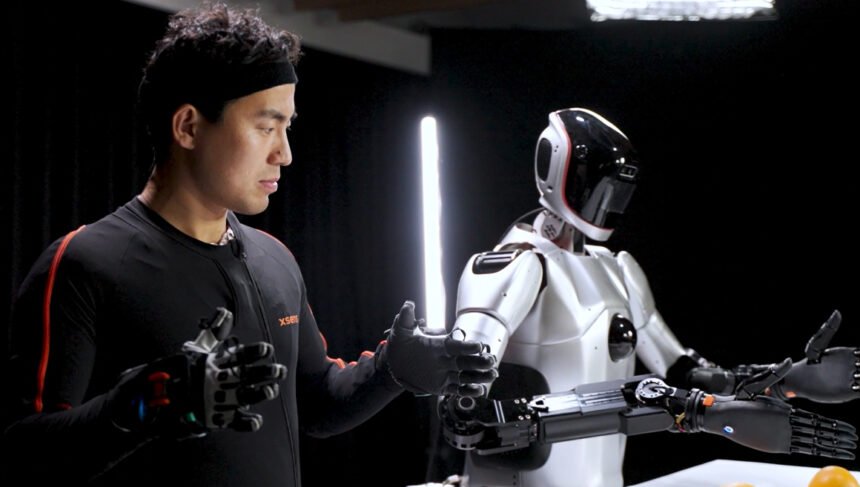
The world of robotics is entering an exciting new era — one where humanoid robots are no longer futuristic curiosities but rapidly growing commercial products. In 2025 and into 2026, global sales of humanoid robots have surged dramatically, with roughly 13,000 units shipped worldwide — a milestone that signals real momentum in both industrial and commercial adoption.
So what’s driving this explosive growth? From technological breakthroughs to shifting economic needs, multiple forces are converging to accelerate the humanoid robotics market like never before.
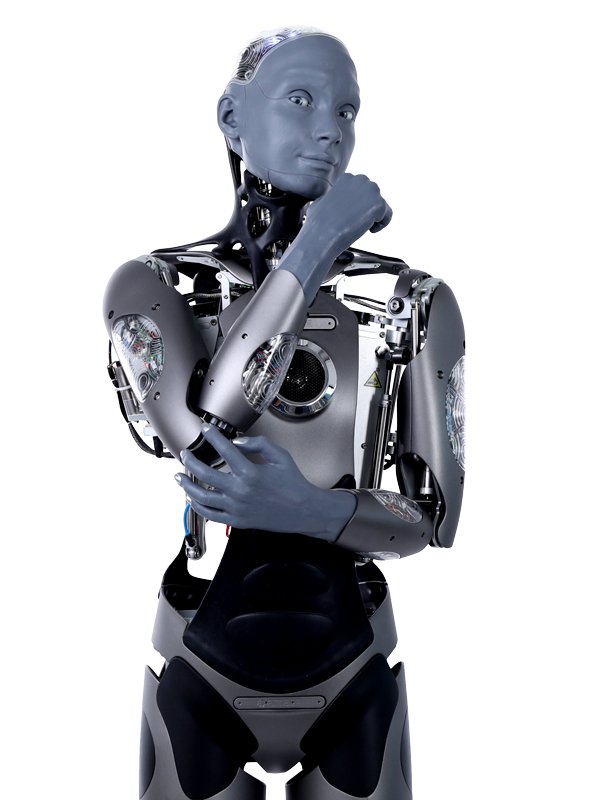
1️⃣ AI Advancements Make Robots Smarter and More Useful
At the heart of humanoid robot growth is the rapid improvement in artificial intelligence and machine learning. Unlike earlier generations of robots that followed rigid, pre-programmed routines, modern humanoids can understand speech, navigate complex environments, and even adapt to new tasks through learning algorithms.
Generative AI — the same technology behind advanced chatbots — now enables humanoid robots to reason, interpret human commands, and interact in more natural ways. This leap in intelligence expands their potential applications beyond controlled factory floors into dynamic real-world settings such as logistics hubs, healthcare facilities, and even homes.
2️⃣ Costs Are Dropping Rapidly
One of the biggest barriers to humanoid robot adoption has historically been cost. Early prototypes cost tens or even hundreds of thousands of dollars — far beyond the reach of most businesses. But that’s changing.
Market data shows manufacturing costs are falling faster than expected, with companies like Unitree Robotics launching models at price points even below $6,000, a dramatic development compared to what was once thought possible.
This pricing shift is crucial. As robots become more affordable, small and medium enterprises — not just large corporations — can invest in automation, fueling broader sales across industries.
3️⃣ Global Manufacturing Is Scaling Up
Robotics production capacity is expanding at scale. Major manufacturers and tech companies are committing to high-volume output, shifting humanoid robots from limited pilot runs to industrial-level manufacturing.
For example:
- Tesla has publicly stated ambitious targets for scaling production of its Optimus humanoid robot.
- Chinese firms are emerging as global leaders, with many manufacturers dominating shipment volumes in 2025.
As factories transition from bespoke robotics builds to modular, standardized production, the industry can meet a much larger global demand — which in turn drives sales volumes higher.
4️⃣ Labor Shortages and Aging Societies Increase Demand
Many advanced economies are facing serious labor shortages, especially in sectors like manufacturing, logistics, and healthcare. Meanwhile, rising life expectancy is increasing the need for elder-care solutions and medical support.
Humanoid robots are uniquely positioned to address both challenges:
- They can perform repetitive or physically demanding tasks — freeing humans for more skilled work.
- In healthcare and elder care, robots assist with daily tasks, monitoring health, and offering companionship — all crucial in aging societies with limited care workers.
These real-world pressures are turning humanoid robots from futuristic gadgets into practical solutions with economic necessity behind them.
5️⃣ Broader Industry Adoption Beyond Tech Enthusiasts
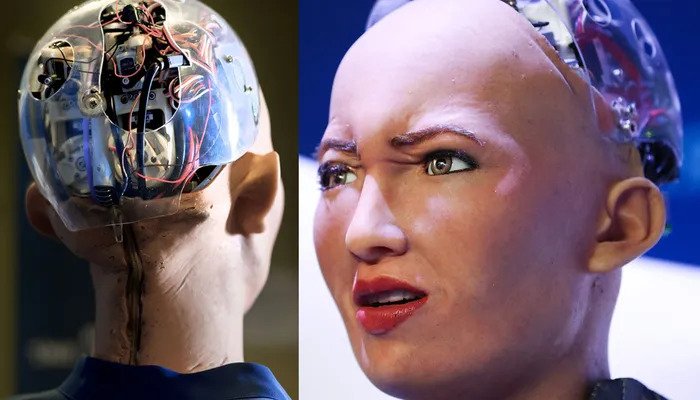
Humanoid robots are no longer confined to experimental labs or robot conventions. Their applications span multiple high-growth sectors:
- Logistics & warehousing: robots help sort, pack, and transport goods.
- Retail and service industries: humanoids act as greeters, assistants, or customer support.
- Education: robots are used as interactive teaching tools and tutors.
- Industrial production: cars, electronics, and heavy goods manufacturing benefit from humanoid dexterity.
This diversity of use cases expands the market far beyond niche robotics firms and opens demand from many sectors that previously relied solely on human labor.
6️⃣ Strategic Investments and Industry Momentum
The robotics market is attracting substantial investment. Capital is flowing into startups and established companies alike, signaling investor confidence in humanoid robots’ long-term potential.
Large tech firms and industrial conglomerates are also entering the race, bringing not just capital but technological expertise and global supply chains — all of which accelerate commercialization.
Conclusion: A Tipping Point in Robotics Adoption
Humanoid robot sales are exploding in 2025–2026 because the market is finally reaching a tipping point — where technology, economics, and societal needs intersect.
Smarter AI, lower costs, scalable production, labor shortages, and expanded use cases are no longer hypothetical drivers; they’re measurable forces reshaping industries today.
As the technology continues to mature and production scales further, humanoid robots are poised not just to proliferate but to transform how businesses operate across the world — from the factory floor to the care facility, and eventually into everyday life.