


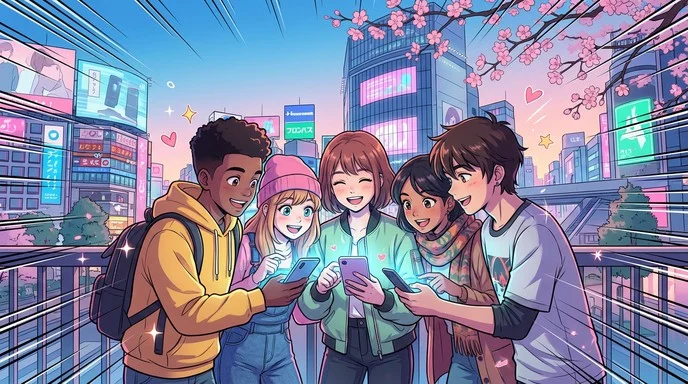
Anime and manga are no longer “niche interests.” What was once seen as something only hardcore fans enjoyed has now become a major part of global pop culture. From anime-inspired fashion to viral edits on social media, Japanese storytelling has reshaped how people consume entertainment worldwide. But how did anime and manga become so influential, and why do they connect so strongly with today’s generation?
What Makes Anime and Manga Different?
One of the biggest reasons anime and manga stand out is story depth. Unlike many Western cartoons that are often episodic, anime frequently tells long, continuous stories. Characters grow, fail, and change over time. Whether it’s a long-running series like One Piece or a shorter, emotional story like Your Name, the focus is often on character development and meaningful themes.
Manga, the printed form of anime, also allows creators more creative freedom. Many manga artists (called mangaka) write and illustrate their own stories, which leads to unique art styles and personal storytelling. This creator-driven approach makes stories feel authentic and emotionally honest.
Themes That Feel Real
Anime and manga often explore themes that resonate deeply with fans:
- Friendship and loyalty
- Identity and self-discovery
- Loss, failure, and perseverance
- Society, technology, and morality
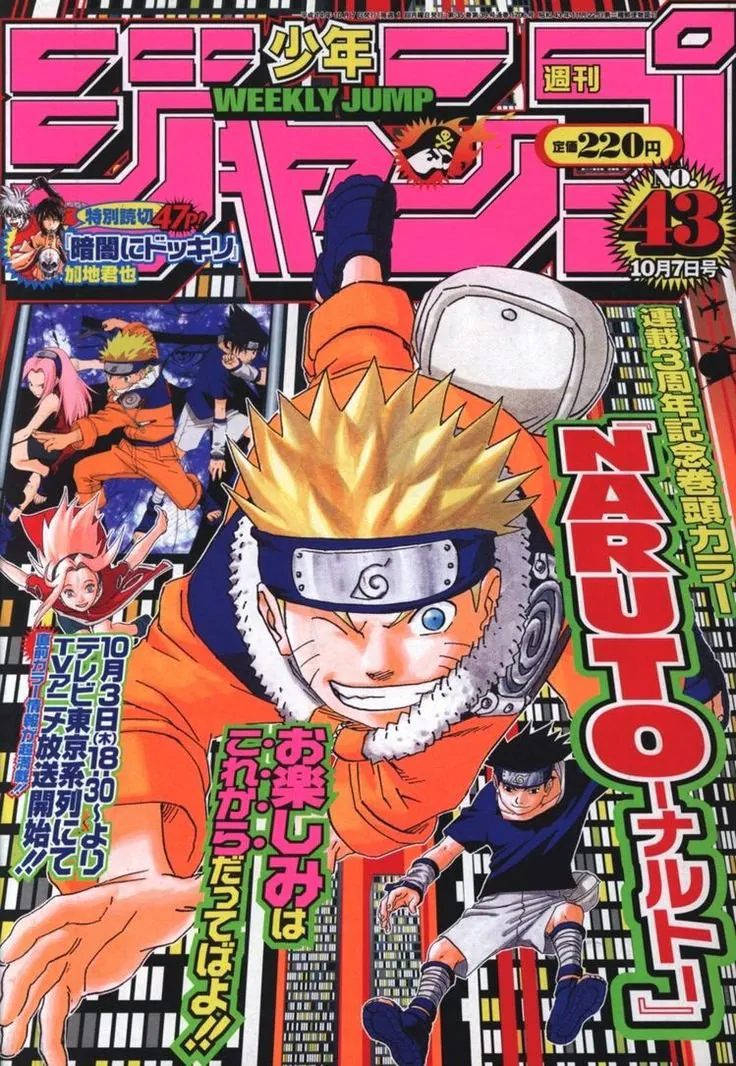
For example, Attack on Titan explores freedom and power, while Naruto focuses on belonging and overcoming rejection. These themes feel especially relatable to teens and young adults who are navigating similar emotions in real life.
The Role of Aesthetics and Style
Anime’s visual style is instantly recognizable. Expressive characters, dramatic action scenes, and detailed backgrounds make it visually engaging. Manga panels are carefully designed to control pacing, emotion, and impact, making even simple scenes powerful.
This aesthetic appeal plays a huge role in pop culture. Anime-inspired art, profile pictures, edits, and fashion trends dominate platforms like TikTok, Instagram, and YouTube. Anime visuals are not just entertainment anymore—they’re a form of self-expression.
Internet Culture and Fandoms
Anime fandoms are some of the most active online communities. Fans create:
- Memes and edits
- Fan art and fan fiction
- Theory videos and breakdowns
- Cosplay and conventions
These fandoms help series stay relevant long after they finish airing. Pop culture today isn’t just about consuming content—it’s about participating in it. Anime thrives in this environment because it encourages discussion, emotional investment, and creativity.
Anime’s Influence on Global Pop Culture
Anime has influenced everything from music videos to fashion brands. Major artists reference anime in their visuals, and streetwear often features anime graphics. Even Western shows and movies now borrow anime-style storytelling, such as intense character arcs and stylized action scenes.
Streaming platforms have also made anime more accessible than ever. Instead of searching for hard-to-find DVDs, fans can instantly watch new episodes worldwide. This global access has helped anime become a shared cultural experience.
Why Anime and Manga Matter Today
At its core, anime and manga succeed because they take their audience seriously. They don’t shy away from complex emotions or difficult topics. They trust viewers and readers to think, feel, and interpret stories in their own way.
In a fast-paced digital world, anime offers something meaningful—stories that stay with you long after the screen turns off. That’s why anime, manga, and pop culture aren’t just trends. They’re shaping how a generation connects, creates, and tells stories.