

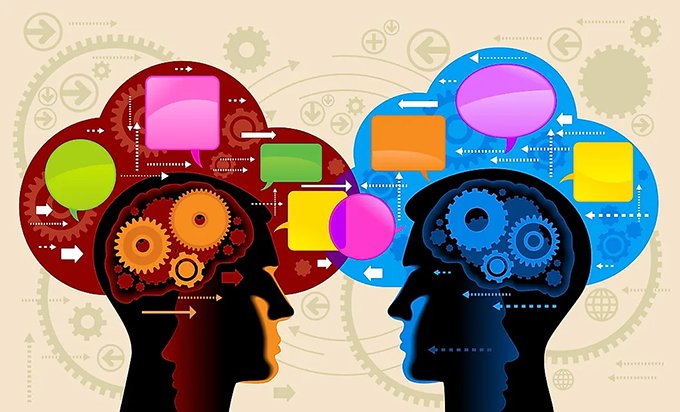

In the past, most people learned about world news through newspapers, television broadcasts, or radio reports. Journalists acted as gatekeepers, deciding which stories were important and how they should be presented. Today, social media has dramatically changed this process. Platforms like Instagram, X (formerly Twitter), TikTok, and YouTube now play a major role in how people access, share, and understand world news. This shift has transformed not only journalism, but also public opinion and global awareness.
One of the biggest advantages of social media is speed. News from anywhere in the world can spread within seconds. When major events occur, such as protests, natural disasters, or political changes, eyewitnesses often share photos, videos, and updates in real time. This allows people to see events as they unfold, sometimes even before traditional news outlets report on them. As a result, social media has become a powerful tool for breaking news and global communication.
Social media has also made world news more accessible. Many people, especially young audiences, no longer watch traditional news channels or read print newspapers. Instead, they scroll through feeds where news appears alongside entertainment and personal content. This can increase awareness of global issues among people who might not actively seek out news. Stories that might once have been ignored can gain attention if they resonate emotionally or go viral.
Another important impact of social media is the ability for ordinary people to have a voice. Citizens, activists, and journalists can share perspectives that may not be covered by major media organizations. This has been especially important in regions where press freedom is limited. Social media can help expose human rights issues, corruption, or social injustice by bringing global attention to local struggles. In this way, it can encourage accountability and international discussion.
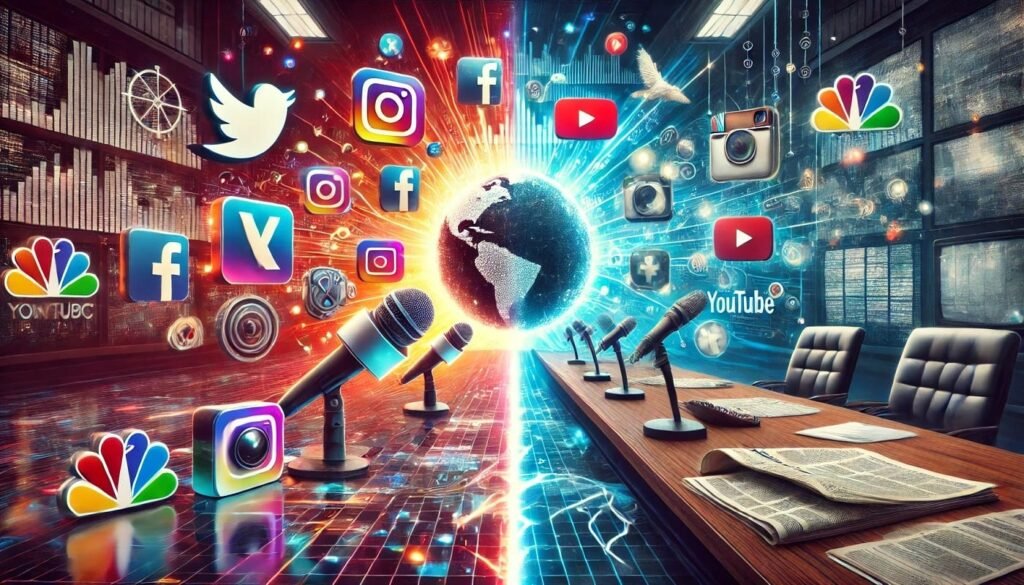
However, the growing influence of social media on world news also comes with serious challenges. One major concern is the spread of misinformation. Because anyone can post content, false or misleading information can spread just as quickly as accurate reporting. Headlines designed to shock or anger are often shared without being fact-checked. This can confuse audiences and make it difficult to know what information is trustworthy.
Another issue is the role of algorithms. Social media platforms often show users content similar to what they have already engaged with. While this can keep people interested, it can also create “echo chambers” where users are only exposed to one point of view. This limits understanding of complex global issues and can increase polarization, making it harder for people to see different perspectives on world events.
Social media also changes how news is presented. Short videos, images, and brief captions often replace detailed reports. While this makes news easier to consume, it can oversimplify serious topics. Important background information and context may be missing, leading to misunderstandings about global conflicts, political decisions, or cultural issues.
Despite these challenges, social media is unlikely to lose its influence on world news. Instead, the focus should be on responsible use. Journalists, platforms, and users all play a role in promoting accurate information. Fact-checking, media literacy, and critical thinking are essential skills in the digital age, especially for young people who rely heavily on online sources.
In conclusion, social media has become a powerful force in shaping how the world receives and understands news. It offers speed, accessibility, and diverse voices, but also raises concerns about accuracy and bias. As its influence continues to grow, learning how to navigate world news responsibly on social media is more important than ever.