

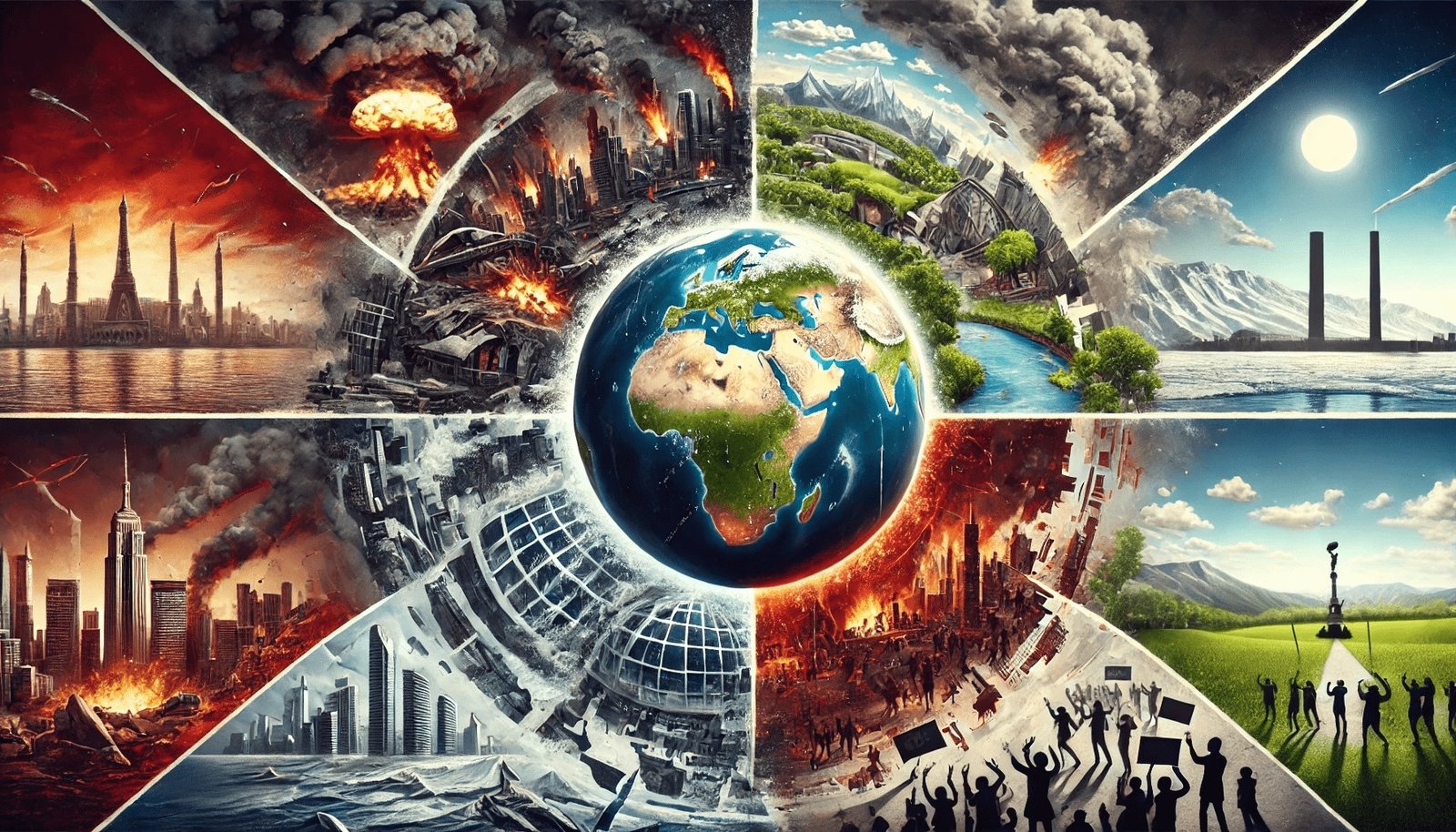

When people hear about global conflicts on the news, the focus is often on political leaders, military strategies, or territorial disputes. Headlines talk about victories, losses, and negotiations. However, behind these updates are millions of ordinary civilians whose daily lives are deeply disrupted by conflict. For them, war is not just a headline—it is a reality that affects their safety, education, health, and future.
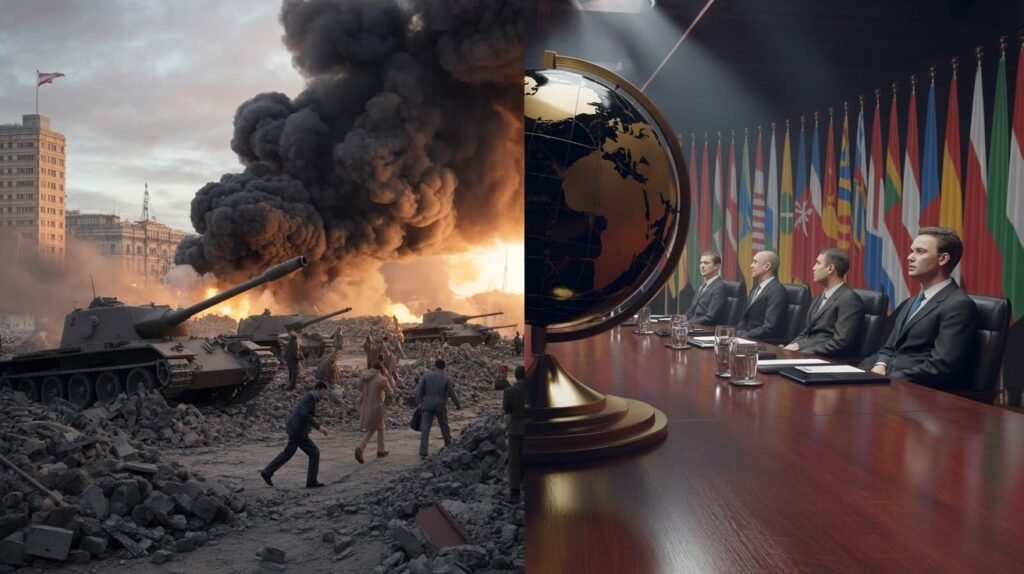
One of the most immediate impacts of ongoing conflicts is the loss of basic security. Civilians living in conflict zones face constant uncertainty. Simple activities such as going to school, working a job, or visiting a market can become dangerous. Families may be forced to stay indoors for long periods or move frequently to avoid unsafe areas. This lack of stability creates ongoing stress and fear, especially for children, who may struggle to feel safe in their own homes.
Education is another major area affected by global conflicts. Schools are often closed due to safety concerns or damage to buildings. In many regions, children miss months or even years of schooling. Some are forced to work to help support their families, while others flee their homes and lose access to education entirely. Without proper schooling, young people face limited opportunities in the future, increasing the risk of long-term poverty and inequality.
Healthcare systems also suffer greatly during conflicts. Hospitals and clinics may be damaged, overcrowded, or lack supplies. Doctors and nurses often work under extreme pressure, with limited equipment and resources. For civilians, this means injuries and illnesses that would normally be treatable can become life-threatening. Pregnant women, elderly people, and those with chronic illnesses are especially vulnerable when healthcare services are disrupted.
Global conflicts also cause widespread displacement. Millions of civilians are forced to leave their homes to escape violence, becoming refugees or internally displaced people. Displacement separates families, disrupts communities, and creates challenges in accessing food, shelter, and clean water. Refugees often face difficult conditions in temporary camps or host countries, where resources may already be limited. Adjusting to a new environment, language, or culture adds another layer of hardship.

The economic impact on civilians is equally severe. Conflict often destroys local businesses, farms, and infrastructure. Jobs disappear, prices rise, and access to basic goods becomes limited. Families may struggle to afford food, fuel, or medicine. Even in countries not directly involved in fighting, global conflicts can affect civilians through higher energy costs, food shortages, and economic instability, showing how interconnected the world has become.
Mental and emotional well-being is another often overlooked consequence. Living through conflict can cause long-lasting psychological stress. Children may experience trauma that affects their development, while adults struggle with anxiety about protecting their families and rebuilding their lives. The emotional toll does not end when the fighting stops; recovery can take years or even generations.
Despite these challenges, civilians in conflict zones often show remarkable resilience. Communities come together to support one another, share resources, and maintain hope. Aid organizations, journalists, and local volunteers work to provide relief and raise awareness of civilian suffering. However, support from the international community remains crucial to reduce harm and help rebuild lives.
In conclusion, ongoing global conflicts affect far more than political borders or military outcomes. They shape the everyday experiences of civilians, disrupting education, healthcare, safety, and economic stability. Understanding these human impacts reminds us that behind every conflict are real people whose lives are changed forever, and whose voices deserve to be heard.