


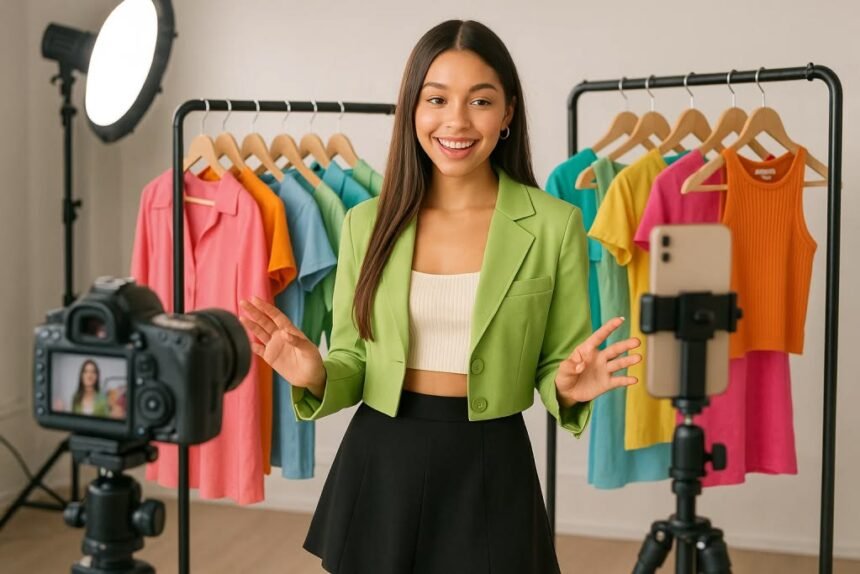
Not too long ago, online shopping was a deliberate, search-driven chore. You realized you needed a pair of running shoes, searched Amazon or Google, read three reviews, typed in your credit card details, and waited a few days for delivery.
Today, that entire funnel has been collapsed into a 15-second video clip.
While scrolling through TikTok, you stumble upon a creator demonstrating an obscure kitchen gadget. A tiny, glowing shopping bag icon sits at the bottom of your screen. Two taps later, Apple Pay confirms your order without you ever leaving the app.
This is the era of “social commerce”—and at the center of this global retail revolution are TikTok Shop and livestream selling. What started as a massive cultural norm in East Asia is rapidly rewriting the rules of global e-commerce.
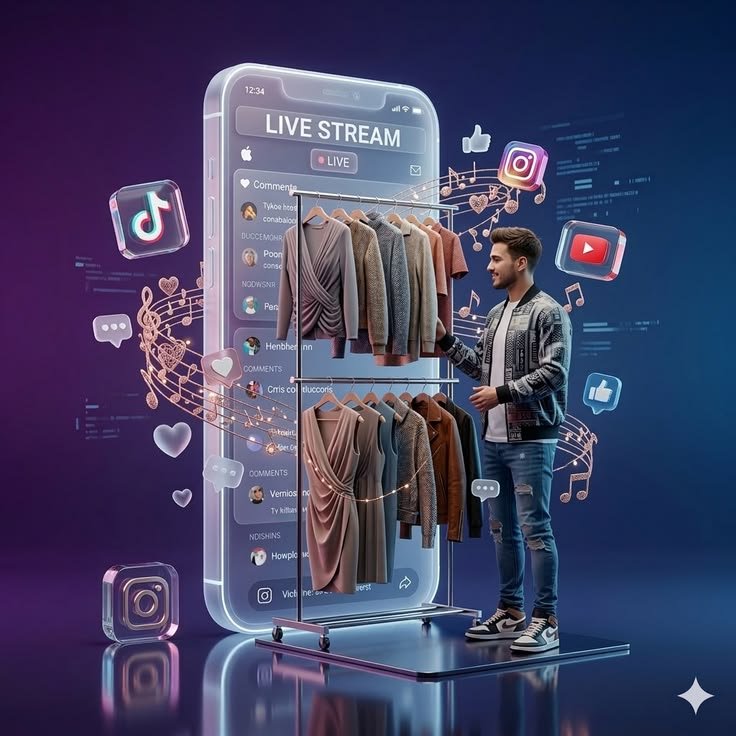
1. The Death of the Traditional Marketing Funnel
Traditional e-commerce relies on intent: a consumer knows what they want and searches for it. Social commerce relies on discovery: creating desire for a product the customer didn’t even know existed thirty seconds ago.
TikTok’s secret weapon isn’t just its massive user base; it’s the algorithm. By serving hyper-personalized, short-form content to users based on niche interests, TikTok Shop surfaces products directly to the people most likely to buy them.
The transition from “discovery” to “purchase” happens instantly inside the app. By removing friction—no redirects to external sites, no typing in shipping addresses—conversion rates shoot through the roof.
2. Livestreaming: Home Shopping Network for Gen Z
To understand where global retail is heading, look at China. Livestream commerce in China (pioneered by platforms like Taobao and Douyin) is a multi-hundred-billion-dollar industry where top hosts sell millions of dollars in inventory in a single evening.
Western markets are now catching up fast. Livestream selling on TikTok Shop combines elements of entertainment, real-time urgency, and community:
- Real-time verification: Viewers can ask the host to try on a jacket in size Medium, show the stitching up close, or test a cosmetic product on camera.
- Flash discounts and countdowns: Limited-time deals create instant FOMO (fear of missing out), driving impulse purchases.
- Interactive engagement: The line between a Q&A session and a sales pitch disappears entirely.
3. The Creator as the New Department Store
In the traditional retail model, brands spent millions on billboard ads or prime shelf space at Target. In the social commerce model, the creator is the shelf space.
TikTok’s affiliate program allows everyday creators to tag products directly in their videos and earn a commission on every sale. This creates a decentralized sales force of millions. An honest, unpolished review from a creator with 5,000 followers often converts far better than a polished, high-budget studio commercial because consumers trust people, not corporate slogans.
4. Small Brands and “Viral” Supply Chains
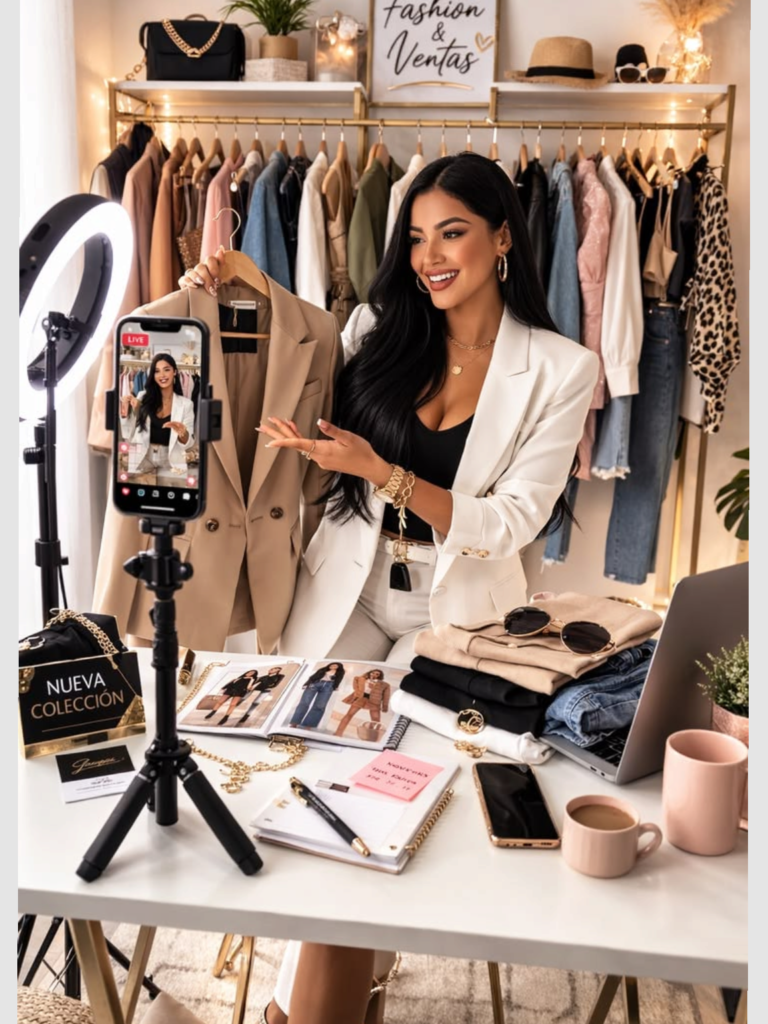
TikTok Shop has radically flattened the playing field for small businesses and independent entrepreneurs.
A boutique skincare brand or a solo craftsman can post a raw behind-the-scenes video showing how their product is made. If the algorithm picks it up, they can sell out thousands of units overnight.
However, this rapid viral demand comes with a catch. Brands now have to build agile, flexible supply chains capable of scaling up in forty-eight hours to handle a sudden surge in orders—or risk severe customer backlash if fulfillment stalls.
What This Means for the Future of Retail
We are witnessing a fundamental shift from static, text-based online stores to dynamic, media-driven social hubs. E-commerce is no longer just a digital transaction; it is a form of interactive entertainment.
For legacy retailers and traditional brands, the message is clear: if your digital strategy relies entirely on driving traffic to a quiet, static website, you are missing where the modern consumer actually hangs out. To win in the next decade of retail, you have to meet customers where they scroll, entertain them first, and make buying as effortless as a single tap.