


For decades, the fashion industry ran on a simple, unspoken promise: Wear this, and you will look good to other people.
It was an external game governed by seasonal trends, aesthetic rules, and social validation. But over the last few years, a major psychological shift has taken hold. Consumers are no longer asking just “How do I look in this?”—they are asking, “How does this make me feel?”
Welcome to the era of wellness wardrobing. Today, fashion is expanding far beyond vanity. Major fashion houses and independent labels alike are stepping into the health and mental wellness space, treating clothing not as a passive disguise, but as an active tool for physical recovery, emotional regulation, and mental clarity.
Here is how brands are blurring the line between your closet and your well-being—and why this shift is here to stay.

1. Bio-Functional Fabrics: Clothing That Heals
We used to think performance fabrics were just for sweat-wicking at the gym. Now, technical textiles are entering everyday wardrobes with a focus on biological health.
Brands are embedding bioceramic minerals (like CELLIANT) into everyday loungewear and suits to absorb body heat and convert it into far-infrared energy. This subtle technology helps improve local circulation, speed up muscle recovery, and support thermoregulation throughout the day.
Other innovations making their way into modern closets include:
- Nervous System Calming: Gentle, targeted compression garments designed to stimulate the parasympathetic nervous system, easing daily anxiety.
- Skin-Nourishing Yarns: Fabrics infused with natural botanical extracts or micro-capsules that release hydrating compounds directly onto the skin.
- Circadian-Supportive Wear: Sleepwear and evening wear woven to maximize breathability and keep core body temperatures optimal for deep, restorative sleep.
2. Enclothed Cognition: Dressing for Mental Health
Psychologists use the term “enclothed cognition” to describe the direct impact our clothing choices have on our cognitive processes, mood, and behavior. Fashion brands are taking this science seriously, designing collections with explicit mental health intention.
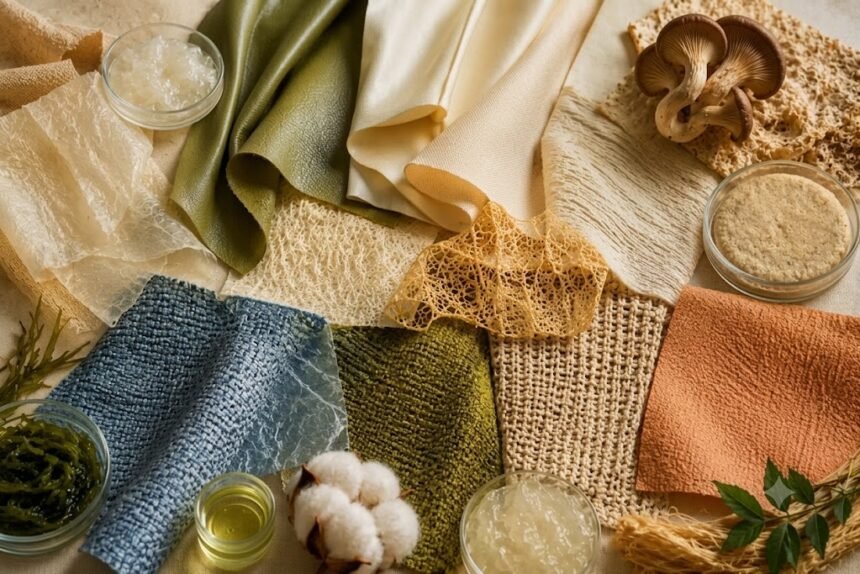
When you put on a piece of clothing, your brain absorbs tactile feedback, weight, and visual cues. Soft, unrestrictive natural fibers like organic linen and butter-soft modal signal safety and relaxation to the nervous system, helping lower cortisol levels after a high-stress day.
Similarly, color therapy is making a comeback. Brands are intentionally curating palettes around emotional states: grounding terracottas for stability, sage greens for restoration, and soft sky blues to lower mental fatigue. Dressing intentionally has turned into a daily grounding ritual rather than an exercise in fitting in.
3. Creating “Third Spaces” and Mindful Communities
Fashion labels are realizing that selling wellness requires more than just hung garments on a rack; it requires building supportive environments.
Instead of traditional, high-pressure flagship stores, brands are building holistic “third spaces”—community hubs where retail meets reflection. You might walk into a boutique that doubles as a breathwork studio, offers sound baths on Sunday mornings, or hosts talks on mental health and burnout recovery.
By partnering with mindfulness apps, mental health foundations, and wellness experts, apparel companies are building genuine trust with consumers who view well-being as a core part of their identity.
4. The Rise of the “Wellbeing Economy” in Fashion
Wellness wardrobing naturally overlaps with slow, intentional consumption. Fast fashion’s relentless cycle of impulse buys often induces decision fatigue and consumer guilt.
The shift toward wellness encourages a “less, but better” approach to style:
The Core Philosophy: A wardrobe should be a sanctuary, not a source of stress. Owning a curated collection of durable, versatile, and comfortable pieces supports both personal peace of mind and environmental health.
The Bottom Line
Fashion is no longer just a visual armor you put on for the rest of the world. It is turning inward, serving as a second skin that nurtures your body, supports your mind, and aligns with your lifestyle.
As the boundaries between health, tech, and style continue to dissolve, your morning routine of picking out an outfit might just become your most effective self-care ritual of the day.