


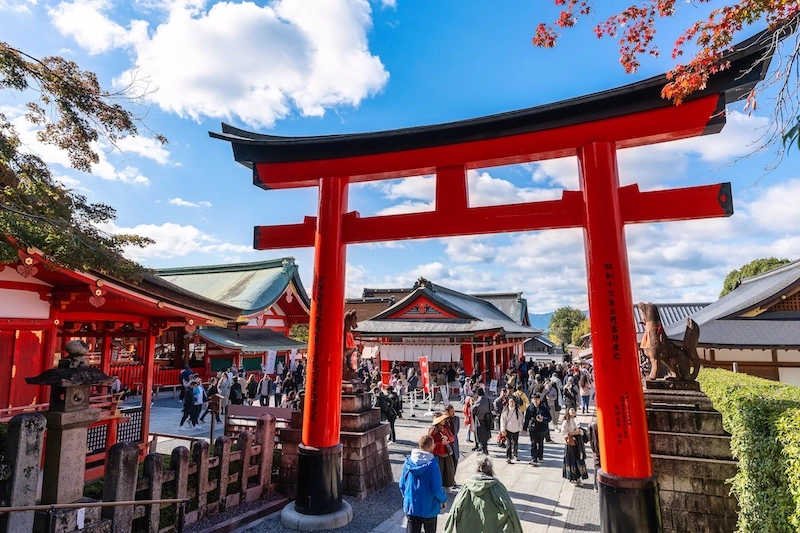
Japan has surged in popularity as one of the world’s most visited travel destinations, and it’s easy to see why. From ancient temples and serene gardens to futuristic cities and cutting-edge technology, Japan offers a unique blend of tradition and modernity that captivates travelers from every corner of the globe. But beyond beautiful scenery and iconic culture, several specific trends explain why tourism in Japan is booming today.
One of the main reasons Japan is so popular right now is its successful post-pandemic reopening. After strict travel restrictions during COVID-19, Japan gradually reopened its borders and leveraged effective safety measures to welcome visitors back with confidence. As travel demand soared worldwide, Japan became a top choice for those craving both safety and adventure. Tourists appreciated the country’s clean cities, organized public transport, and respectful social culture—factors that made traveling comfortable and reassuring.
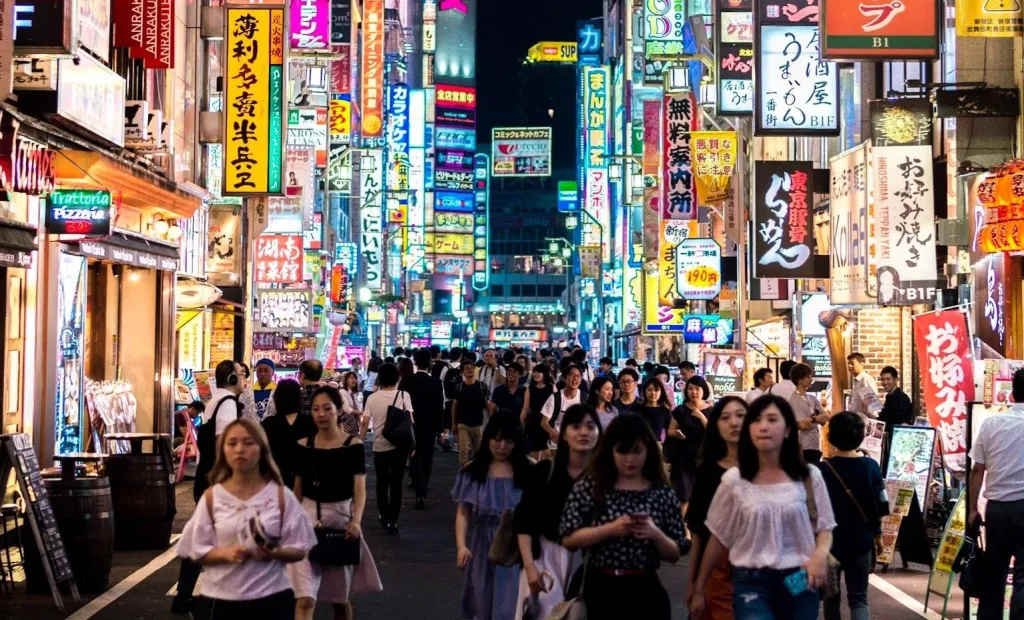
Another major draw is Japan’s unmatched cultural richness. Whether visitors are exploring ancient Kyoto temples, watching a traditional tea ceremony, or strolling through the historic streets of Nara, the sense of history is everywhere. At the same time, cities like Tokyo and Osaka showcase Japan’s modern edge—with towering skyscrapers, buzzing nightlife, and world-class cuisine. This contrast between old and new means travelers get a lot of variety in a single trip. It’s not just sightseeing; it’s experiencing a culture that feels both timeless and futuristic.
Food tourism has also helped boost Japan’s global popularity. Japanese cuisine is celebrated worldwide, and many travelers now choose Japan specifically to taste authentic dishes. From sushi and ramen to street food stalls and Michelin-starred restaurants, Japan offers an extraordinary range of flavors. Areas like Osaka, known as “Japan’s Kitchen,” attract food lovers eager to sample local specialties. For many tourists, each city feels like a new culinary adventure.
Another factor driving tourism is Japan’s investment in international marketing and improved travel infrastructure. The country has made significant efforts to attract visitors from Europe, North America, and Southeast Asia through targeted campaigns and tourism promotions. Airports, trains, and hotels now offer better multilingual support than ever before, making Japan more accessible to travelers who don’t speak Japanese. The introduction of easier visa processes in recent years has also encouraged more tourists to visit, especially from countries with growing middle classes.
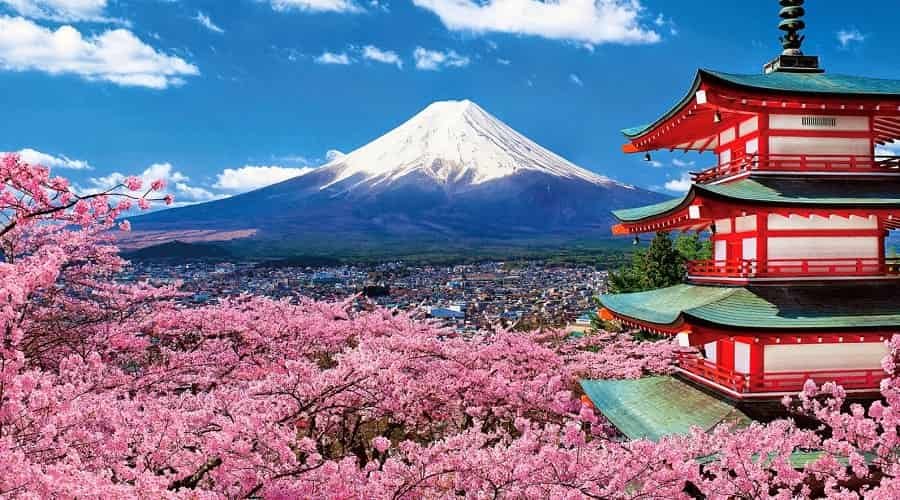
Japan’s natural beauty and seasonal festivals are a huge part of its appeal, too. The cherry blossom (sakura) season in spring draws visitors worldwide, packed with festivals and picturesque landscapes. In autumn, vibrant fall foliage creates breathtaking views in parks and mountain areas. From snow-covered Hokkaido to tropical Okinawa beaches, Japan’s varied climate means there is something beautiful to see in every season. Travelers looking for adventure can enjoy hiking, skiing, hot springs, and more.
Japan has also become a hotspot for pop culture tourism. Anime, manga, and J-pop have fans all over the world, and many young travelers dream of visiting Tokyo’s Akihabara district or attending pop-culture conventions in Japan. Attractions like the Ghibli Museum and themed cafés amplify this trend. For many, Japan represents the heart of modern pop culture, making it an irresistible destination.
Finally, safety and convenience play a significant role in Japan’s tourism boom. Japan is known as one of the safest countries for travelers, with low crime rates and a strong sense of public order. Its clean cities, punctual transportation systems, and helpful locals make exploring easy and stress-free—even for first-time international travelers.
In conclusion, Japan’s rise as one of the most visited countries in the world is no accident. It’s the result of many factors—cultural heritage, modern attractions, global marketing, food experiences, natural beauty, pop culture influence, and strong infrastructure. Whether someone is drawn by historic temples, delicious food, stunning landscapes, or futuristic cities, Japan offers a travel experience that feels both familiar and excitingly new. No wonder Japan has become a top choice for travelers in 2025 and beyond.