


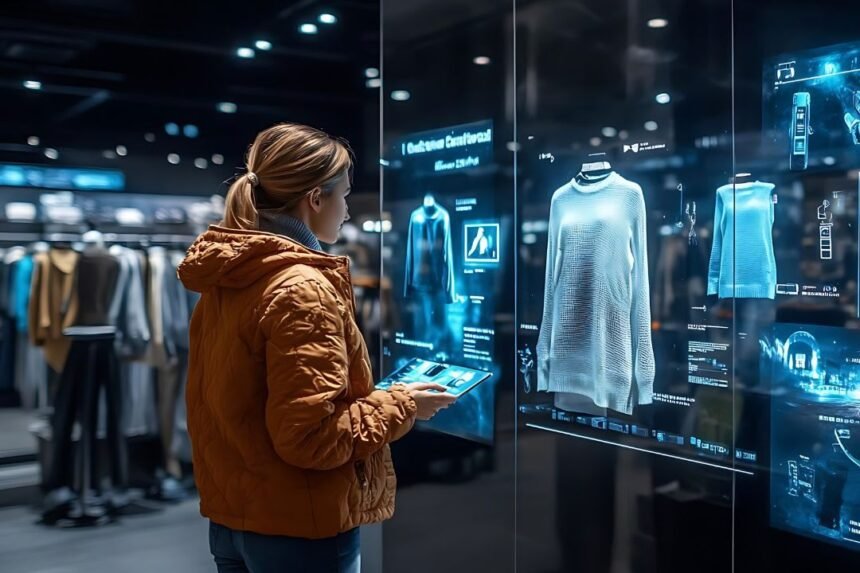
Let’s be honest: “Standard sizing” is a lie. Whether you’re shopping in a high-end boutique in Milan or scrolling through a fast-fashion app in your living room, the struggle is the same. A “Medium” in one brand is a “Small” in another, and a “Large” somewhere else won’t even get past your thighs.
This isn’t just a personal annoyance; it’s a global industry crisis. We’re currently looking at a $500 billion mountain of returns every year. In 2026, the fashion world is finally admitting that the industrial-age “size 8” or “Extra Large” was a failed experiment. The fix? Hyper-Personalized Aesthetics. And for the first time, it actually feels like it’s working.
The Psychology of the ‘Return’
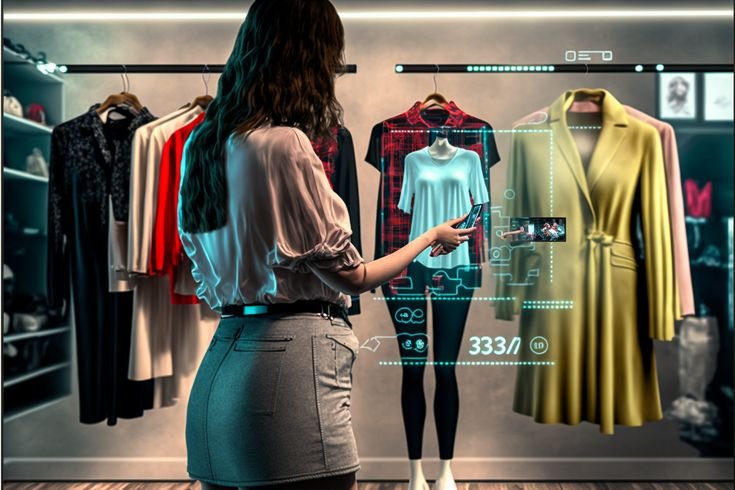
Why do we return 40% of what we buy online? It’s rarely because we don’t like the color. It’s because the garment doesn’t “understand” our proportions. For years, retailers treated our bodies like data points on a bell curve. If you didn’t fit the curve, that was your problem, not theirs.
Watching this space, I’m seeing the shift. Consumers are tired of the “order three, return two” dance. It’s a waste of time, and quite frankly, it’s a disaster for the planet. Millions of tons of clothes end up in landfills because processing a return is often more expensive than the shirt itself. We need a digital tailor, and we need one now.
Enter the Digital Twin
The real breakthrough in 2026 isn’t just a better size chart on a website. It’s the Digital Twin.
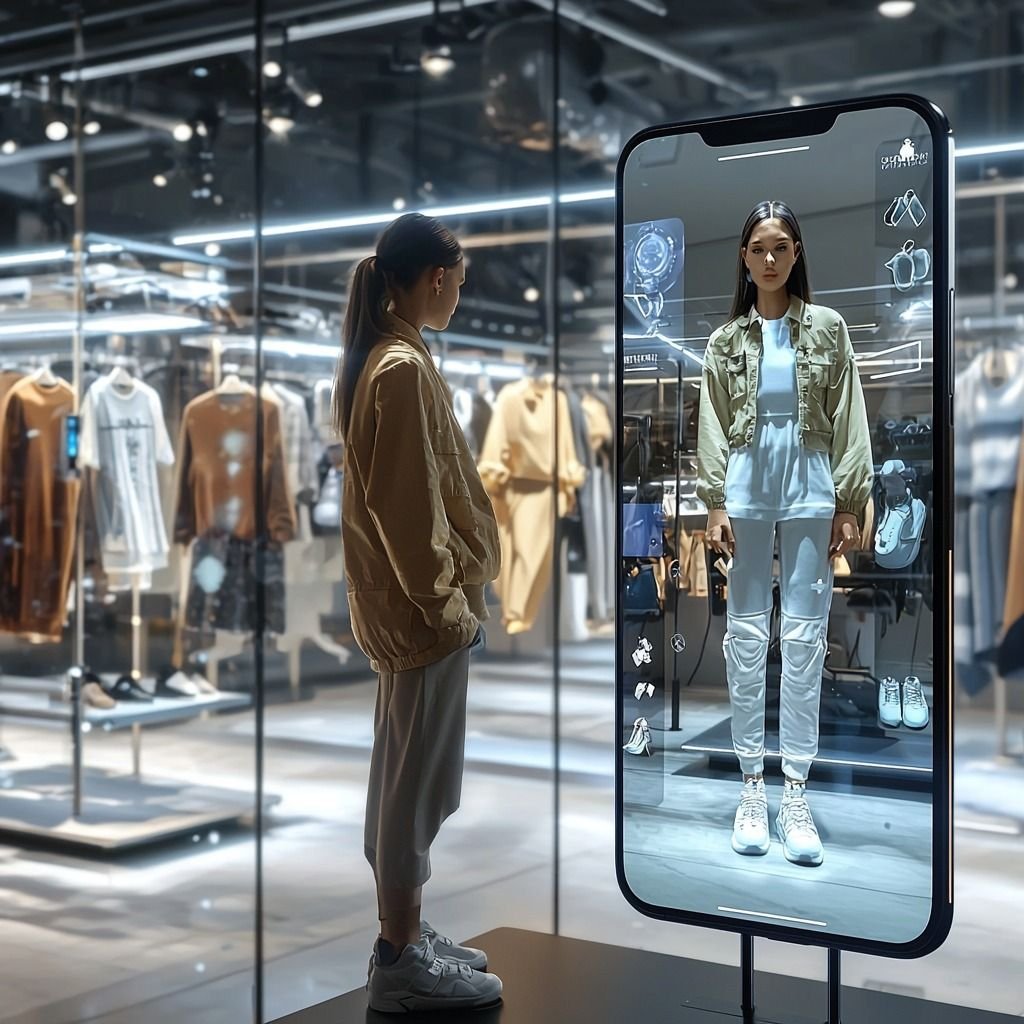
Imagine opening an app, taking a quick ten-second scan, and having a 3D model of yourself that’s accurate down to the millimeter. This isn’t sci-fi anymore. Modern AI uses computer vision to map exactly how a fabric—say, a heavy denim or a light silk—will actually drape over your specific shoulders or hips.
Platforms like True Fit and Stitch Fix are now moving beyond “recommendations.” They are using neural networks to cross-reference your body type with millions of other successful purchases. It’s the Logic of the Individual. It tells the brand: “Don’t send this person a Medium; their torso is three inches longer than your template allows.”
From Mass Production to ‘Batch of One’
This tech is doing something radical—it’s killing “Fast Fashion” from the inside out. When you know a piece fits, you keep it. When you keep it, you wear it.
We are seeing the rise of On-Demand Manufacturing. Instead of a factory churning out 50,000 identical blazers and hoping for the best, AI is adjusting patterns in real-time. When you hit “Buy,” the digital pattern is tweaked to your scan before the fabric is even cut. It’s the Savile Row experience, but at a fraction of the cost and accessible via a 5G connection. This “Batch of One” approach is the only way to solve the waste crisis in fashion.
The Bottom Line: It’s About Confidence, Not Code
At the end of the day, all the AI and 3D modeling in the world doesn’t matter if the person in the mirror doesn’t feel good. Precision sizing is about stripping away the anxiety of the dressing room.
The future of fashion isn’t some cold, robotic laboratory. It’s a system that finally respects the fact that no two human beings are built the same. By solving the fit crisis, we aren’t just saving money and the environment—we’re letting people get back to the actual point of fashion: self-expression.
The Takeaway
The “Standard Size” is a relic of the past. As we move through 2026, the brands that survive will be the ones that stop trying to fit people into clothes, and start fitting clothes to people.
So, are you ready to ditch the “Size 10” label for a 3D scan, or does the idea of a digital tailor still feel a bit too close for comfort? Let’s talk about the trade-offs in the comments.