


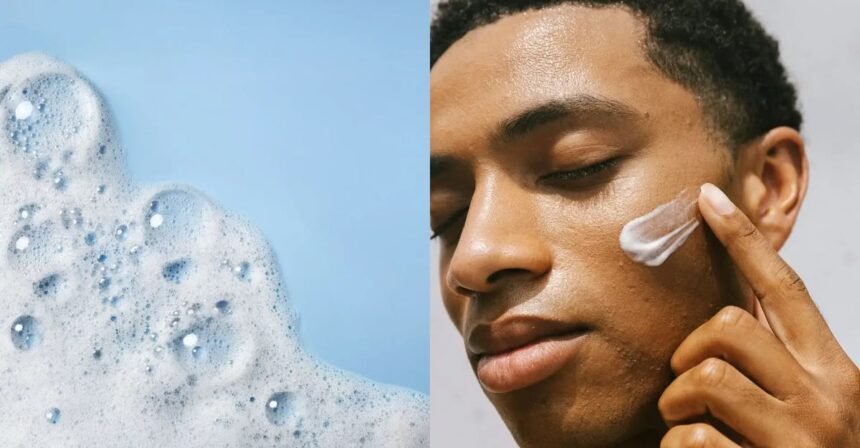
For most of the beauty industry’s modern history, men’s skincare meant a bar of soap and, if a brand was feeling ambitious, an aftershave that stung on purpose. That era is closing fast. Men’s skincare is now consistently identified as the fastest-growing segment in personal care, outpacing the broader beauty market’s already healthy expansion, and the numbers behind that claim are large enough to have fundamentally reshaped how major beauty conglomerates plan their next decade.
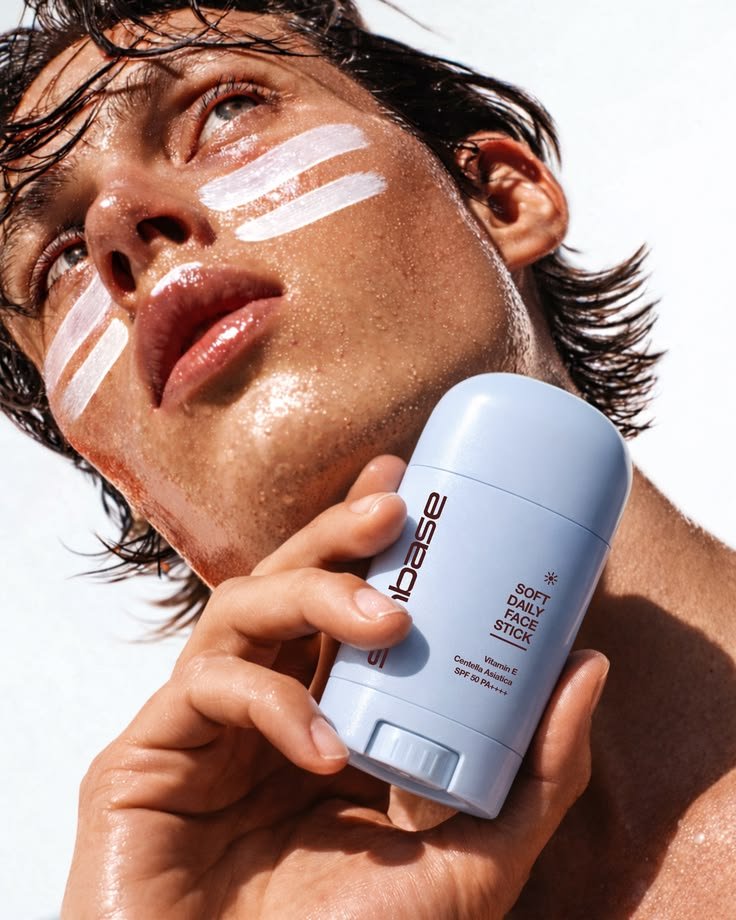
The Numbers Behind the Shift
Market researchers don’t agree on an exact figure, which is itself a sign of how quickly this category is moving, but the direction is unanimous. Future Market Insights projects the men’s skincare market growing from 17.6 billion dollars in 2025 to 37.3 billion dollars by 2035, a compound annual growth rate above ten percent. Separately, Grand View Research places the broader men’s personal care market on track to nearly double from 30.8 billion dollars in 2021 to 67.2 billion dollars by 2030, with skincare products alone already accounting for close to half of that revenue. For comparison, the overall global skincare industry is growing at a comparatively modest six to seven percent annually. Whichever data set you trust, men’s skincare is expanding at roughly one and a half to two times the pace of the category it sits inside.
Gen Z Is the Real Driver
The generational story here is stark. Gen Z men are reported to be sixty-two percent more likely to use skincare products than Gen X men, with adoption among Gen Z men reaching an estimated sixty-eight percent, a dramatic jump from the historic norm. That said, the overall adoption gap remains genuinely wide: only around twenty-nine percent of men maintain a regular skincare routine at all, compared with roughly sixty-two percent of women, meaning the “fastest-growing” label describes momentum, not market saturation. Industry analysts frame this gap itself as opportunity rather than ceiling, a market still early enough in its adoption curve that brands moving decisively now stand to capture disproportionate long-term share.
What’s Actually Driving the Shift
Three forces show up consistently across industry analysis. First, changing masculinity norms and reduced social stigma around grooming have made skincare a far less loaded purchase decision than it was even five years ago, with social media and influencer culture normalising routines that would have seemed unusual for men a decade prior. Second, health consciousness has genuinely shifted category demand: sunscreen holds the largest share of the men’s skincare market specifically because of rising awareness around skin cancer prevention, and dermatologist-endorsed education campaigns have pushed daily SPF use from a niche habit into a mainstream one. Third, and perhaps most practically, distribution has caught up with demand, e-commerce is now the fastest-growing sales channel for men’s skincare specifically, removing the friction and self-consciousness that once came with buying products from a dedicated women’s aisle.
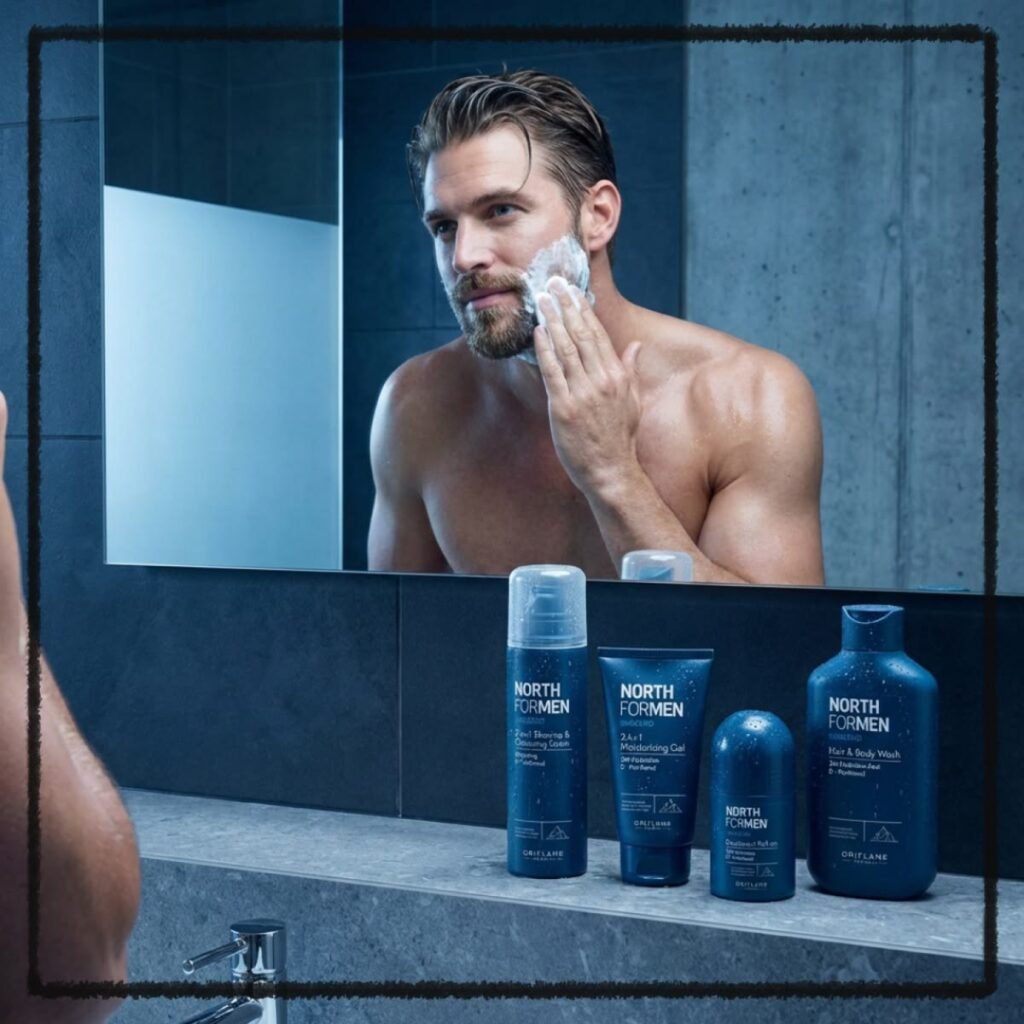
Where the Growth Is Concentrated
Product-wise, creams and moisturizers dominate current category revenue, but the natural, organic, and herbal segment is projected to grow fastest going forward, tracking a broader wellness-driven shift away from synthetic formulations across the industry. Geographically, Asia-Pacific is expected to see the fastest expansion of any region through the next decade, consistent with the broader pattern across global skincare, where the region already commands the largest revenue share worldwide.
What This Means for Brands and Buyers
For an industry built for a century around a single dominant customer, the shift toward genuine, sustained male demand represents one of beauty’s most significant demographic realignments in recent memory. Brands that treat men’s skincare as more than repackaged women’s formulas in darker bottles, addressing real barriers like confusion over routines, pricing sensitivity, and a continued lack of product education, are the ones best positioned to capture a market that analysts increasingly describe not as niche, but as one of the genuine growth engines of beauty’s next decade.