


Call it the most complicated victory in global trade. Southeast Asia has spent the past two years absorbing some of the steepest tariffs the Trump administration has imposed anywhere in the world, forty-six percent on Vietnam, forty-nine percent on Cambodia, forty-eight percent on Laos, and simultaneously emerging as the single biggest beneficiary of the broader shift away from China-centred manufacturing. Both things are true at once, and understanding why requires looking past the tariff headlines to the deeper structural rewiring happening underneath them.
The Tariffs Were Real, and They Were Brutal
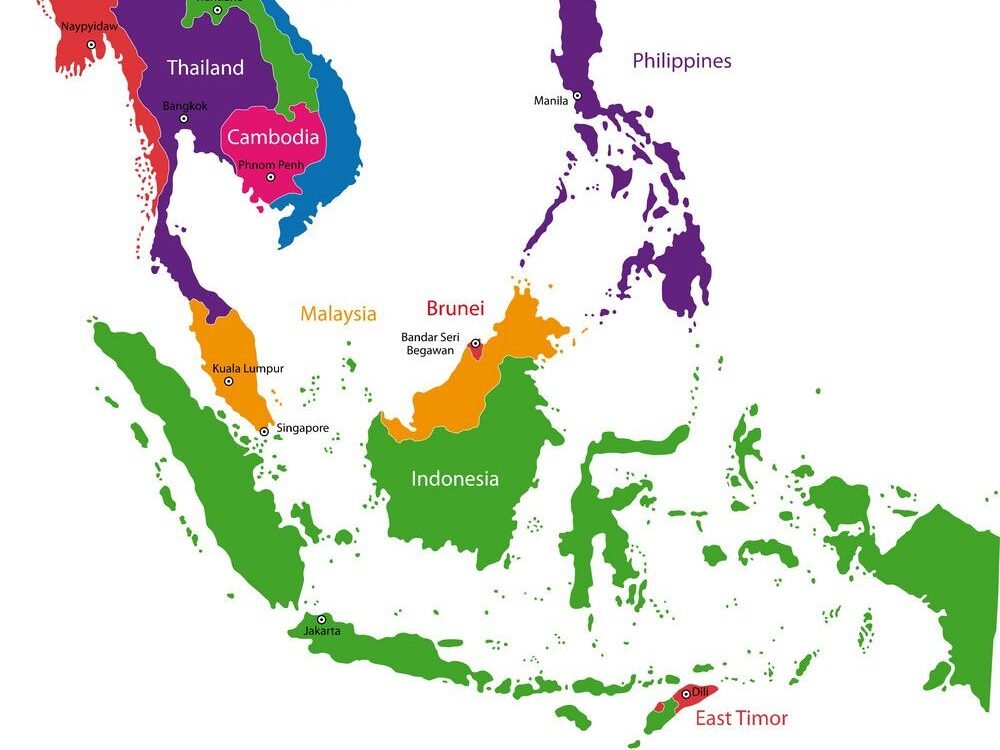
It’s worth stating plainly: Southeast Asia was not spared. On what the White House called “Liberation Day,” Cambodia, Laos, and Vietnam were hit with some of the highest reciprocal tariff rates of any economies globally, with Thailand, Indonesia, and Malaysia following close behind at thirty-six, thirty-two, and twenty-four percent respectively. For Vietnam specifically, which derives roughly thirty percent of its GDP from exports to the United States, this was not a background inconvenience, it was an existential trade risk that prompted immediate diplomatic scrambling, including offers to cut Vietnamese tariffs on US goods to zero. Rates have since been negotiated down to a range of ten to twenty percent for most ASEAN economies, though Myanmar and Laos remain at a punishing forty percent, and additional tariffs on transshipped goods, steel, aluminium, and auto parts continue to bite.
Why the Region Wins Anyway
Here is the structural fact that outlasts any single tariff negotiation: in 2024, China recorded a net negative in foreign direct investment for the first time ever, with net FDI dropping by nearly one hundred seventy billion dollars after decades of consistent surpluses. That capital did not vanish. It relocated, largely into the “China Plus One” corridor that Southeast Asia has spent a decade building. Vietnam has been the clearest beneficiary, with Foxconn, the world’s largest electronics manufacturer, expanding capacity out of China into Bac Ninh province, now emerging as a genuine regional electronics hub. This is the deeper trend tariffs haven’t reversed: multinational manufacturers facing an increasingly binary choice between US and Chinese supply chains have continued diversifying production into Vietnam, Malaysia, and Indonesia specifically because the alternative, remaining fully exposed to US-China tensions, now looks riskier than absorbing Southeast Asia’s tariff burden.
The Complication Nobody’s Headline Mentions
The picture gets messier when you look at where Southeast Asia’s own imports are coming from. Chinese exports to ASEAN rose 12 percent to 586 billion dollars in 2024, and that trend accelerated through 2025, up 14.7 percent to 487.5 billion dollars in just the first nine months of the year. In other words, as Chinese exports to the US have fallen under tariff pressure, China has rerouted significant trade volume through Southeast Asia itself, some of it genuinely destined for regional consumption, some of it functioning as transshipment to avoid US tariffs directly, a practice the White House targeted with an additional forty percent tariff on transshipped goods in July. This dual role, simultaneously a destination for Western manufacturing diversification and a growing conduit for Chinese exports, is exactly why the Asian Development Bank revised its 2025 growth forecast for the region down from 4.7 to 4.3 percent, citing the genuine uncertainty of operating inside this new trade environment.
A Winner With Real Exposure
The honest assessment is that Southeast Asia isn’t winning the tariff war so much as winning the war beneath it, the multi-decade reorganisation of global manufacturing away from single-country dependency on China. That structural shift continues regardless of where tariff rates settle in any given negotiating round, because it’s driven by something tariffs alone can’t undo: multinational firms permanently reassessing concentration risk after years of US-China tension, pandemic disruption, and now direct tariff exposure on China itself. Southeast Asia still carries real vulnerability in this arrangement, tariff volatility, trade investigations into labour practices and industrial capacity, and its own uncomfortable position as both an alternative to China and an extension of it.
What This Means Going Forward
For businesses and investors tracking this shift, the takeaway isn’t that Southeast Asia has emerged unscathed, it clearly hasn’t. It’s that the region has positioned itself as structurally necessary to global supply chains in a way that survives even severe short-term tariff shocks. That distinction, between winning a single negotiation and winning a decade-long reallocation of global manufacturing capital, is the real story behind Southeast Asia’s tariff-war performance, and it’s one that’s likely to keep shaping trade strategy well beyond whatever rates are set next quarter.