

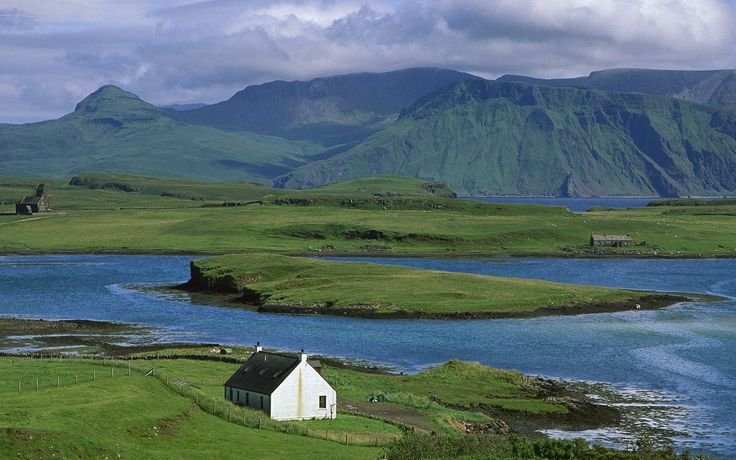
There is a small island off the west coast of Scotland where nobody owns a car, the roads exist only as tracks between farms, the entire community runs on 100% renewable energy, and there is — at any given moment — a waiting list of people hoping one of the island’s 110 residents decides to leave so they can take their place.
The island is Eigg. It is four miles long and two miles wide. It has one shop, one tearoom, one pier, a primary school, and a community hall that functions as pub, cinema, concert venue, and polling station depending on the day. It has no bank, no petrol station, no traffic lights, no fast food, and no mobile signal across most of its surface.
It is, by almost every measurable standard of modern convenience, profoundly inconvenient. And people are quietly desperate to live there.
The Island That Bought Itself
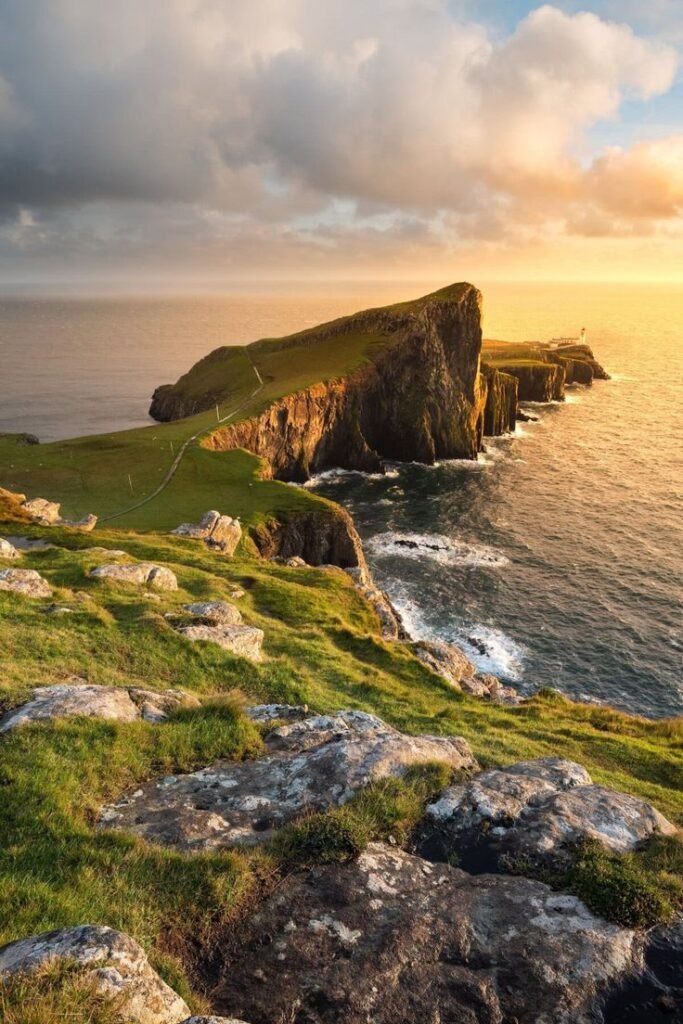
Eigg’s story begins not with geography but with an act of collective self-determination so unusual it made international news. In 1997, after decades of absentee landlordship — during which the island changed hands multiple times between private owners with varying degrees of interest in its actual inhabitants — the community of Eigg did something almost without precedent in Scotland: they bought the island themselves.
The Isle of Eigg Heritage Trust, a partnership between the residents, the Highland Council, and the Scottish Wildlife Trust, raised £1.5 million through a public fundraising campaign that drew donations from across the world — small amounts from thousands of people who had never visited Eigg and never would, but understood something important about what was being attempted.
On 12 June 1997, the residents of Eigg became the owners of Eigg. It was the largest community land buyout in Scottish history at the time, and it triggered a wave of similar purchases across the Highlands and Islands that has continued ever since. The model — communities collectively owning the land they live on, rather than existing at the discretion of private landlords — is now embedded in Scottish land reform legislation partly because of what Eigg demonstrated was possible.
How the Island Actually Works
Community ownership changed everything. Within a decade of the buyout, Eigg had built what was, in 2008, the world’s first community-owned renewable energy grid — a hybrid system of wind, solar, and hydro power that supplies the entire island’s electricity needs. No diesel generators. No dependence on mainland supply. A community of 110 people generating and managing their own power, autonomously, from the landscape they live in.
The grid has a rule: each household is allocated a maximum of 5 kilowatts of power at any given time. Large appliances — kettles, washing machines, electric showers — must be used thoughtfully, not simultaneously. The constraint sounds limiting. In practice, residents describe it as one of the most consciousness-raising aspects of island life: an enforced awareness of energy as a finite, shared resource rather than an invisible utility consumed without thought.
There are roughly 40 houses on the island, a mix of crofts, converted farm buildings, and newer community housing built since the buyout. When a property becomes available — through death, departure, or the rare case of someone deciding that four miles of island has become too small — it enters a community allocation process. Priority goes to people with existing connections to the island, skills the community needs, and the demonstrated ability to sustain themselves in a place where the ferry to the mainland runs three times a week in summer and less in winter.
The waiting list is real. It is also, by its nature, indefinitely long — because most of the people currently on Eigg are not leaving.
What Daily Life Looks Like
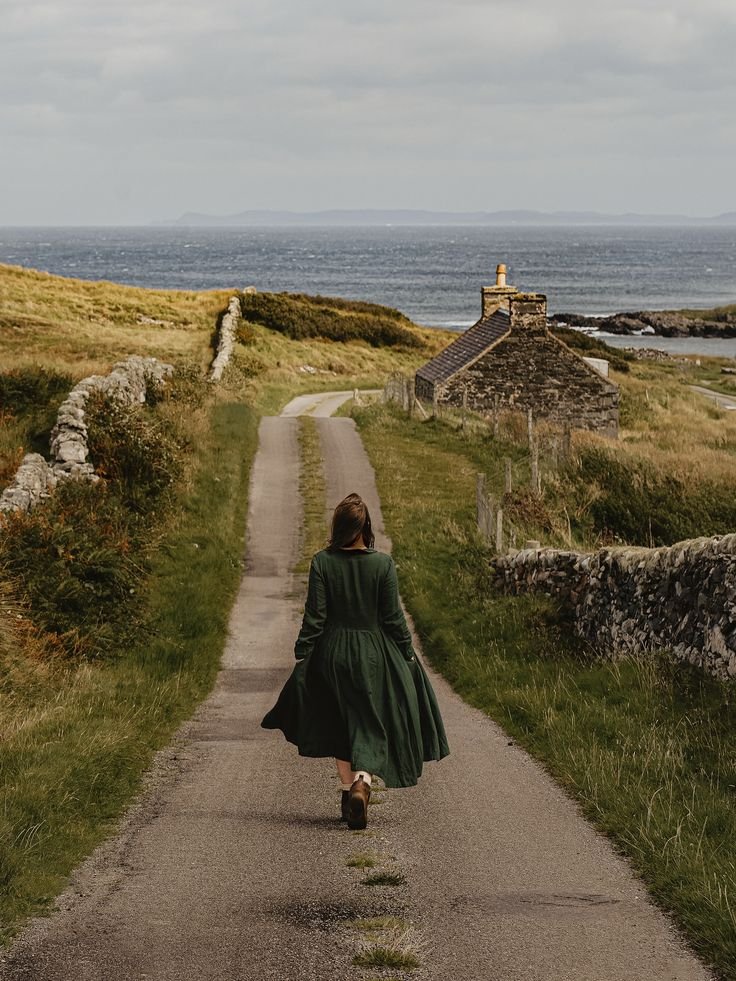
A Wednesday on Eigg in October. The ferry from Mallaig arrives at the pier with post, supplies, and occasionally a visitor. The shop — which stocks a carefully curated range of essentials, fresh produce when the ferry brings it, and very good local cheese — opens for a few hours. The primary school’s eight pupils have lessons. Someone is fixing a fence on the north end of the island. Someone else is working on a recording — Eigg has produced a surprising number of musicians, drawn by the silence and the quality of creative isolation the island provides.
The landscape itself is the governing fact of life. The Sgùrr of Eigg — a dramatic 393-metre pitchstone ridge that dominates the island’s skyline and is visible from the mainland on clear days — organises both the geography and the psychology of the place. It is climbed regularly by residents and occasionally by visitors who have made the journey specifically for it. From the summit, on a clear day, the view extends to Skye, Mull, Ardnamurchan, and the Outer Hebrides — a panorama of Scottish coastal landscape that has no equivalent and that justifies the climb unconditionally.
The beaches on the island’s western side — particularly the Bay of Laig, with its singing sands that produce a distinctive squeaking sound underfoot when dry — are among the most beautiful in Scotland. They are almost always empty.
Why People Want to Live There
The waiting list for Eigg is, at one level, a data point about housing scarcity on a small island. At another level, it is a statement about what a significant number of people, in 2026, have decided they want from a life — and are not finding in the places where most lives are currently lived.
Community ownership. Renewable energy. No cars. A primary school. A pub that is also a cinema. Neighbours whose names you know. A landscape that demands attention. Work that connects to the place you live in. The knowledge that the decisions affecting your daily existence are made by the people sharing it with you, not by an absent landlord or a corporation headquartered elsewhere.
None of these things are available as a package anywhere else in quite the way Eigg has assembled them. Which is why the waiting list grows and the island’s 110 residents, by and large, stay.
How to Visit
Eigg is reached by ferry from Mallaig on the Scottish mainland — a journey of approximately 90 minutes operated by Caledonian MacBrayne. The ferry runs most days in summer and reduced days in winter; checking the CalMac timetable before planning is essential.
Day trips are possible but limited — the ferry schedules rarely allow more than a few hours on the island on a day visit. An overnight stay, arranged through one of the island’s small number of self-catering properties or the community-run hostel, allows the pace of the island to actually reach you. Most visitors who stay overnight report that the adjustment from mainland speed to Eigg speed takes approximately one full day — and that it is entirely worth it.
The island receives no mobile signal from most networks across large portions of its surface. Pack accordingly. And plan to walk.
Discover more hidden destinations, culture, and global travel at Write Matrix