


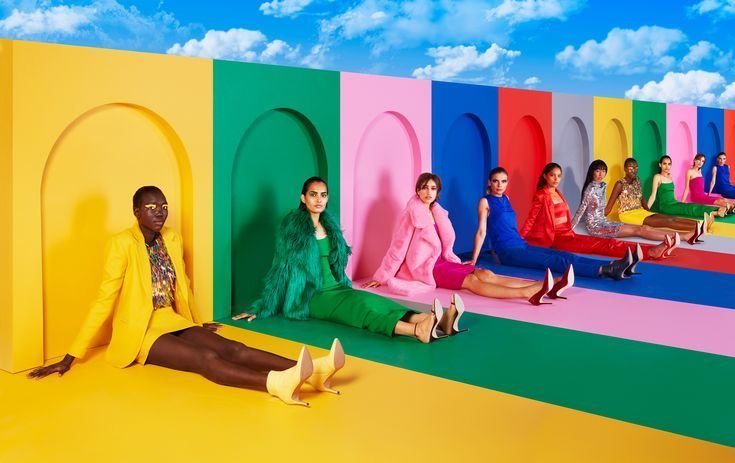
There is a yellow dress hanging in a wardrobe somewhere that its owner reaches for on specific days. Not because it is the most practical choice, not because it matches anything in particular, but because something happens when it is worn — a subtle but unmistakable shift in posture, in energy, in the quality of the day’s first few hours. She cannot fully explain it. She does not need to. The dress already knows what it is doing.
This is not sentimentality. It is neuroscience. And the science behind why colour affects mood — why the clothes we choose in the morning have a measurable influence on how we feel, think, and perform through the day — is more rigorous, and more interesting, than the fashion industry has traditionally given itself credit for.
What Dopamine Dressing Actually Means
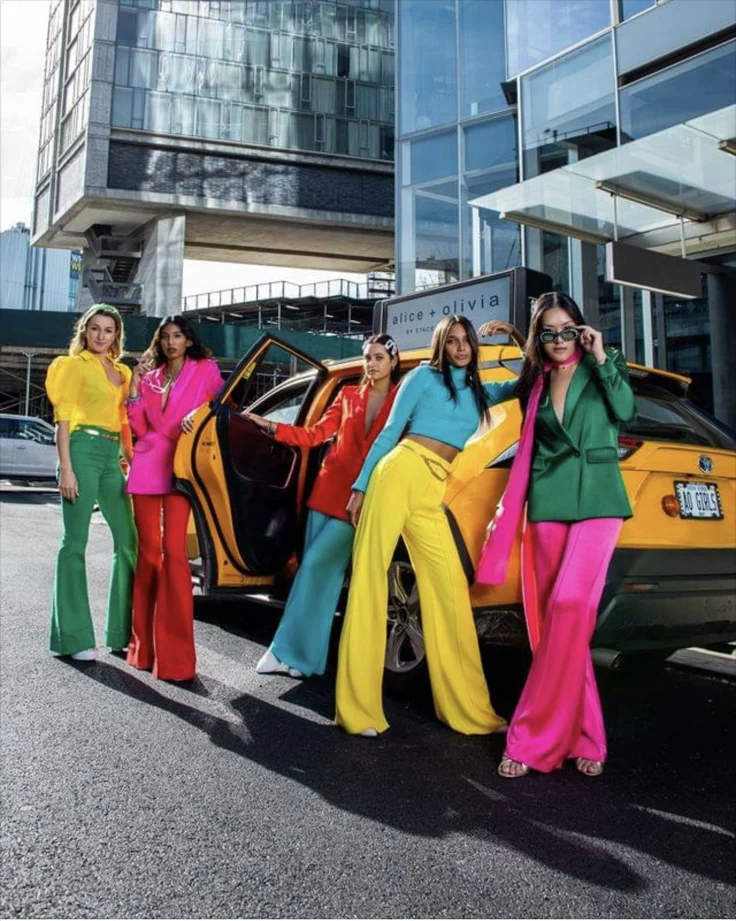
The term “dopamine dressing” entered the fashion vocabulary around 2020 — a pandemic-era phenomenon where people, stripped of external social occasions, began dressing for internal reasons instead. For the feeling it produced rather than the impression it made. The bright colours, the bold prints, the pieces that had been saved for “special occasions” that never seemed to arrive — they came out of the wardrobe and into daily life because daily life, under lockdown, needed something.
The name is slightly misleading, in the way that popular neuroscience terms often are. Wearing a red dress does not produce a dopamine spike in the clinical sense. What colour does — and what the research consistently demonstrates — is activate the brain’s emotional processing centres in ways that are measurable, reproducible, and surprisingly consistent across cultures and individuals.
Colour is processed in the brain’s visual cortex and immediately routed to the limbic system — the same system responsible for emotional response, memory, and motivation. This routing happens before conscious thought. Before you have decided how you feel about the yellow dress, your limbic system has already responded to it. The feeling arrives before the reasoning. The science simply confirms what the body already knew.
What the Research Shows — By Colour
Red activates the sympathetic nervous system — the body’s arousal and alertness mechanism. Studies consistently show that wearing red increases perceived confidence in both the wearer and those observing them. Athletes competing in red uniforms have been shown to win at statistically higher rates in evenly matched competitions. The effect is not conscious or cultural — it operates below the level of deliberate perception.
Yellow activates the brain’s serotonin pathways — the neurotransmitter system associated with mood regulation, optimism, and social openness. Research from the University of Amsterdam found that yellow environments measurably increased self-reported positive mood within minutes of exposure. Wearing yellow produces a milder but analogous effect — the colour in your peripheral vision throughout the day functions as a gentle, continuous mood signal.
Blue — particularly mid-range blues — activates the parasympathetic nervous system, the body’s rest and recovery mechanism. Blood pressure decreases measurably in blue environments. Cortisol — the primary stress hormone — drops. People in blue rooms perform better on tasks requiring careful, sustained attention. Wearing blue on days requiring focus and composure is not a stylistic choice. It is a neurological strategy.
Green triggers the brain’s associations with safety, restoration, and natural environments — an evolutionary inheritance from the deep human past in which green meant vegetation, water, and the absence of immediate threat. Hospital scrubs are green for this reason. The calming effect is not cultural. It is wired.
Black is its own category — a colour that functions as the absence of colour and activates the brain’s social evaluation circuitry differently from chromatic choices. Research suggests that wearing black reduces the wearer’s social visibility in a specific way — not rendering them invisible, but signalling a deliberate withdrawal from colour’s emotional broadcasting. For many people on difficult days, black is not pessimism. It is protection.
The Enclothed Cognition Effect
The science of how clothing affects the mind extends beyond colour into what psychologists call enclothed cognition — a term coined by researchers Hajo Adam and Adam Galinsky in a landmark 2012 study that demonstrated, with rigorous experimental methodology, that the clothes we wear alter our cognitive performance in measurable ways.
In their original study, participants who wore a white lab coat described as belonging to a doctor performed significantly better on tasks requiring sustained attention than participants wearing identical coats described as painter’s smocks, or wearing no coat at all. The garment was identical. The meaning assigned to it changed cognitive output.
The implications for everyday dressing are considerable. The suit that makes you feel more authoritative is not making you feel that way arbitrarily. The comfortable, formless clothes that make concentration difficult are not coincidentally associated with low focus. The garment communicates to the brain — through the meaning the wearer assigns to it, through the physical sensation of wearing it, and through the colour signals it sends to the limbic system — a set of instructions about what kind of cognitive and emotional state is appropriate.
You are, in a measurable sense, dressing your brain as much as your body.
How the Fashion Industry Is Catching Up
The dopamine dressing phenomenon has pushed colour from the periphery to the centre of fashion’s commercial and creative conversation. Brands that built their identity on neutral, quiet palettes — the beige, the grey, the off-white minimalism of the previous decade — are quietly, selectively introducing colour, not as trend-following but as response to documented consumer demand for mood-enhancing dressing.
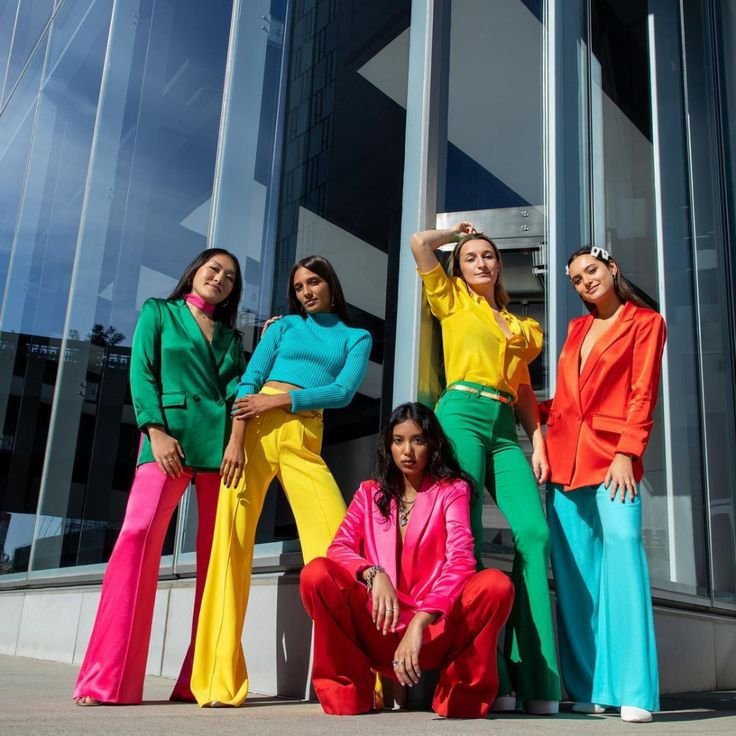
Pantone’s Colour of the Year — an annual pronouncement that drives billions in retail inventory decisions — has trended emphatically toward high-saturation, emotionally warm choices since 2020. Not because the colour forecasters have collectively decided to cheer up, but because the data from consumer behaviour shows that saturated colour converts at higher rates, generates stronger emotional brand association, and produces greater post-purchase satisfaction than neutral alternatives.
The wellness industry has understood colour psychology for decades — using it deliberately in everything from hospital design to workplace environments to food packaging. Fashion is the last major industry to take it seriously. The evidence that it should has been available for years.
Dressing With Intention
The practical application of dopamine dressing is simpler than the neuroscience that underlies it. It begins with a single question, asked honestly on the morning of each day: what do I need to feel today?
Not what do I need to look like. Not what will be appropriate, or practical, or safe. What do I need to feel. The answer — energy, calm, confidence, protection, warmth, focus — maps onto colour choices with a directness that requires no specialist knowledge. The body already knows. The wardrobe, if you have built it with any intention, already contains the answer.
The yellow dress already knows what it is doing. The question is whether you are willing to let it.
Explore more fashion, science, and global culture at Write Matrix