


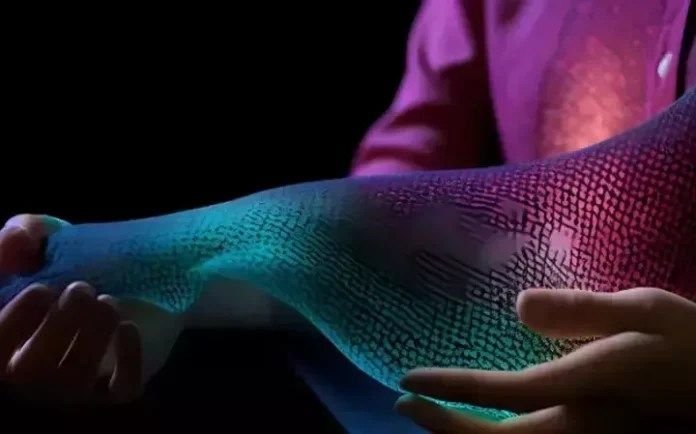
Anyone who has ever stepped off a sweltering, humid sidewalk in Bangkok and into the bone-chilling air conditioning of a transit hub knows the “thermal shock” of modern travel. For decades, the solution was layering—the cumbersome dance of shedding sweaters and stuffing jackets into overhead bins. But as we move through 2026, the luggage is getting lighter and the clothes are getting smarter.
We are witnessing the rise of Travel-Ready Tech: a new generation of “smart” fabrics that don’t just wick moisture, but actively regulate your body temperature on the fly. As an editor who has spent more time in airport lounges than my own living room, I can tell you: this isn’t just a gimmick. It’s the end of the packing crisis.
The Science of ‘Phase Change’ Materials
The “Deep Analyst” take on this trend starts in the lab, not the runway. The most exciting development in 2026 is the mainstreaming of Phase Change Materials (PCMs). Originally developed for NASA space suits, these fabrics contain microscopic capsulated waxes that transition from solid to liquid based on your skin temperature.
When you overheat—say, during a frantic dash to Gate B42—these molecules absorb your excess body heat to melt. When you finally sit down in a drafty cabin and your skin temperature drops, those same molecules solidify, releasing that stored heat back to your body. It is a biological thermostat woven directly into your shirt. Unlike traditional “breathable” polyester, which simply reacts to sweat, PCMs are proactive. They manage the heat before the sweat even starts.
Beyond the ‘Tech-Wear’ Aesthetic
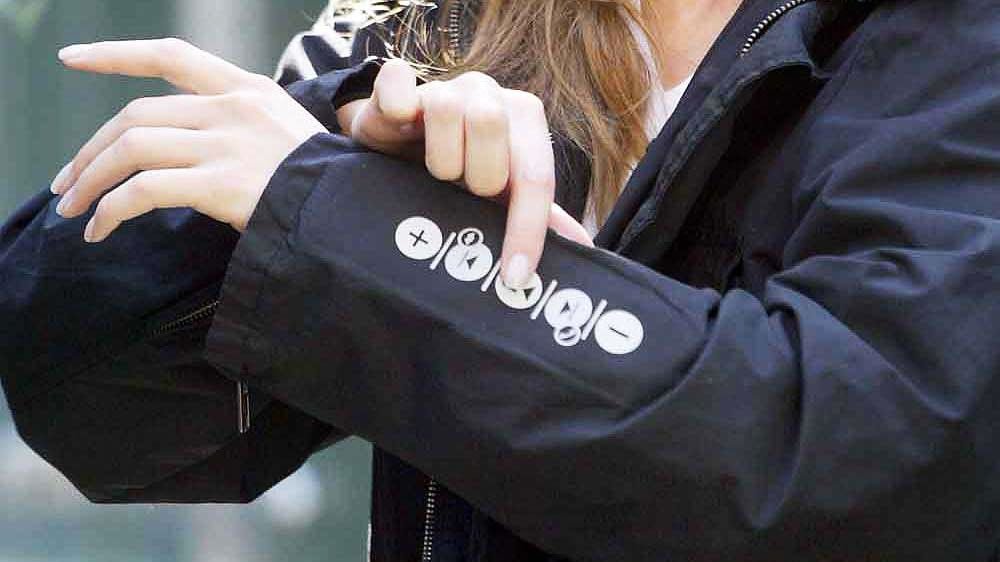
For a long time, “smart clothing” looked like something out of a low-budget sci-fi movie—lots of stiff wires and boxy silhouettes. The human-centric shift in 2026 is all about Tactile Elegance. Brands are now successfully embedding these thermal sensors and PCMs into natural fibers like Merino wool and organic silk blends.
The result? A blazer that looks sharp enough for a boardroom meeting in London but possesses the thermal intelligence of high-end mountaineering gear. This is the Logic of Versatility. By reducing the need for multiple layers, travelers are finally embracing the “One Bag” philosophy without sacrificing comfort or style. It’s about high-performance utility that doesn’t scream “tourist.”
The Sustainability Trade-off
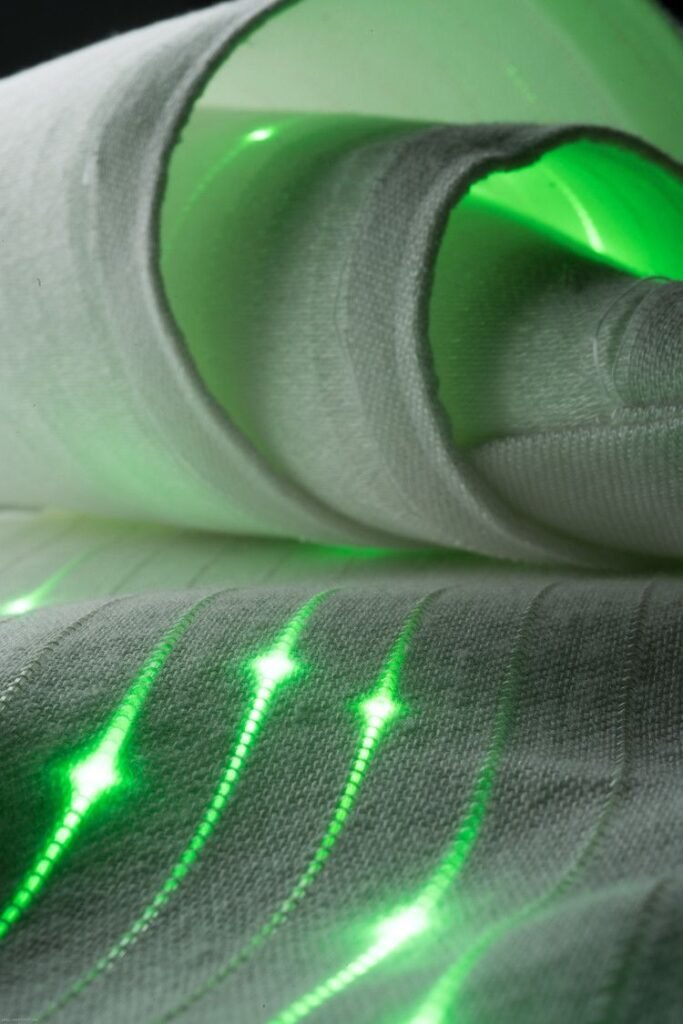
From a global editorial perspective, we have to talk about the footprint. In the past, “performance” fabrics were synonymous with microplastics and forever chemicals (PFAS). However, the 2026 cohort of travel-ready tech is leaning heavily into Bio-Synthetic Innovation.
We are seeing lab-grown proteins and eucalyptus-based fibers treated with mineral-based thermal finishes. These aren’t just better for your comfort; they are designed for longevity. Because these “smart” properties are embedded at the fiber level, they don’t wash out after ten cycles. This aligns with the Heirloom Ethic—buying one high-tech, versatile piece that replaces five cheap, single-climate garments.
The Bottom Line: Why Now?
Why is this hitting the mainstream now? Because our climates are becoming more volatile and our schedules more compressed. We are traveling between extremes more frequently, and the “Coolcation” trend—people heading to northern climates to escape southern heatwaves—requires gear that can handle 25°C at noon and 5°C at sundown.
The rise of smart fabrics is a response to a world in flux. It’s technology serving the human need for equilibrium. As we look at the future of the travel wardrobe, the most valuable luxury won’t be a designer label; it will be the ability to stay perfectly comfortable, no matter what the weather app says.
Are you ready to swap your bulky winter coat for a ‘smart’ jacket that does the work for you, or do you still find comfort in the ritual of layering? Let’s debate the future of the suitcase in the comments—is ‘One Bag’ travel finally a reality?