


For years, the digital retail race was fairly easy to understand.
Retailers built a website. Then they built an app. They improved the checkout experience, added personalised recommendations and spent heavily on digital advertising to bring shoppers back.
That playbook is starting to look a little dated.
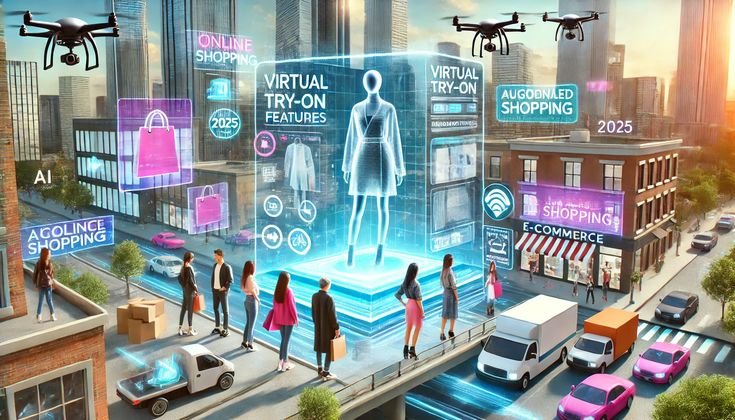
The next phase of global retail is moving beyond websites and apps altogether. Shopping is becoming part of the places where consumers already spend their time—social platforms, messaging services, search engines, smart devices and, increasingly, AI-powered assistants.
The question for retailers is no longer simply, “How good is our online store?”
It is becoming, “Where will our customers discover, compare and buy products next?”
The Store Is No Longer a Destination
A traditional e-commerce journey usually begins with a retailer’s website or app. A customer knows what they want, searches for it and eventually checks out.
That journey is being broken apart.
A shopper might discover a pair of shoes through a social media video, ask an AI assistant to find similar products, compare prices across several retailers and complete the purchase without ever opening the original retailer’s app.
The retailer’s digital storefront still exists, but it is no longer necessarily the starting point.
This is an important change because digital commerce is becoming less about driving customers to one destination and more about being present across many digital environments.
Social Media Is Becoming a Shop Window
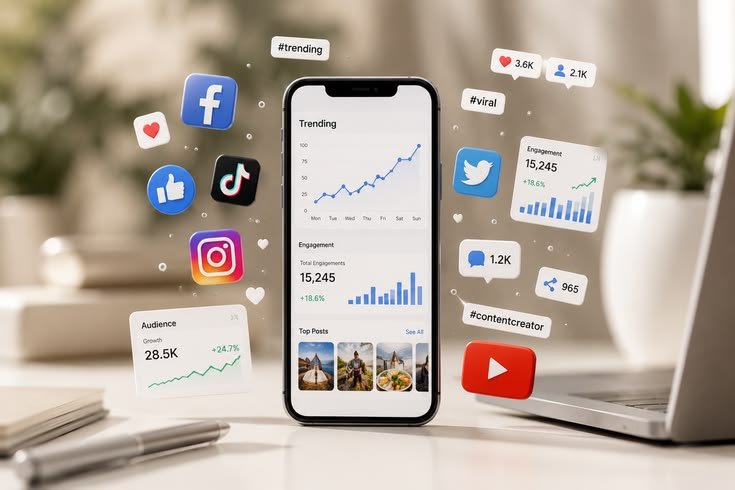
Social commerce has already demonstrated what happens when entertainment and shopping overlap.
A person watching a fashion video does not necessarily think, “I am going shopping now.” They are simply browsing. Then they see something they like, tap the product and potentially buy it.
The same idea is spreading across categories, from beauty and fashion to food, electronics and home products.
For retailers, this changes marketing as well as sales. Content is no longer just something created to build awareness. It can become part of the transaction itself.
A useful product video, an influencer recommendation or a livestream demonstration can take a customer from discovery to purchase in a matter of minutes.
AI Could Change the Shopping Journey Again
Artificial intelligence introduces an even bigger shift.
Instead of searching through dozens of websites, consumers can increasingly ask AI tools to narrow down their choices. They might describe what they need, provide a budget and ask for recommendations.
That changes the role of search.
Retailers have spent years optimising websites so that customers can find them through traditional search engines. In an AI-assisted shopping environment, they may also need to make their products, pricing, availability and information understandable to machines that help make purchasing decisions.
This could create a new form of digital competition.
Two retailers might sell similar products, but the one with clearer product information, reliable inventory data and stronger digital infrastructure could be easier for an AI system to recommend.
Physical Stores Aren’t Going Away
It would be easy to assume that this means the end of physical retail.
The reality is more complicated.
Physical stores still offer something websites cannot completely reproduce: the ability to touch a product, try something on, speak to an employee or take an item home immediately.
What is changing is the relationship between physical and digital shopping.
A customer might research a product online, visit a store to see it in person and then receive a personalised offer on their phone. Another shopper might discover a product through social media and pick it up from a nearby store the same afternoon.
The boundaries between online retail and physical retail are becoming increasingly difficult to separate.
Retailers Have More Touchpoints—and More Problems to Solve
Being everywhere sounds attractive, but it also creates a practical headache.
Every new shopping channel needs accurate product information, consistent pricing, inventory visibility, customer support and secure payments. A retailer that sells through a website, marketplace, social platform and AI-powered shopping service has to keep all of those channels connected.
If the information is inconsistent, customers notice quickly.
Nothing damages trust faster than seeing a product advertised as available, only to discover at checkout that it is out of stock.
This means the less visible parts of retail technology—data management, APIs, inventory systems and order infrastructure—are becoming just as important as the storefront customers see.
The Next Retail Battle Is About Presence
The future of retail probably won’t be defined by one platform replacing another.
Websites and apps will remain important. But they will increasingly become parts of a much larger shopping ecosystem.
The strongest retailers may be the ones that understand where customers are spending their attention and make it easy to move from discovery to consideration to purchase, regardless of where that journey begins.
The retail store of the future, in other words, may not have a single front door.
It could begin with a TikTok video, continue through an AI recommendation, pass through a messaging conversation and end at a physical checkout—or happen entirely through a voice command.
The global retail race is moving beyond websites and apps because shopping itself is becoming more fluid.
Retailers are no longer competing only for visits to their stores.
They are competing to be present wherever the next customer happens to be.