

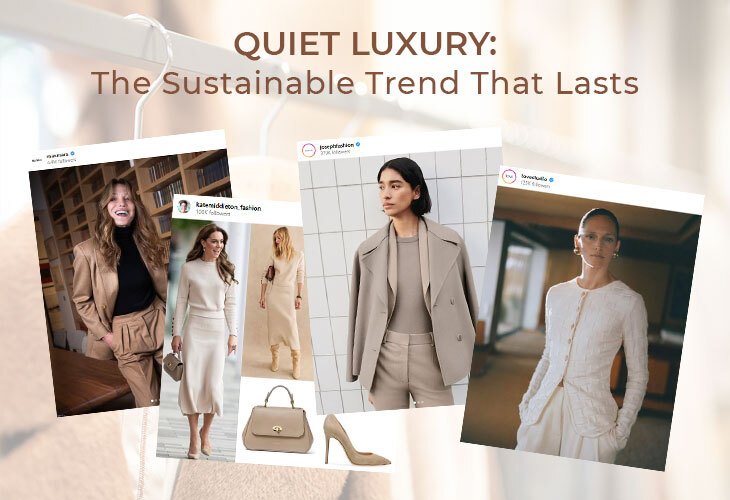
In an era once defined by bold logos, flashy designs, and viral fashion moments, a softer and more understated trend continues to hold its ground: quiet luxury. Also known as “stealth wealth,” quiet luxury focuses on refined craftsmanship, timeless silhouettes, and subtle elegance rather than obvious branding. Even as trends shift rapidly, quiet luxury remains one of the most influential movements in fashion today—and its staying power reveals a lot about changing consumer values.
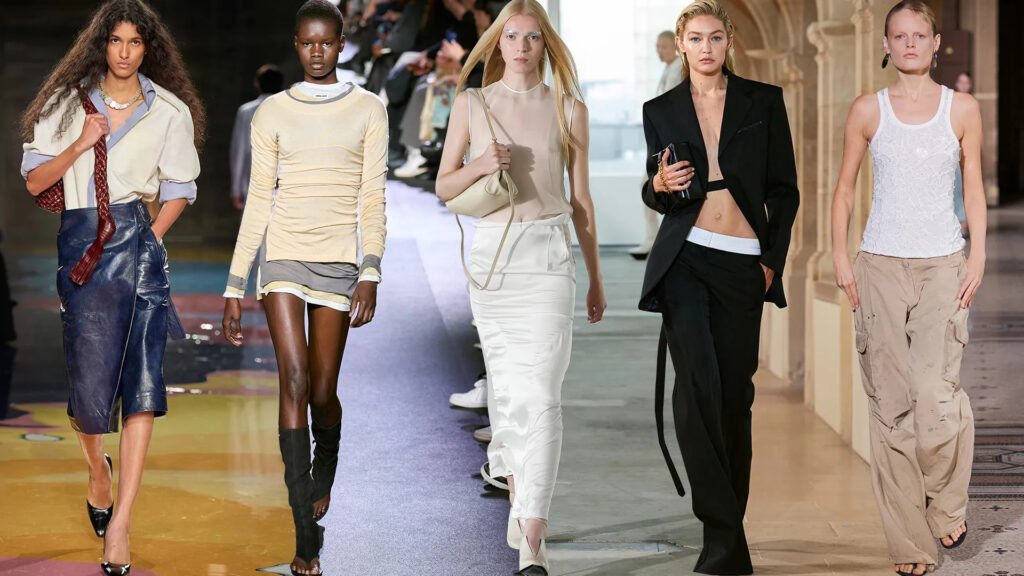
At its core, quiet luxury is about quality over visibility. Instead of large logos or trend-driven pieces, this style emphasizes premium fabrics, clean tailoring, and neutral color palettes. Think well-cut coats, silk blouses, cashmere knits, and structured trousers that can be worn for years. Brands associated with quiet luxury invest heavily in craftsmanship, ensuring that each piece feels luxurious without needing to announce it loudly.
One reason quiet luxury continues to dominate is a shift in consumer mindset. Today’s fashion consumers are more conscious of how and why they spend. After years of fast fashion and overconsumption, many people are moving toward fewer, better-quality pieces. Quiet luxury aligns perfectly with this approach, offering longevity and versatility rather than short-lived trends. A well-made garment that works across seasons feels like a smarter investment.
Social and economic factors have also played a role. During times of global uncertainty, understated fashion often becomes more appealing. Quiet luxury projects stability, confidence, and restraint—qualities that resonate when excess feels out of place. Wearing simple, elegant clothing suggests a sense of self-assurance that doesn’t rely on external validation. In many ways, quiet luxury has become a visual language for maturity and sophistication.
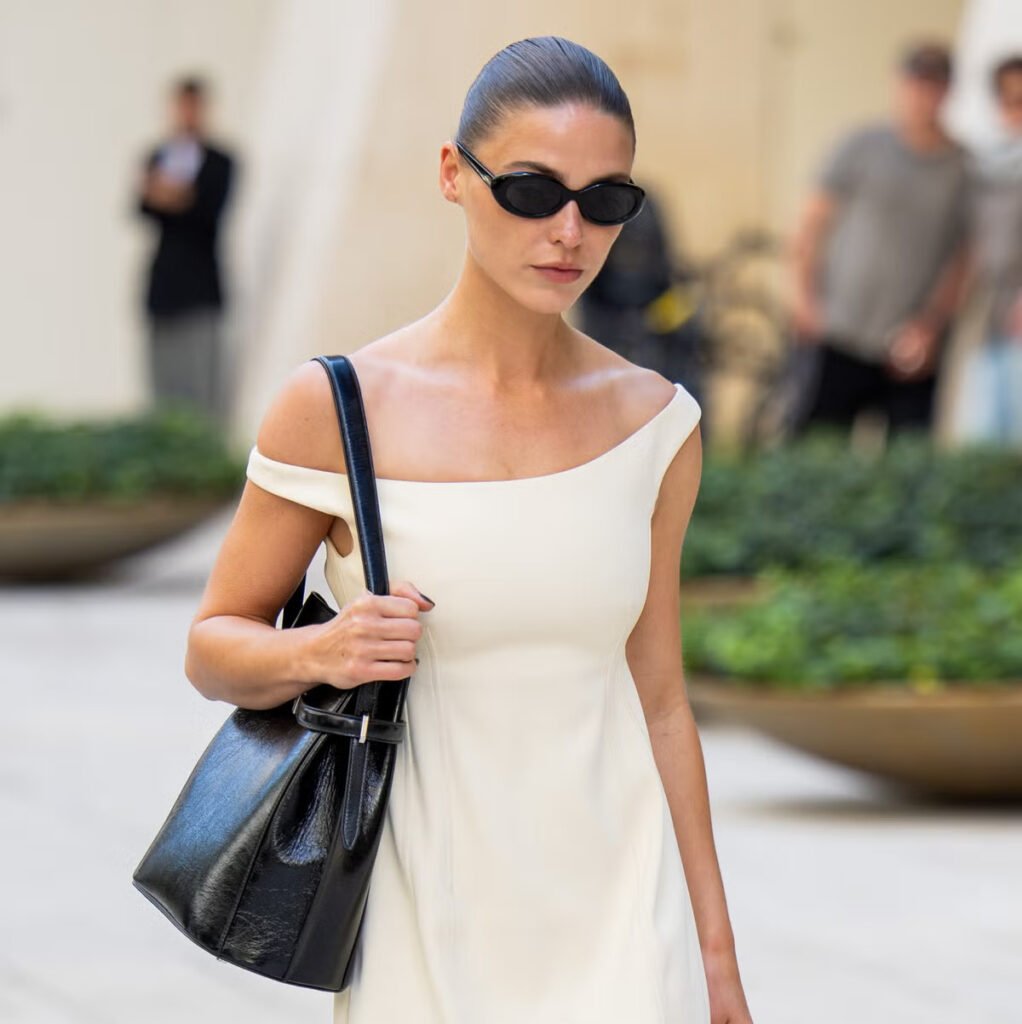
Pop culture has further fueled the trend. Television shows, celebrity wardrobes, and public figures increasingly favor minimalist looks. Rather than red carpet drama, many style icons are opting for neutral tones, classic tailoring, and effortless elegance. These looks feel attainable yet aspirational, making them especially influential. Social media platforms have amplified this aesthetic, turning minimal outfits into highly shareable style inspiration.
Another key factor behind quiet luxury’s popularity is its adaptability. These pieces work across multiple settings—from work to casual outings to formal events. A tailored blazer, for example, can be dressed up or down, making it more useful than trend-driven items. This flexibility appeals to modern lifestyles where people seek clothing that fits seamlessly into different parts of their day.
Sustainability is also closely linked to the quiet luxury movement. While not all luxury brands are sustainable, the idea of buying fewer, longer-lasting items supports more responsible consumption. Consumers who care about environmental impact often prefer durable, timeless clothing over disposable fashion. Quiet luxury encourages mindful shopping, which aligns with growing awareness around sustainability and ethical production.
Importantly, quiet luxury is not about showing wealth—it’s about expressing personal style without excess. This shift reflects a broader cultural change where individuality and authenticity are valued more than status symbols. Fashion becomes a form of self-expression rather than a display of brand loyalty. In this sense, quiet luxury feels more personal and less performative.
In conclusion, quiet luxury continues to dominate fashion because it speaks to modern values: quality, longevity, confidence, and restraint. In a fast-paced, trend-saturated world, its calm and timeless appeal offers something refreshing. As long as consumers seek meaningful, versatile, and well-crafted clothing, quiet luxury will remain more than just a trend—it will be a lasting style philosophy.