


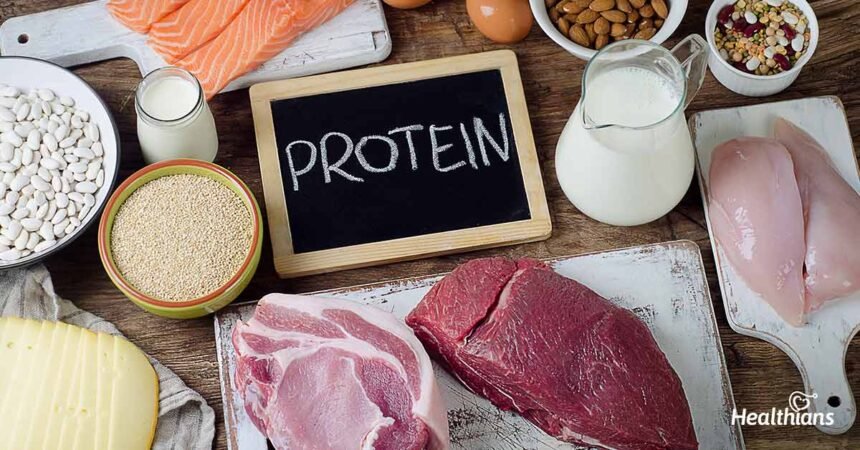
Protein has long been associated with bodybuilders, athletes, and fitness enthusiasts. For years, it was seen as a niche nutrient—something you worried about only if you were lifting weights or trying to build muscle. Today, that perception is changing fast. More people than ever are rethinking their protein intake, and the shift goes far beyond the gym. From busy professionals to older adults and health-conscious families, protein is becoming a central part of everyday lifestyle conversations.
A Growing Awareness of Everyday Nutrition
One major reason for this shift is increased awareness about nutrition. People are no longer focused solely on calories; they want to understand what they are eating and how it affects their bodies. Protein stands out because of its role in muscle maintenance, metabolism, immunity, and overall health. As more research and credible health information become accessible, individuals are realizing that adequate protein intake is essential at every stage of life—not just during intense physical training.
Lifestyle Changes and Busy Routines
Modern lifestyles are more demanding than ever. Long work hours, high stress, and limited time for home-cooked meals often lead to diets high in refined carbohydrates and low in quality nutrients. Many people experience energy crashes, constant hunger, or difficulty maintaining a healthy weight. Protein helps address these issues by promoting satiety, stabilizing blood sugar levels, and supporting sustained energy throughout the day. As a result, people are consciously adding more protein to meals to feel fuller for longer and reduce unhealthy snacking.
Weight Management and Metabolic Health
Another key driver is the growing focus on sustainable weight management. Unlike fad diets that promote extreme restrictions, higher-protein diets are seen as practical and maintainable. Protein has a higher thermic effect compared to fats and carbohydrates, meaning the body burns more calories digesting it. It also helps preserve lean muscle mass during weight loss, which is crucial for long-term metabolic health. These benefits have made protein an attractive option for people looking to manage weight without compromising nutrition.
Changing Fitness and Wellness Goals
Fitness goals themselves have evolved. Today, many people prioritize strength, mobility, and long-term wellness over appearance alone. Protein plays a vital role in muscle repair, recovery, and preventing age-related muscle loss. As strength training gains popularity among all age groups, protein intake naturally becomes more important. Even those who exercise moderately are recognizing that protein supports recovery and helps them stay active and injury-free.
Rise of Diverse Protein Sources
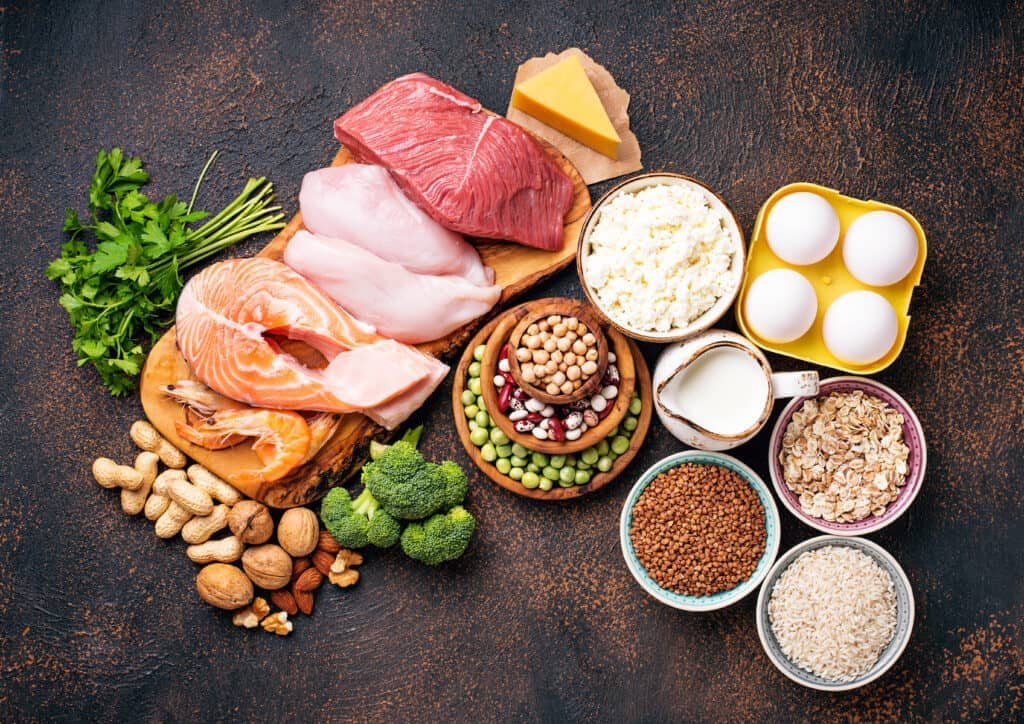
The protein conversation has also expanded thanks to the availability of diverse sources. It’s no longer limited to chicken, eggs, or whey shakes. Plant-based proteins like lentils, chickpeas, tofu, tempeh, nuts, and seeds are now widely accepted and accessible. Alternative proteins, fortified foods, and clean-label protein products have made it easier for people with different dietary preferences to meet their needs. This inclusivity has encouraged more people to rethink how they consume protein, not just how much.
Aging Population and Preventive Health
As populations age, preventive health is becoming a priority. Protein is critical in preventing muscle loss, supporting bone health, and maintaining independence in older adults. Healthcare professionals increasingly emphasize adequate protein intake as part of healthy aging strategies. This advice is filtering into mainstream awareness, prompting middle-aged and older individuals to reassess their daily protein consumption.
A Shift from Short-Term Diets to Long-Term Habits
Perhaps the biggest reason people are rethinking protein is a broader mindset shift—from short-term dieting to long-term lifestyle habits. Protein is no longer viewed as a temporary fix but as a foundational nutrient that supports daily function, resilience, and overall well-being. People are learning to distribute protein across meals, choose quality sources, and integrate it naturally into their routines.
Conclusion
The renewed focus on protein reflects a deeper understanding of health and nutrition. As lifestyles change, fitness goals evolve, and awareness grows, protein has emerged as more than just a macronutrient—it’s a lifestyle choice. By rethinking protein intake, people are moving toward more balanced, informed, and sustainable ways of eating that support their bodies today and in the long run.