

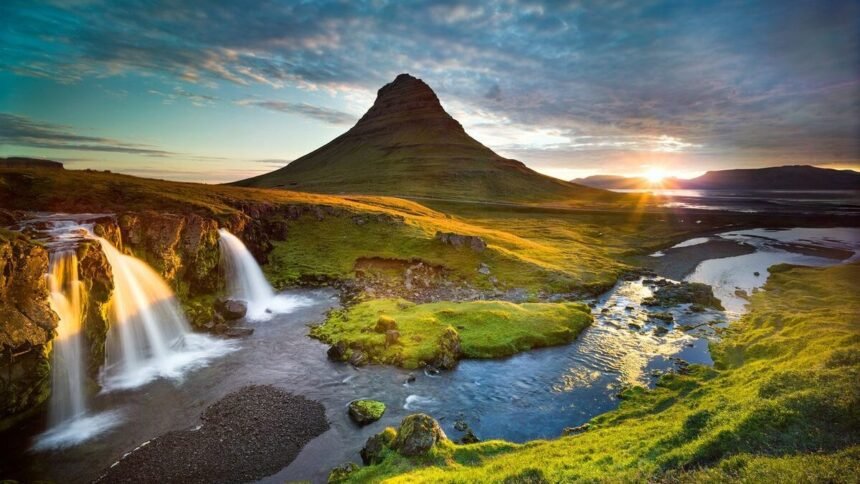
There is a specific kind of silence in the Icelandic Highlands that feels heavy, like the air is holding its breath. I remember standing at the edge of a fresh lava field on the Reykjanes Peninsula last Tuesday. The ground was no longer erupting, but it wasn’t dead, either. Small, ghostly plumes of steam rose from the obsidian cracks, and if I pressed my gloved hand against the rock, I could still feel the literal heartbeat of the planet.
This is the Iceland they don’t always show you in the polished ads. It’s not just “scenery”; it’s a confrontation with how small we really are.
The Blue Chill and the Black Grit
We reached Diamond Beach just as a storm was pulling back into the Atlantic. If you haven’t been, it’s a surreal graveyard of ice. Massive, translucent chunks of the Vatnajökull glacier wash up on sand so black it looks like crushed velvet.
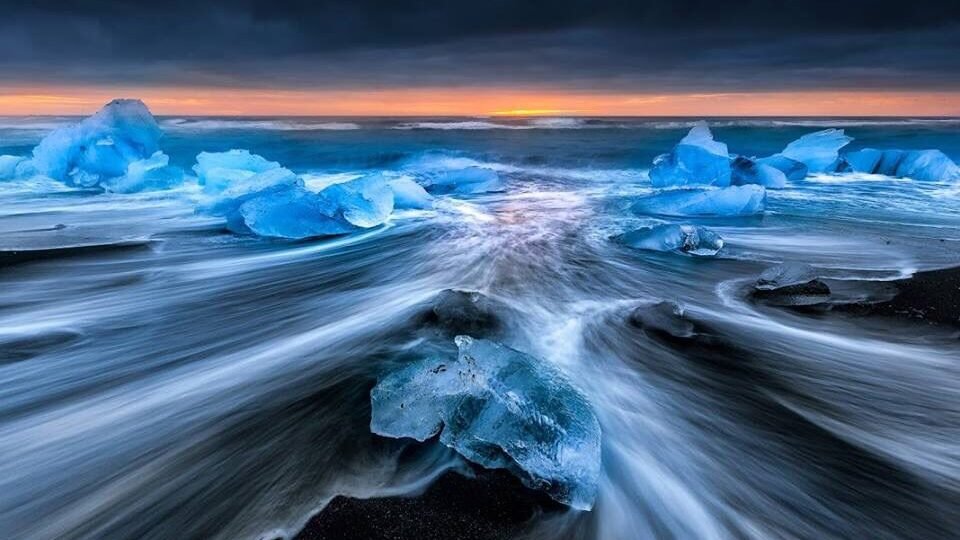
I sat there for an hour, watching the tide pull at the ice. You hear the “geometry” of the waves—the sharp clink of ice hitting ice. My boots were covered in that fine, stubborn volcanic grit that finds its way into every seam of your clothes. It’s a reminder that here, the “Fire and Ice” aren’t just metaphors; they are physical forces that grind against each other until everything—including you—feels a little more raw.
Chasing a Ghost in the Sky
People talk about the Northern Lights like it’s a scheduled performance. In 2026, during this solar maximum, the sky is more restless than usual. But it’s never a guarantee.
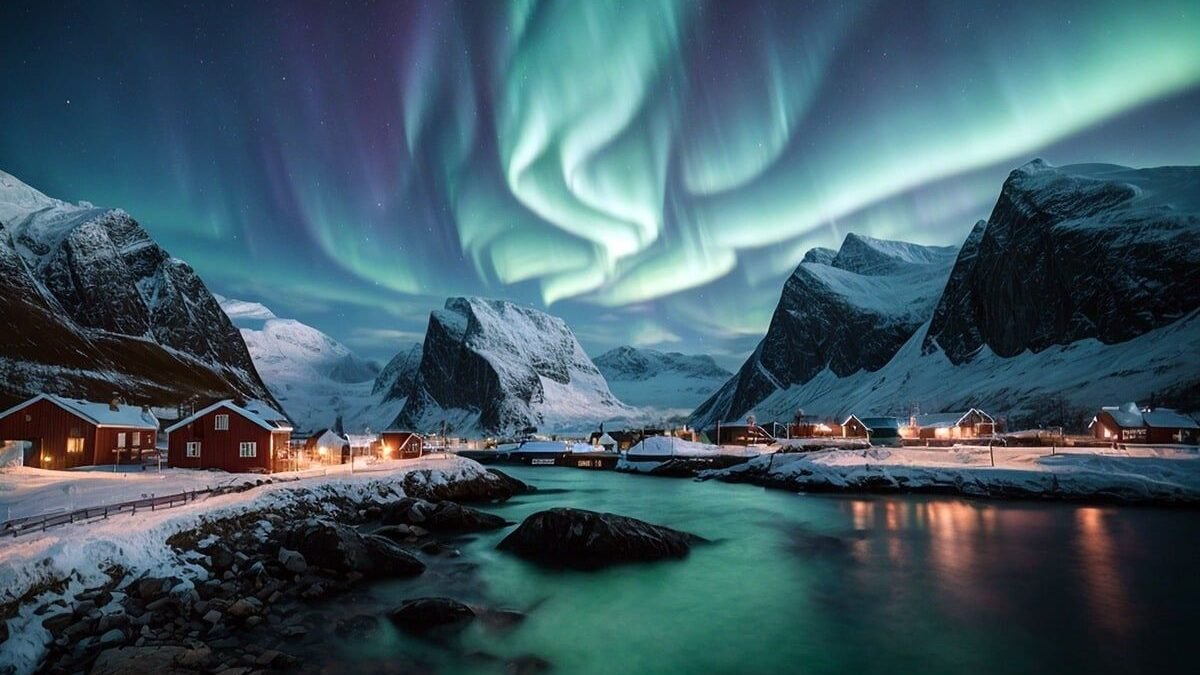
We spent three nights in a van near Vík, freezing our toes off and staring at a blank, grey sky. Then, at 2:00 AM, the clouds tore open. It wasn’t the neat, green arc you see on Instagram. It was a violent, pulsing violet that smeared across the stars like wet paint. I forgot to take my camera out. I just stood there in the wind, my breath hitching, feeling a strange, primal urge to just keep quiet. You don’t “capture” a moment like that; you just let it happen to you.
The Cathedral of Basalt
We hiked into Stuðlagil Canyon late in the afternoon. Most people take the photo from the top and leave. Don’t do that. Climb down.
When you’re standing at the bottom, surrounded by those hexagonal basalt columns, it feels like you’ve accidentally walked into a cathedral built by a civilization that predates humanity. The columns aren’t perfect; they’re scarred and weathered. They reminded me of the “Quiet Geometry” I’ve written about before—the idea that nature has an order, even in its most violent outbursts.
Editor’s Personal Note: Why We Come Back
Iceland in 2026 is a lot of things. It’s expensive, the weather is a bully, and your hair will never look good in the wind. But we come here because it’s one of the few places left where you can’t pretend to be in control.
A Real Human Tip: If you’re coming for the Solar Eclipse in August, skip the big tours in Reykjavik. Rent a 4×4, drive into the Westfjords, and find a spot where the only other living thing is a stray sheep. When the sun disappears and the temperature drops ten degrees in a minute, you’ll want to be alone with the silence.