


Rising gold and silver prices are often more than just a commodities story—they act as powerful signals about the health, direction, and sentiment of the global economy. When investors flock to precious metals, it usually reflects deeper concerns about growth, stability, inflation, or geopolitical risk. In 2026, the upward movement in gold and silver prices is sending several important economic messages worth understanding.
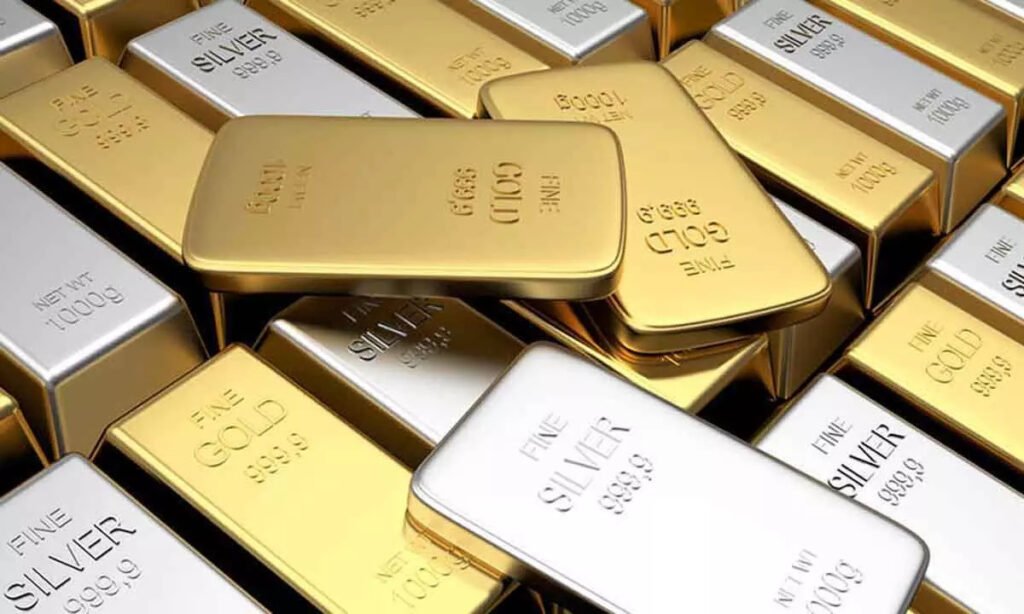
A Flight to Safety Amid Global Uncertainty
One of the clearest signals of rising gold and silver prices is increased global uncertainty. Investors traditionally view precious metals as safe-haven assets, meaning they tend to hold or increase in value during times of crisis. Ongoing geopolitical tensions, regional conflicts, political instability, and fragile diplomatic relations push investors away from riskier assets like equities and toward gold and silver.
When uncertainty dominates headlines, demand for assets not tied to any single government or currency rises—boosting precious metal prices worldwide.
Concerns About Inflation and Currency Stability
Another major factor behind rising gold and silver prices is inflation anxiety. Even when inflation appears to be moderating, fears of persistent price pressures remain. Gold, in particular, has long been used as a hedge against inflation because it tends to preserve purchasing power over time.
Silver shares this trait, but it also benefits from industrial demand. When investors worry about the weakening value of fiat currencies due to high debt levels, aggressive monetary policies, or currency devaluation, they turn to tangible assets like gold and silver for protection.
In simple terms, rising metal prices often suggest declining confidence in paper currencies.
Expectations of Lower Interest Rates
Gold and silver are non-yielding assets, meaning they do not generate interest or dividends. When interest rates are high, holding precious metals is less attractive. However, expectations of rate cuts or looser monetary policy make gold and silver more appealing.
Rising prices can therefore signal that markets expect central banks—especially the U.S. Federal Reserve—to slow down or reverse tightening cycles. This expectation often emerges when economic growth weakens or recession risks increase, making precious metals more competitive compared to bonds or savings instruments.
Warning Signs of Slowing Economic Growth
Higher gold and silver prices may also reflect concerns about slowing global growth. Weak economic data, declining manufacturing output, or fragile labor markets can trigger defensive investment strategies. Investors seek stability rather than growth, increasing allocations to metals.
Silver’s performance is particularly interesting because it straddles both investment and industrial use. When silver prices rise alongside gold, it often suggests that markets are balancing optimism about long-term technological demand with short-term economic caution.
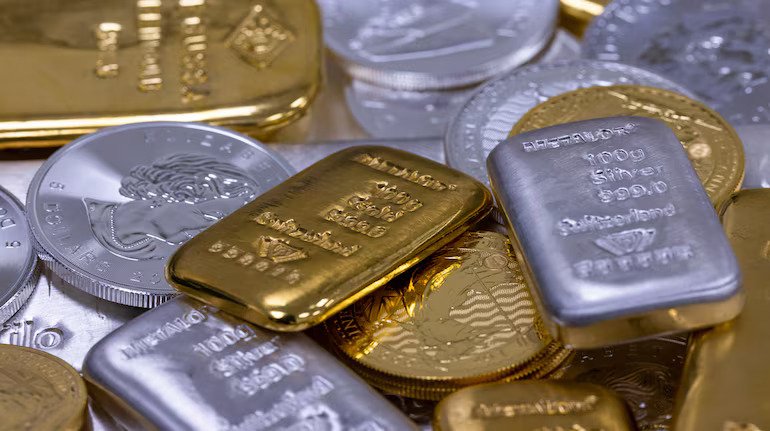
Central Bank Behavior and Global Reserves
Another strong signal comes from central bank gold buying. Many central banks, especially in emerging markets, have been increasing their gold reserves to diversify away from the U.S. dollar. Rising gold prices often reflect this institutional demand.
This trend signals a broader shift in the global financial system—one where countries seek resilience against currency risk, sanctions, and global financial volatility.
Investor Sentiment Turning Defensive
Perhaps the most important message from rising gold and silver prices is a change in investor psychology. Markets may still show pockets of optimism, but precious metal rallies suggest caution beneath the surface. Investors are preparing for potential shocks—whether economic, political, or financial.
This defensive positioning doesn’t always mean a crisis is imminent, but it does indicate that confidence in sustained, smooth growth is weakening.
What This Means Going Forward
Rising gold and silver prices do not point to a single outcome but rather a combination of global concerns. They suggest:
- Increased economic and geopolitical uncertainty
- Persistent inflation and currency risks
- Expectations of easier monetary policy
- Slower or uneven global growth
- Defensive investor behavior
For policymakers, these signals are warnings. For investors, they are indicators to reassess risk exposure and diversification strategies.
Conclusion
Gold and silver prices act like economic thermometers, measuring global stress levels. Their rise in 2026 signals caution, uncertainty, and a search for stability in an unpredictable world. While markets may continue to fluctuate, precious metals are reminding us that confidence in the global economy remains fragile—and that investors are preparing accordingly.
Understanding these signals helps decode not just commodity trends, but the broader economic story unfolding worldwide.