


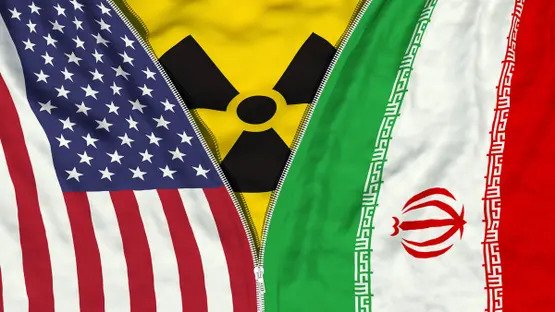
The world is watching one of the most intense foreign-policy crises of the decade: the mounting tension between Iran and the United States. Far from a simple clash over ideology, this standoff in early 2026 has become a complex puzzle of military preparations, nuclear diplomacy, and shifting regional alliances — all with far-reaching global consequences.
A Turn in the Crisis: From Diplomacy to Deadlines
A central feature of this standoff has been the nuclear negotiations between the two powers. Indirect talks — held in places like Oman and Geneva — aim to find common ground on Iran’s nuclear activities. While there have been agreements on broad guiding principles, these talks have not yet produced a final deal, and the lack of concrete progress keeps tensions high.
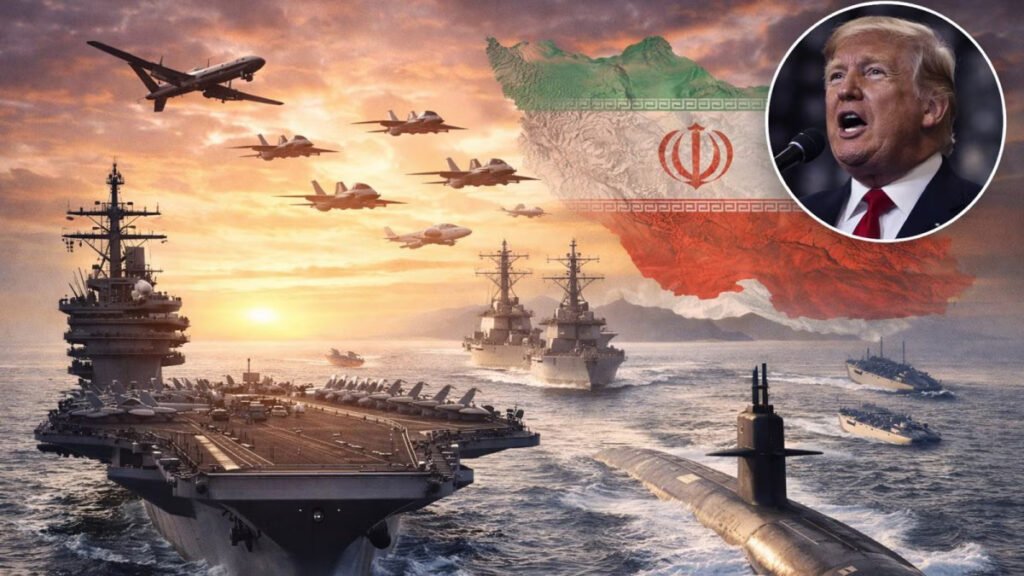
At the same time, the U.S., under President Donald Trump, has issued stern deadlines and warnings, demanding that Iran make significant concessions on nuclear enrichment or face serious consequences.
This blend of cautious diplomacy and hard line political pressure shows that the situation remains a delicate diplomatic tightrope — one where missteps could have serious consequences.
Military Preparedness: Posture, Buildup, and Fortifications
While diplomats deliberate, both countries are reinforcing their military positions:
- The United States has significantly increased its military presence across the Middle East, including carrier strike groups and air assets, signaling readiness for potential operations should diplomacy falter.
- Iran, for its part, is strengthening its defensive sites, with satellite evidence showing reinforced fortifications at key military facilities — an indication of acute concern about possible attacks.
- Tehran and its partners have conducted military drills in strategic waters, underscoring their capability to influence critical maritime routes.
These developments suggest that both sides are preparing for a range of contingencies — from continued standoffs to direct conflict — making the strategic calculus more complicated.
Regional and Global Repercussions
The ripple effects of the Iran-US tension extend beyond Tehran and Washington:
- U.S. diplomatic missions in Iraq and the wider region have scaled back their presence amid safety concerns, reflecting broader unease about escalating tensions.
- Countries across the Middle East, including Israel, are also adjusting their military readiness out of concern that conflict could spill over into other fronts.
- Oil markets are highly sensitive to the standoff because Iran sits adjacent to the Strait of Hormuz, a chokepoint for around one-fifth of global crude shipments. Even the threat of disruption in this area can send energy prices upward or down — depending on perceived risk and diplomatic progress.
This tension does not exist in isolation; it interacts closely with broader Middle Eastern geopolitics and energy economics.
Why This Matters to the World
The Iran-US standoff in 2026 is more than a political headline — it is a geopolitical flashpoint with real consequences:
⚔️ 1. Risk of Military Confrontation
With armies and navies on alert and both sides broadcasting their readiness, the possibility of a direct clash — however unwanted by many — cannot be ruled out.
🕊️ 2. Diplomatic Stakes
Nuclear negotiations remain the primary avenue to ease tensions, but without substantive breakthroughs, political rhetoric could again override peace efforts.
📈 3. Economic Impact
Energy markets, global trade, and even financial sectors are sensitive to any escalation. A crisis in the Strait of Hormuz, for example, can instantly ripple through oil prices and inflation worldwide.
🌍 4. Regional Dynamics
Allies and neighbors — from U.S. partners to Gulf states — are adjusting their policies and military readiness, influencing the broader landscape of Middle Eastern security.
Looking Ahead: Uncertain but Pivotal
What makes this period especially critical is the twin push of diplomacy and deterrence. Delegates are still working through indirect negotiations, and both sides publicly stress they do not want war. Yet the military posturing — and hard deadlines from Washington — mean that the coming weeks and months could define the trajectory of this standoff.
As international actors push for compromise and regional stability, the ultimate question remains:
Can diplomacy prevail over escalation — or will miscommunication and mistrust push these two nations closer to open conflict?
Only time will tell, but the world watches closely.