


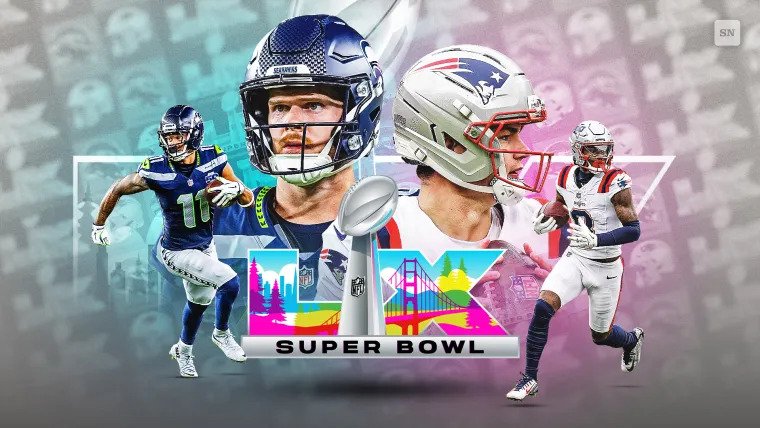
Every year, on a Sunday in late January or early February, the United States pauses for one of the most anticipated sporting events on the planet: the Super Bowl. More than just a championship game, the Super Bowl is a cultural phenomenon — a blend of elite sport, pop-culture spectacle, massive media attention, and commercial extravaganza that draws audiences from across the globe.
A Brief History
The Super Bowl began in 1967 as the championship game of the National Football League (NFL), emerging from a merger between the NFL and the rival American Football League (AFL). Originally known as the AFL-NFL World Championship Game, it became popularly known as the Super Bowl by 1969, and Roman numerals have been used ever since to identify each game.
The first Super Bowl saw the Green Bay Packers claim victory over the Kansas City Chiefs, setting the stage for decades of football lore and legendary matchups. Over time, teams like the New England Patriots, Pittsburgh Steelers, San Francisco 49ers, and Dallas Cowboys built dynasties with multiple titles.
The Game Itself
At its core, the Super Bowl is a football game — the final championship of the NFL season. The winners of the league’s two conferences, the American Football Conference (AFC) and the National Football Conference (NFC), meet to vie for the coveted Vince Lombardi Trophy, named after the legendary coach of the Green Bay Packers.
Each Super Bowl game is a culmination of months of intense regular-season play and elimination playoffs. The stakes are supreme: this one game decides the league champion for the season, a solitary title earned amid immense pressure and preparation.
Cultural and Commercial Phenomenon
But the Super Bowl has grown far beyond the sport itself. It has become a cultural event, akin to an unofficial national holiday in the United States. Families and friends host viewing parties, restaurants schedule special deals, and millions tune in — from die-hard football fans to casual viewers enticed by the show.
Statistically, the Super Bowl consistently ranks among the most-watched broadcast events in American television history. In recent years, viewership has routinely exceeded 100 million viewers, making it a global media magnet.
Halftime and Entertainment
One of the hallmark features of the Super Bowl isn’t the gridiron action alone — it’s the halftime show. What began as a modest interlude has ballooned into a pop-culture spectacle, featuring A-list performers whose names alone generate buzz worldwide. Past shows have included megastars like Beyoncé, Rihanna, and Usher; the 2026 halftime show — headlined by Bad Bunny with a surprise appearance from Lady Gaga — became one of the most talked-about performances in Super Bowl history, blending musical innovation with cultural pride.
Commercial Frenzy
Super Bowl commercials are themselves legendary. Companies pay millions for a 30-second slot, turning ads into mini-events filled with creativity, celebrity cameos, and viral moments. These commercials are so anticipated that many viewers tune in more for the ads than the football.
The 2026 Super Bowl: A Snapshot
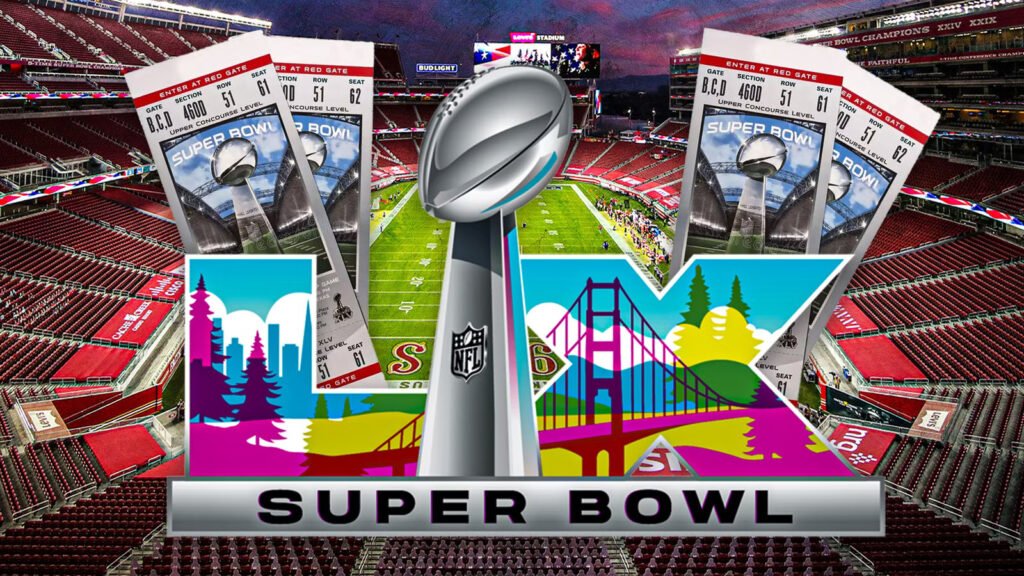
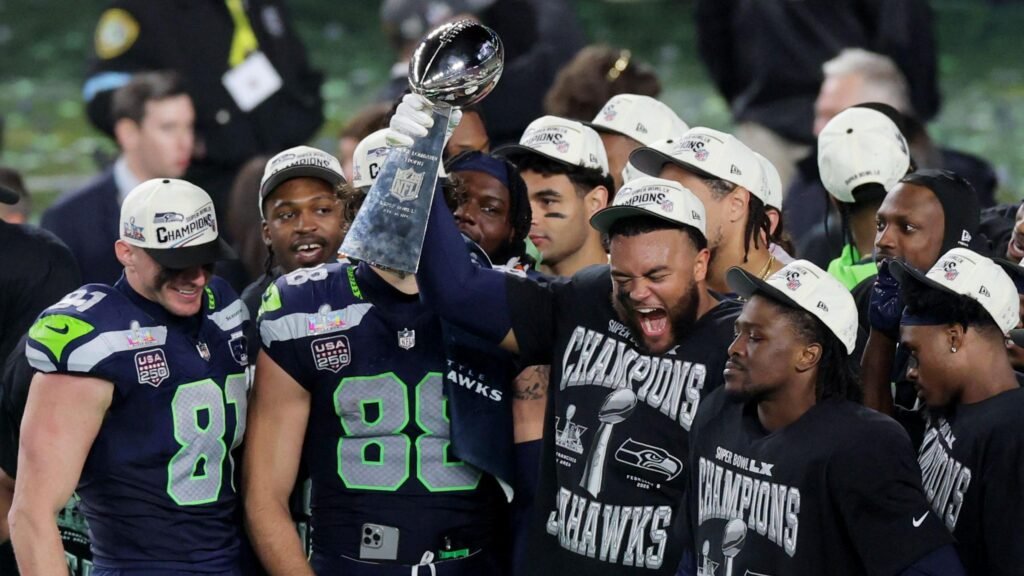
The most recent Super Bowl — Super Bowl LX, played in February 2026 at Levi’s Stadium in Santa Clara, California — showcased the Seattle Seahawks defeating the New England Patriots 29–13. The Seahawks claimed their second Super Bowl title, led by running back Kenneth Walker III, who was named Most Valuable Player after a dominant performance.
Beyond the game itself, the 2026 Super Bowl was remarkable for its cultural reach. Fans across Puerto Rico paused their viewing to celebrate Bad Bunny’s historic halftime performance — the first conducted entirely in Spanish — highlighting the event’s global influence on music and identity.
Why the Super Bowl Matters
The Super Bowl is more than a championship. It’s an annual moment that blends athletic excellence with cultural impact. Whether it’s the thrill of the game, the halftime show spectacle, the iconic commercials, or the shared experience of millions watching together, the Super Bowl has cemented itself as a defining event of American culture — and one that resonates around the world.