


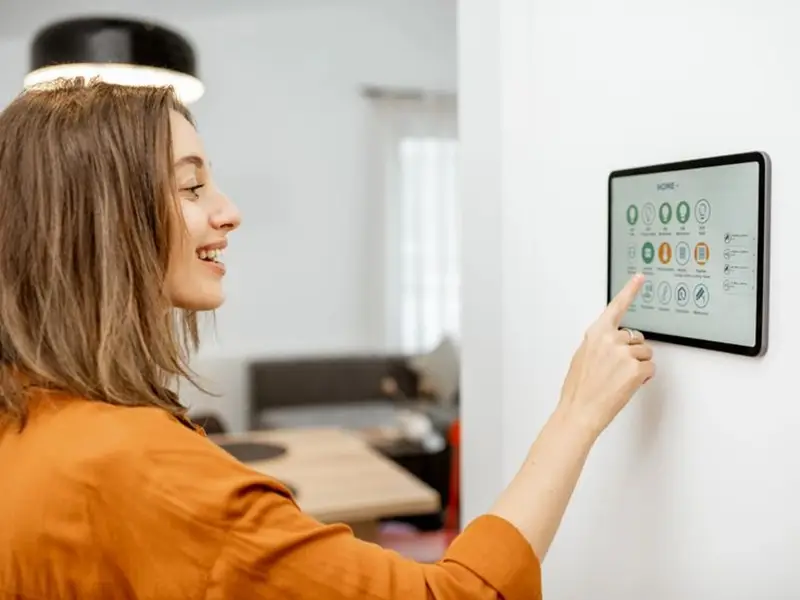
Smart homes are no longer a futuristic concept. From voice-controlled lights to app-connected security systems, smart devices have become part of everyday living. These technologies promise comfort, efficiency, and control, allowing users to manage their homes with a few taps or voice commands. However, as smart homes grow more common, concerns about data privacy and security are becoming just as significant as the convenience they offer.
What Defines a Smart Home?
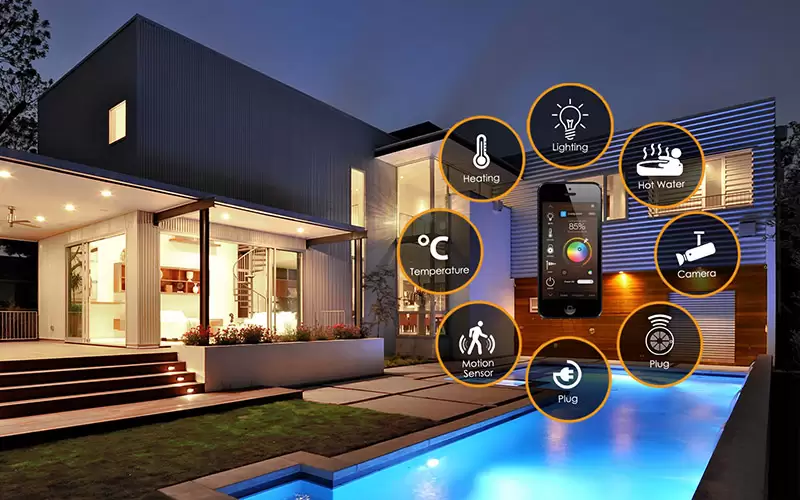
A smart home uses internet-connected devices to automate and manage household functions. Common examples include smart speakers, thermostats, door locks, cameras, lighting systems, and appliances. These devices often work together through a central app or digital assistant, creating an integrated living environment.
The main appeal lies in automation and customization. Users can schedule lights to turn off automatically, monitor energy usage, or control home systems remotely. For busy households, smart homes offer efficiency and peace of mind, making everyday tasks easier and more streamlined.
The Convenience Factor
One of the strongest arguments for smart homes is convenience. Automation reduces the need for manual control, saving time and effort. Smart thermostats adjust temperatures based on usage patterns, helping improve comfort while reducing energy costs. Smart lighting systems allow users to create moods, routines, and schedules that match their lifestyles.
Security is another major benefit. Smart doorbells, locks, and cameras provide real-time monitoring and alerts, allowing homeowners to check on their property from anywhere. For many users, this sense of control and awareness improves overall safety.
Accessibility also plays an important role. Smart home technology can support individuals with disabilities or limited mobility by enabling voice commands and automated systems. In this way, smart homes are not just convenient, but also inclusive.
The Privacy Trade-Off
Despite these advantages, smart homes raise serious privacy concerns. Most smart devices collect data to function effectively. This data can include voice recordings, location information, daily routines, and usage patterns. While companies often claim this data improves performance, it also creates potential risks.
Because smart devices are always connected, they can become targets for data breaches or unauthorized access. Weak passwords, outdated software, or poorly secured networks can expose personal information. In some cases, hackers have gained access to smart cameras or speakers, highlighting the vulnerabilities of connected homes.
There is also concern about how companies use collected data. Information gathered from smart homes may be stored, analyzed, or shared with third parties. Even when data is anonymized, users often have limited understanding of how much information is collected and how long it is retained.
Balancing Innovation and Responsibility
The challenge for the smart home industry is balancing innovation with responsibility. Manufacturers must prioritize strong security measures, including encryption, regular updates, and transparent privacy policies. Clear communication about data collection and user consent is essential to building trust.
Consumers also play a role in protecting their privacy. Simple steps such as using strong passwords, enabling two-factor authentication, updating device software, and reviewing privacy settings can significantly reduce risks. Being selective about which devices are truly necessary can also limit unnecessary data exposure.
The Future of Smart Homes
As smart homes continue to evolve, privacy awareness is becoming a key factor in consumer decision-making. Many users now value control over their data as much as convenience. This shift is encouraging companies to develop privacy-focused features, such as local data processing and customizable permissions.
The rise of smart homes reflects a broader trend toward connected living. While these technologies offer undeniable benefits, they also require careful consideration. The future of smart homes will depend on finding the right balance—where convenience enhances daily life without compromising privacy and security.