



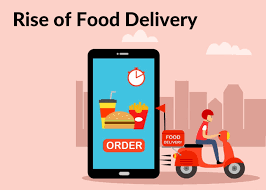
In today’s fast-paced digital world, convenience has become a top priority for consumers. With just a few taps on a smartphone, people can order their favorite meals and have them delivered straight to their doorstep. Food delivery apps have transformed the way we eat, turning traditional dining into a seamless digital experience. Over the past decade, platforms like Uber Eats, Zomato, Swiggy, and DoorDash have reshaped the global food industry, making online ordering a daily habit rather than an occasional luxury.
The Shift Toward Digital Convenience
The rise of smartphones and affordable internet access has played a crucial role in the growth of food delivery apps. Consumers today expect speed, simplicity, and flexibility. Instead of waiting in long restaurant queues or cooking after a tiring day, users can scroll through menus, compare prices, read reviews, and place orders within minutes. Secure digital payment options and real-time order tracking have further enhanced the user experience, building trust and reliability.
Busy lifestyles, especially in urban areas, have also fueled demand. Students, working professionals, and families increasingly rely on food delivery services to save time and effort. The digital era has made instant gratification the norm, and food delivery apps perfectly fit this expectation.
Impact of the COVID-19 Pandemic
The COVID-19 pandemic significantly accelerated the adoption of food delivery apps worldwide. With lockdowns and social distancing measures in place, dining out became limited. Restaurants had to adapt quickly, and online delivery became a lifeline for survival. Consumers who had never used food delivery apps before began exploring them out of necessity. What started as a temporary solution soon became a long-term habit for many.
Even after restrictions were lifted, the convenience of ordering online continued to attract customers. Restaurants, in turn, realized the importance of maintaining a strong digital presence. Many invested in better packaging, improved hygiene standards, and faster delivery systems to meet customer expectations.
Benefits for Restaurants and Businesses
Food delivery apps have opened new opportunities for restaurants and small food businesses. By partnering with delivery platforms, restaurants can reach a wider customer base without investing heavily in physical expansion. These apps provide marketing support, customer insights, and promotional tools that help businesses grow.
The rise of “cloud kitchens” or “ghost kitchens” is another outcome of this digital transformation. These kitchens operate solely for online orders, reducing operational costs like dining space and front-of-house staff. This model allows entrepreneurs to test new food concepts with lower risk.
Technology Driving Innovation
Technology lies at the heart of food delivery apps. Artificial intelligence and data analytics help platforms recommend dishes based on user preferences and previous orders. GPS tracking ensures accurate delivery routes, reducing waiting times. Customer feedback systems encourage quality control and continuous improvement.
Additionally, digital wallets, contactless payments, and subscription models have made transactions smoother. Loyalty programs and discounts keep customers engaged and encourage repeat orders. As technology continues to evolve, features like drone delivery and automated kitchens may further revolutionize the industry.
Challenges and Concerns
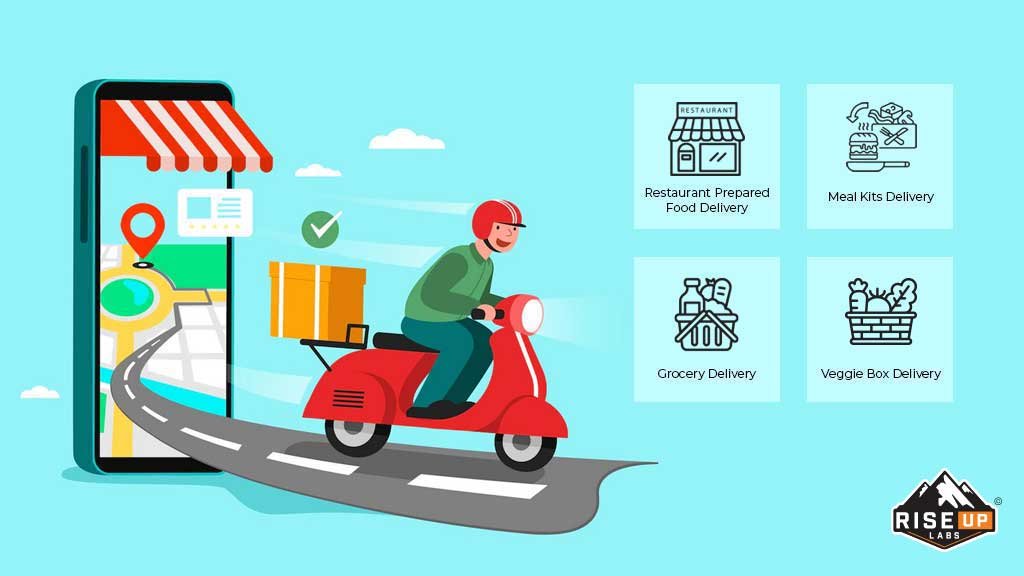
Despite their success, food delivery apps face challenges. High commission fees can put pressure on small restaurants. Delivery partners often deal with demanding schedules and income instability. Environmental concerns related to plastic packaging and increased traffic also raise questions about sustainability.
Moreover, heavy competition in the market forces companies to spend significantly on marketing and discounts. Balancing profitability while maintaining affordability remains a key challenge for these platforms.
The Future of Food Delivery
The future of food delivery apps looks promising. As digital infrastructure improves and consumer preferences continue to favor convenience, online food ordering is likely to grow even further. Innovations in sustainable packaging, electric delivery vehicles, and AI-powered logistics may address current challenges.
In conclusion, the rise of food delivery apps in the digital era reflects a broader shift toward convenience-driven living. What once seemed like a luxury service is now an essential part of modern life. As technology and consumer habits continue to evolve, food delivery apps will remain a powerful force shaping the global food industry.