


Traveling the world is one of life’s greatest experiences — from exploring ancient ruins in far-off lands to relaxing on pristine beaches in the tropics. But in 2026, global travel comes with heightened risks in many destinations, and it’s more important than ever to stay informed before you pack your bags. Governments and international agencies regularly update travel advisories based on real-time political, social, and environmental developments. Understanding these risks can protect your safety, finances, and peace of mind.
Why Travel Advisories Matter
Travel advisory systems — such as those from the U.S. State Department or the UK’s Foreign, Commonwealth & Development Office (FCDO) — categorize countries based on the level of risk for visitors. These advisories consider factors like civil unrest, terrorism, violent crime, health infrastructure, natural disasters, and the ability of governments to assist citizens abroad.
A Level 4 “Do Not Travel” advisory is the most serious classification, meaning authorities strongly recommend avoiding travel altogether due to severe danger.
Current High-Risk Destinations to Avoid
As of early 2026, several countries are under strict warnings, and travelers are urged to reconsider or avoid travel due to significant safety threats. †
1. Venezuela — Civil Unrest and Heightened Tensions

Venezuela is currently on many do not travel lists due to ongoing political instability and escalating conflict. Following recent military activity and international tensions, the U.S. and other countries have explicitly warned citizens against all non-essential travel — and even urged those already in the country to leave.
This volatile situation involves armed groups, roadblocks, and unpredictable security conditions, making it unsafe for tourists or casual visitors.
2. Libya — Armed Conflict and Crime
Libya has been designated a Level 4 travel warning area, with authorities citing widespread security risks, including terroristic violence, civil unrest, and the threat of landmines. The environment is highly unstable, and the ability of foreign governments to assist their citizens in emergencies is extremely limited.
3. Yemen — War and Travel Disruptions

Yemen remains one of the most hazardous travel destinations due to ongoing civil war. A recent state of emergency declaration and significant armed clashes have left travelers stranded on parts of the country’s remote islands. With limited flights and diminishing government support, travel here carries extreme risk.
4. Afghanistan, South Sudan & Syria — Ongoing Wars
Several conflict zones around the world continue to be unsafe for travel:
- Afghanistan — a long-standing advisory warns against travel due to insurgent activity and lack of stable governance.
- South Sudan — embroiled in internal conflicts, making safe travel uncertain at best.
- Syria — years of war have left much of the country unstable and dangerous for foreign visitors.
These are just a few examples of destinations with the highest levels of international warnings.
Moderate Risk Destinations to Reconsider
Not all warnings mean absolute danger, but many countries fall into categories urging travelers to “reconsider travel” due to crime, health concerns or social unrest. Examples include Colombia, Haiti, Jamaica, Nepal, and parts of Central America. These places may offer incredible cultural experiences — but they also pose increased risks that require strict precautions, such as avoiding risky areas, staying updated on local news, and registering with your embassy.
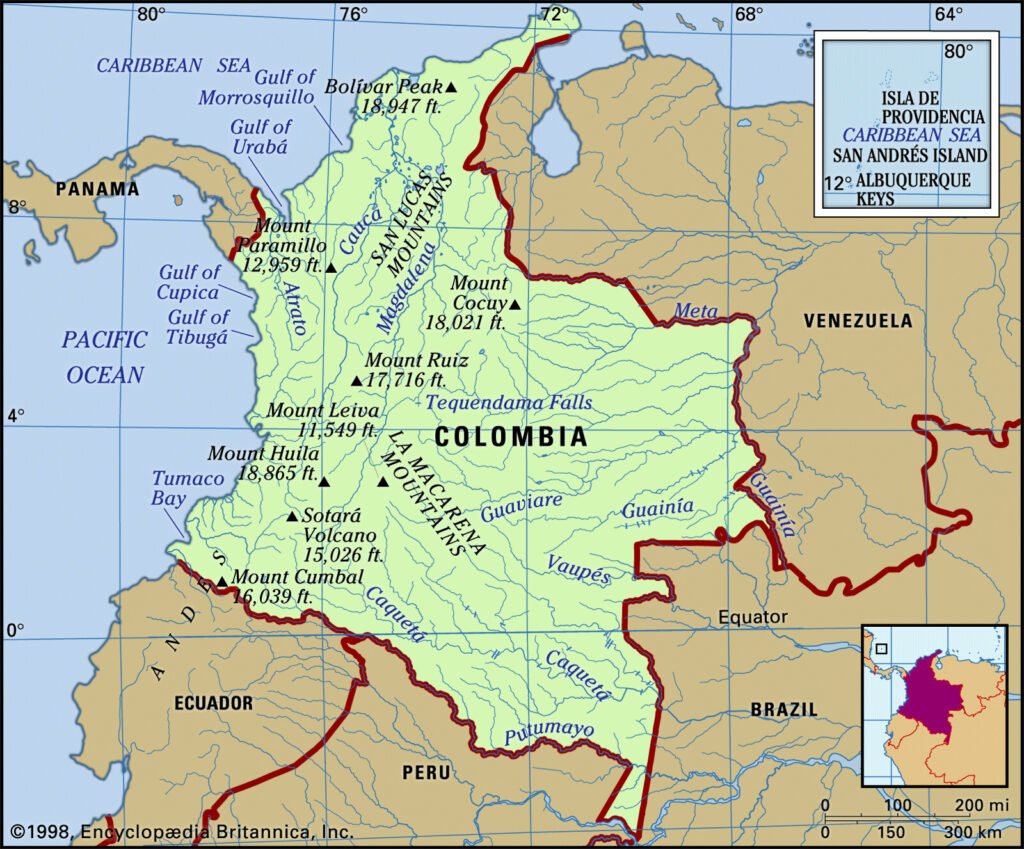
In many cases, crime — especially in urban centers — and limited emergency health care resources are major contributors to elevated advisories. Planning ahead and securing reliable local guidance can help reduce these risks.
Tips for Smart Travel Planning
Given today’s travel environment, here are some practical tips before you book a trip:
🛂 Check Official Advisories
Always start with trusted sources like government travel advisories (e.g., travel.state.gov) to evaluate risk levels for your destinations.
💡 Understand Why Risks Exist
Different risks require different responses. Terrorism, civil unrest, severe crime, and poor healthcare systems all affect travel safety differently. Knowing the specifics helps you prepare.
📊 Consider Travel Insurance
Comprehensive travel insurance — including evacuation coverage — can protect you financially if plans change due to sudden unrest or natural disasters.
📞 Stay Connected
Register with your embassy and share travel plans with trusted contacts. In emergency situations, this can be a lifesaver.
Final Thoughts
Travel continues to be a rewarding way to experience the world — but the realities of global security in 2026 mean you need to stay informed, flexible and cautious. Some destinations carry serious, documented risks, while others may be safe with the right preparation and awareness. By listening to official guidance and planning responsibly, you can protect your safety while still exploring the wonders our planet has to offer.