


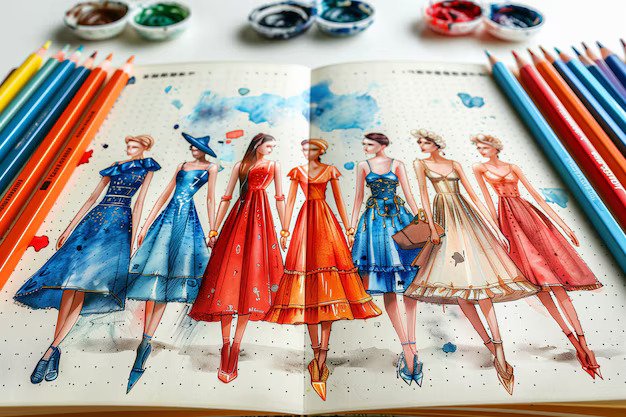
Fashion has always moved in cycles, but the speed and structure of those cycles have changed dramatically in the digital age. What once took decades to disappear and return can now trend, peak, and fade within weeks. Social media, e-commerce, and constant online exposure have transformed how trends are created, consumed, and replaced, reshaping the entire fashion ecosystem.
Traditional Fashion Cycles: A Slower Rhythm
Before the rise of digital platforms, fashion trends followed a relatively predictable timeline. Designers introduced collections during fashion weeks, magazines interpreted those collections months later, and consumers gradually adopted styles through retail stores. Trends moved from high fashion to mainstream culture in a top-down process that often took years.
This slower pace allowed trends to feel stable and long-lasting. Seasonal collections—spring/summer and fall/winter—defined what people wore, and trends were reinforced by limited media channels such as print magazines, television, and in-store displays.
The Digital Shift: Speed and Accessibility
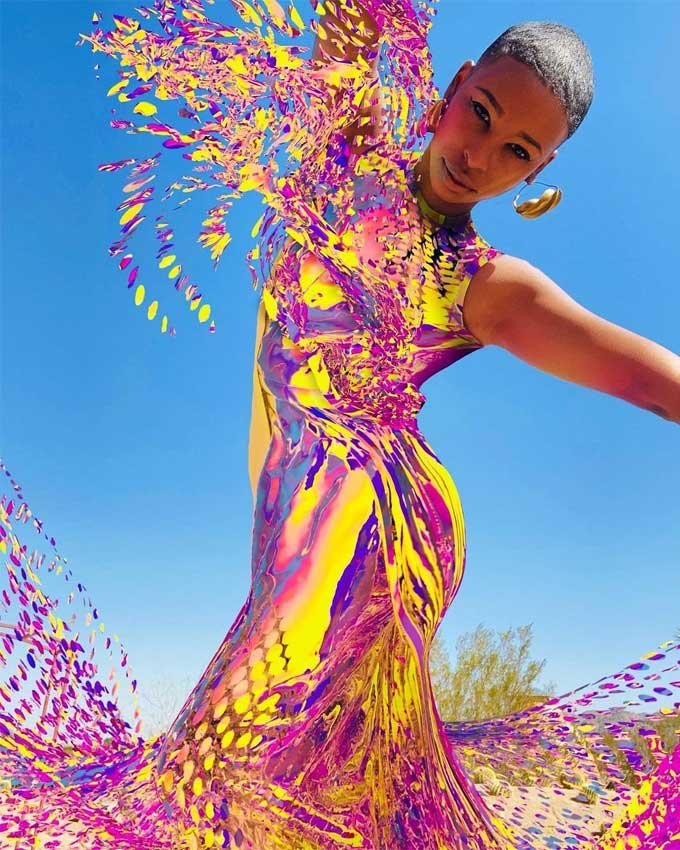
The digital age disrupted this structure. Social media platforms allow trends to emerge instantly, often without involvement from traditional fashion institutions. A single viral post, celebrity appearance, or influencer outfit can spark global demand overnight.
Unlike the past, fashion inspiration is now constant and accessible. Consumers no longer wait for magazines or runway reports—they scroll, save, share, and shop in real time. Online stores and fast fashion brands respond immediately, producing trend-based items at unprecedented speed. As a result, fashion cycles have compressed from years to months, or even days.
Micro-Trends and Trend Saturation
One of the most significant changes in the digital age is the rise of micro-trends. These are short-lived styles that gain popularity quickly but fade just as fast. Examples include aesthetic-based trends, specific color palettes, or niche silhouettes popularized online.
Micro-trends thrive because digital platforms prioritize novelty. Algorithms reward fresh content, pushing users to constantly seek something new. This creates trend saturation, where styles become overexposed before they have time to evolve naturally. While this encourages creativity and experimentation, it also contributes to fashion fatigue and overconsumption.
The Role of Consumers in Trend Creation
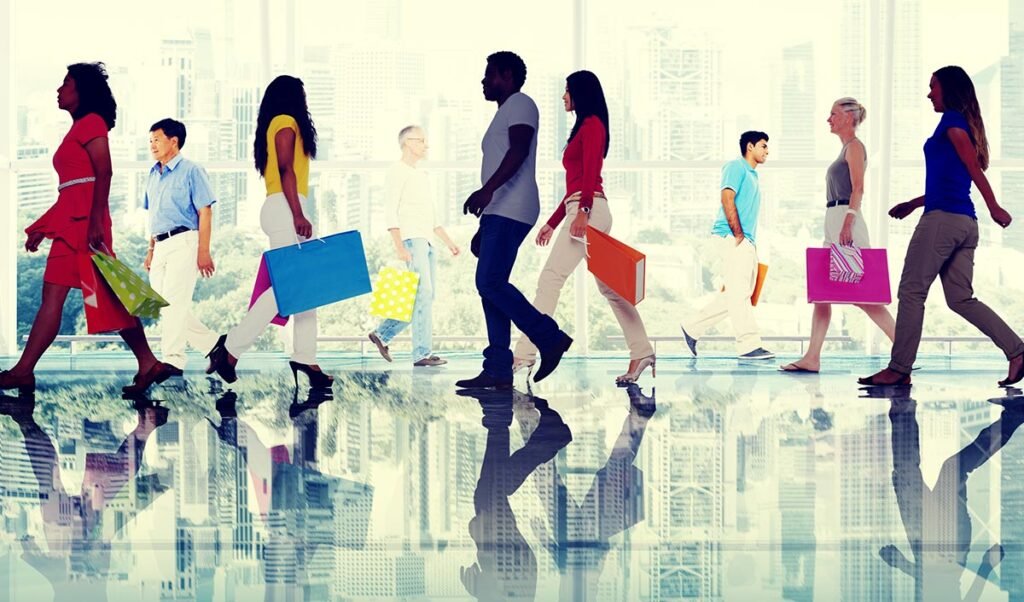
In the digital age, consumers are no longer passive participants. They actively shape fashion cycles by posting outfits, remixing trends, and influencing what gains visibility. This bottom-up approach challenges the authority of traditional fashion gatekeepers.
Street style, thrifted fashion, and personal expression now hold as much influence as designer collections. This shift has democratized fashion, allowing diverse voices and styles to gain recognition. However, it has also blurred the line between originality and repetition, as trends are quickly copied and reproduced across platforms.
Sustainability and the Need for Slower Fashion
The accelerated pace of fashion cycles has raised serious concerns about sustainability. Rapid trend turnover encourages disposable clothing habits, increasing waste and environmental impact. In response, there is growing interest in slow fashion, timeless design, and conscious consumption.
Digital tools can also support this shift. Online education, transparency through social media, and digital storytelling allow brands to communicate values beyond trends. Consumers are becoming more aware of fashion’s impact, pushing the industry to reconsider speed-driven models.
The Future of Fashion Cycles
Fashion cycles in the digital age are unlikely to slow down completely, but they are evolving. Rather than relying solely on trends, many brands and individuals are focusing on identity, versatility, and long-term value. Personal style is increasingly seen as an alternative to trend-chasing.
Ultimately, the evolution of fashion cycles reflects broader cultural changes. In a fast-moving digital world, fashion must balance immediacy with responsibility. The future of fashion lies not in endless acceleration, but in finding meaning, creativity, and sustainability within constant change.