



Sportswear fashion has evolved far beyond gym walls and running tracks. What was once designed purely for athletic performance is now a dominant force in global fashion. From high-end designer collaborations to everyday street style, sportswear has become a lifestyle statement that blends comfort, functionality, and trend-forward design.
The Rise of Athleisure
One of the biggest shifts in fashion over the past decade has been the rise of “athleisure” — clothing designed for workouts but styled for everyday wear. Leggings, joggers, hoodies, and sneakers are no longer limited to fitness routines. Today, they are worn to brunch, shopping trips, airports, and even casual workplaces.
The popularity of brands like Nike, Adidas, and Puma reflects this cultural shift. These companies have successfully merged performance technology with sleek designs, making sportswear both practical and stylish.

Consumers increasingly prioritize comfort without sacrificing appearance. Stretchable fabrics, breathable materials, and relaxed silhouettes offer freedom of movement while maintaining a polished look. This balance between comfort and fashion is what makes sportswear so appealing in modern wardrobes.
Influence of Celebrities and Social Media
Celebrities and influencers have played a major role in elevating sportswear fashion. Athletes and entertainers are often seen sporting trendy tracksuits, designer sneakers, and branded activewear sets, turning gym-ready outfits into red-carpet-worthy statements.
Collaborations between sports brands and fashion designers have further blurred the lines between athletic gear and luxury fashion. Limited-edition sneaker drops create excitement similar to high-fashion launches. Social media platforms amplify these trends instantly, making sportswear styles go viral within hours.
Street style photography also highlights how creatively people mix sportswear pieces with traditional fashion staples — pairing sneakers with tailored suits or styling hoodies under structured blazers.
Functionality Drives Innovation
At its core, sportswear remains rooted in performance. Innovations in fabric technology have transformed how clothing supports the body during physical activity. Moisture-wicking materials keep athletes dry, compression fabrics enhance muscle support, and lightweight textiles improve flexibility.
Sustainability has also become a growing focus. Many brands are introducing recycled materials and eco-friendly production processes. This shift responds to increasing consumer awareness about environmental impact. As a result, sportswear is not only stylish and functional but increasingly responsible.
Footwear is another key area of innovation. Running shoes, once designed solely for performance, are now everyday essentials. Sleek silhouettes and bold colorways make sneakers a centerpiece of many outfits, proving that practicality and fashion can coexist.
Sportswear in Everyday Life
Remote work and flexible lifestyles have further boosted sportswear’s popularity. With more people working from home or embracing hybrid schedules, formal attire has taken a backseat to comfortable, versatile clothing. Joggers, zip-up jackets, and performance tees have become daily staples.
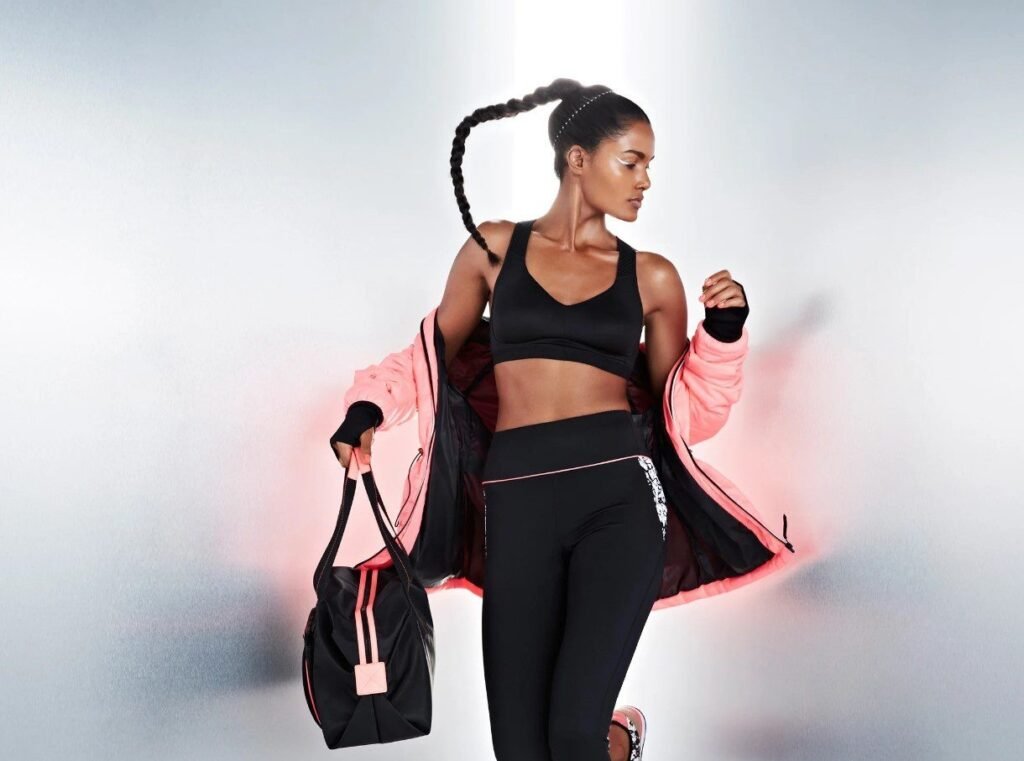
Travel fashion also reflects this trend. Sportswear offers convenience, comfort during long flights, and easy layering options. A coordinated tracksuit paired with stylish sneakers has become a go-to airport look.
Moreover, sportswear transcends age groups and genders. From teenagers to older adults, the appeal of comfortable yet trendy clothing is universal. Gender-neutral designs and inclusive sizing further expand its reach.
The Future of Sportswear Fashion
The future of sportswear fashion looks dynamic and innovative. Technology may soon integrate smart fabrics capable of monitoring heart rate, temperature, or posture. Fashion houses are likely to continue partnering with sports brands, pushing creative boundaries.
Sustainability will remain a major driver of change. Consumers are demanding transparency and eco-conscious practices, encouraging brands to rethink materials and manufacturing processes.
Another exciting development is the blending of cultural influences. Traditional patterns, regional aesthetics, and global street styles are increasingly incorporated into sportswear collections, reflecting fashion’s globalized nature.
Conclusion
Sportswear fashion is no longer just about exercise; it represents a lifestyle built on comfort, confidence, and versatility. By combining performance features with contemporary design, it has secured a permanent place in modern wardrobes.
Whether heading to the gym, running errands, or meeting friends, sportswear offers effortless style without compromising comfort. As innovation continues and trends evolve, one thing is certain — sportswear fashion is not just a passing trend but a powerful movement shaping the future of global style.