


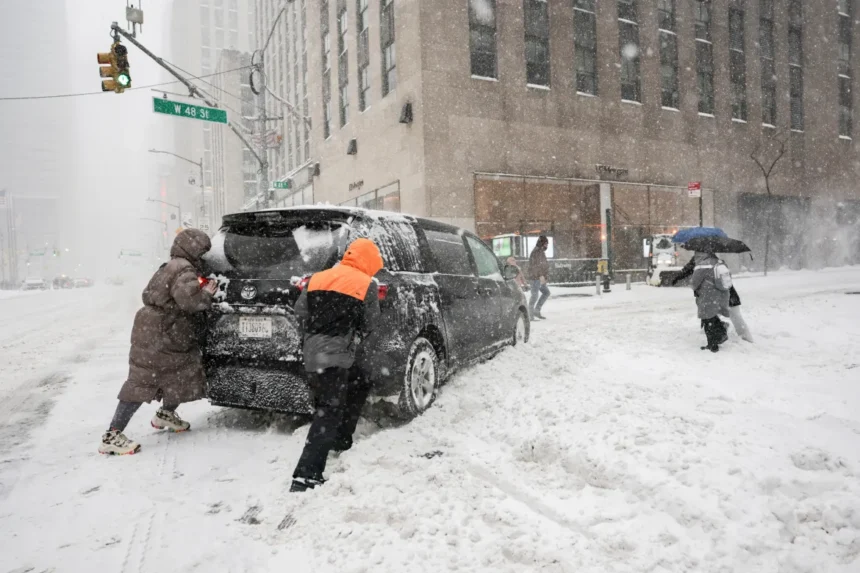
The United States is currently grappling with one of the most widespread and disruptive winter storms of the 2025–26 season. The system—often referred to by meteorologists as Winter Storm Fern—has brought heavy snow, freezing rain, ice, and dangerously cold temperatures across vast regions of the country, from the Southern Plains to the Northeast and beyond. Millions of Americans have been affected as authorities work to manage travel chaos, power outages, and public safety challenges.
❄️ Widespread Snow, Ice, and Extreme Cold
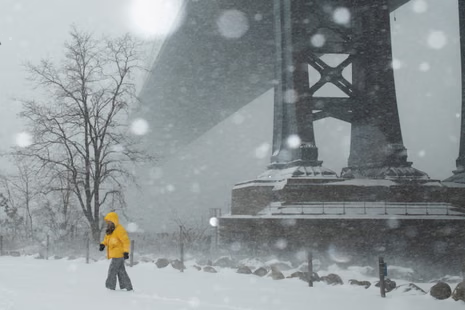
Winter Storm Fern developed and intensified as it moved eastward across the U.S., dropping significant snow and ice over many states. National Weather Service data shows snow accumulations exceeding 20 inches in parts of New England and up to 31 inches near Bonito Lake, New Mexico, while sleet and freezing rain coated roads from the South into the mid-Atlantic.
The storm’s impacts weren’t limited to snow alone. Freezing rain and ice caused treacherous driving conditions in many southern and central states, where ice accumulation can cause power lines and trees to break, resulting in prolonged outages and blocked roads.
Even as the bulk of the snowfall tapers off, bitter temperatures remain. Extended cold conditions—well below seasonal averages—continue to grip much of the country, prolonging hazards such as icy roadways, frozen pipes, and risks of hypothermia.
🚫 Travel Disruptions Across the Nation
The storm severely impacted transportation networks nationwide. Airport operations were among the hardest hit, with more than 10,000 flights canceled and many more delayed as snow, sleet, and wind disrupted schedules at major hubs. Flight cancellations reached their highest levels in years, making this one of the most chaotic winter travel periods since early in the COVID-19 pandemic.
Ground travel hasn’t fared much better. Snow-covered roads, icy highways, and slippery bridges have led to closures, crashes, and state authorities urging motorists to avoid nonessential travel until conditions improve.
⚡ Power Outages and Infrastructure Strain
In addition to travel chaos, the winter weather has strained power grids across multiple regions. Hundreds of thousands—or even more than a million—homes and businesses were without electricity at the peak of the storm as ice and snow brought down power lines and complicated repair efforts.
Utility crews are working around the clock in affected states such as Tennessee, Mississippi, Louisiana, and Texas to restore power, but the extreme cold and ongoing risk of ice build-up have slowed progress.
💔 Rising Death Toll and Public Safety Concerns
Perhaps the most sobering impact of the storm has been the human toll. As of the latest reports, dozens of deaths have been linked to the storm and the resulting cold conditions, with fatalities resulting from exposure, traffic accidents, and activities tied to snow removal. Emergency responders warn that the true toll could rise as additional incidents are investigated.
Public health officials continue to emphasize that extreme cold presents serious risks, particularly for vulnerable populations such as the elderly, people experiencing homelessness, and anyone without access to adequate heating.
🚨 Ongoing Alerts and Safety Measures
With extreme cold and residual snowfall expected to linger in some areas, weather services and government agencies have maintained warnings and advisories. Residents in affected regions are being urged to monitor local conditions, stay indoors when possible, and prepare for ongoing winter hazards.
Shelters and warming centers have been activated in many urban areas to protect those at risk from the cold, and emergency management teams are coordinating responses to ensure help reaches those who need it most.
📌 Final Thoughts
Winter Storm Fern has been a stark reminder of the power of nature and the challenges that severe weather poses to modern infrastructure and everyday life. From historic snow totals and dangerous ice to travel disruptions and human impacts, this storm has tested preparedness and resilience across communities nationwide.
As cleanup efforts continue and temperatures remain frigid, it’s clear that the effects of this storm will be felt for days—even weeks—to come.