


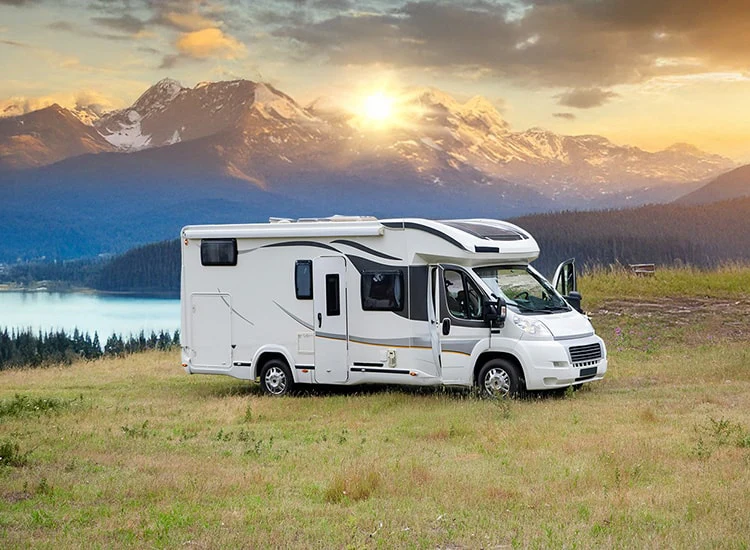
RV life is more than a way to travel—it’s a lifestyle built around freedom, simplicity, and adventure. For some, living in an RV is a temporary escape from routine, while for others it becomes a full-time way of life. With home always just a few steps away, RV living offers a unique blend of comfort and exploration that continues to attract travelers, retirees, and remote workers alike.
What Is RV Life?
RV life involves living and traveling in a recreational vehicle, whether it’s a motorhome, camper van, or travel trailer. Some RVers take short road trips, while others commit to full-time RV living, moving from destination to destination throughout the year. RVs provide essential amenities—sleeping areas, kitchens, bathrooms, and storage—making it possible to live comfortably while constantly changing scenery.
This lifestyle allows people to experience national parks, coastal highways, small towns, and remote landscapes without being tied to a single location. For many, the road becomes both a home and a teacher.
The Freedom of the Open Road
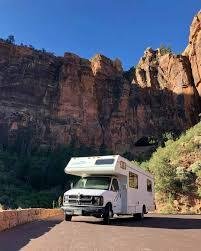
One of the biggest draws of RV life is freedom. RVers can change plans on a whim, stay longer in places they love, and avoid crowded tourist seasons by traveling off-peak. There’s no strict itinerary unless you want one. Each day offers the choice to explore a new destination or simply enjoy a quiet morning surrounded by nature.
RV life also encourages a slower pace. Without the constant rush of everyday life, people often find time for reflection, outdoor activities, and meaningful connections. Sunrises in the mountains, evenings by a campfire, and spontaneous roadside discoveries become part of daily life.
Simplifying Life on Wheels
Living in an RV requires downsizing, which can be both challenging and freeing. Limited space forces RVers to prioritize what they truly need, letting go of excess possessions. Many find that this simplicity leads to less stress and a greater focus on experiences rather than material things.
Daily routines in RV life are different as well. Tasks like managing water, electricity, and waste require awareness and responsibility. While these chores take adjustment, they often create a stronger appreciation for resources and a more sustainable lifestyle.
Challenges of RV Living
Despite its appeal, RV life is not without challenges. Mechanical issues, weather conditions, and campground availability can disrupt plans. Internet connectivity and cell service may be unreliable, which can be difficult for those working remotely.
There’s also the emotional side of RV living. Being away from family and friends for long periods can be tough, and constant travel may lead to fatigue. Successful RVers learn to balance movement with rest, and adventure with routine.
Who Is RV Life For?
RV life suits people who value flexibility, independence, and exploration. It appeals to retirees seeking adventure, families homeschooling on the road, and digital nomads looking to combine work and travel. While it’s not for everyone, those who embrace RV life often find it deeply rewarding.
Why RV Life Matters
RV life represents a shift away from traditional living toward intentional freedom. It encourages people to redefine success, slow down, and reconnect with nature. Whether for a few months or many years, RV life offers a chance to experience the world in a way that feels personal, present, and profoundly liberating.